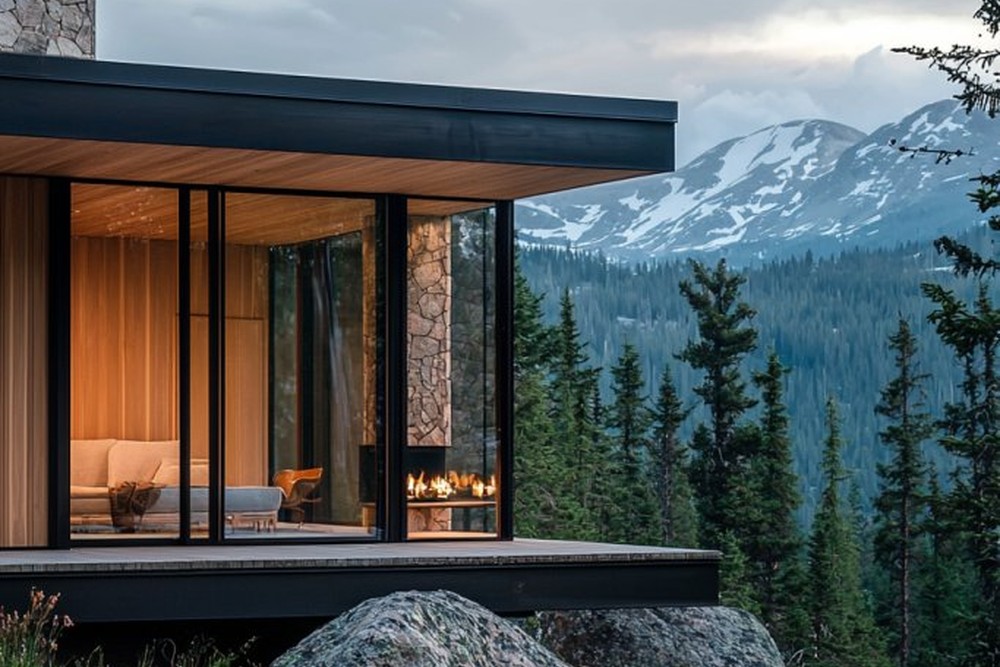
Modern cabin design transforms natural surroundings into breathtaking living spaces that balance comfort, sustainability, and style. These 24 ideas prove that embracing nature inside your home creates the most powerful and restorative interiors of all.
Modern cabins have moved far beyond the rustic log structures of the past. Today’s cabin interiors combine clean architecture, natural materials, and intentional styling to create spaces that feel both grounded and elevated.
Designers now prioritize the relationship between interior spaces and the landscape outside. Large windows, open floor plans, and raw textures like stone and reclaimed timber bring the outdoors directly into your living room.
Colour palettes draw from nature itself, featuring warm taupes, deep forest greens, slate greys, and rich wood tones. These choices make every cabin interior feel calm, cohesive, and deeply connected to its setting.
1. Clean Lines, Mountain Calm
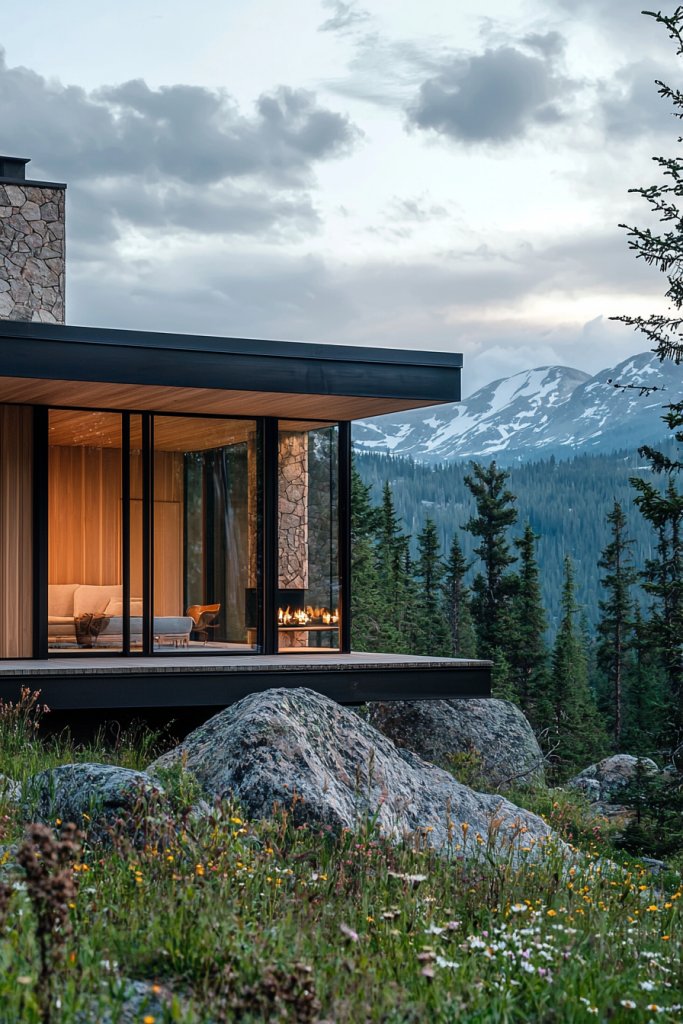
A minimalist mountain cabin uses clean architectural lines and a restrained colour palette to create immediate visual calm. Natural stone flooring, pale wood panelling, and uncluttered surfaces make the surrounding peaks the true focal point of every room.
Keep furniture low-profile and choose pieces in neutral linen or warm wool to complement the natural tones already present in the space. A single large window seat gives you a dedicated spot to absorb the landscape without adding visual noise to the room.
2. Glass Walls, Forest Living
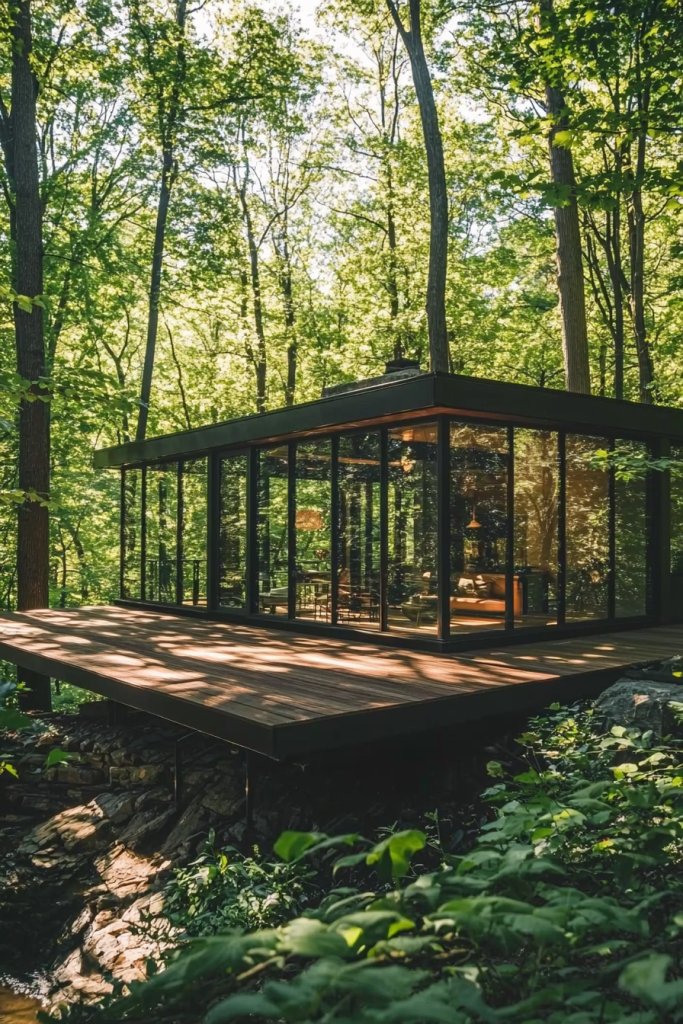
A glass-walled forest cabin dissolves the boundary between interior comfort and outdoor wilderness through floor-to-ceiling glazing on every main wall. The surrounding tree canopy becomes living wallpaper, shifting colour and light with every season and hour of the day.
Pair the expansive glass walls with a minimalist interior featuring sustainable wood furniture and stone accent walls to avoid competing with the view outside. Choose warm pendant lighting over harsh overhead fixtures to keep the cabin feeling cozy once the forest darkens at night.
3. Sustainable Timber, Natural Beauty
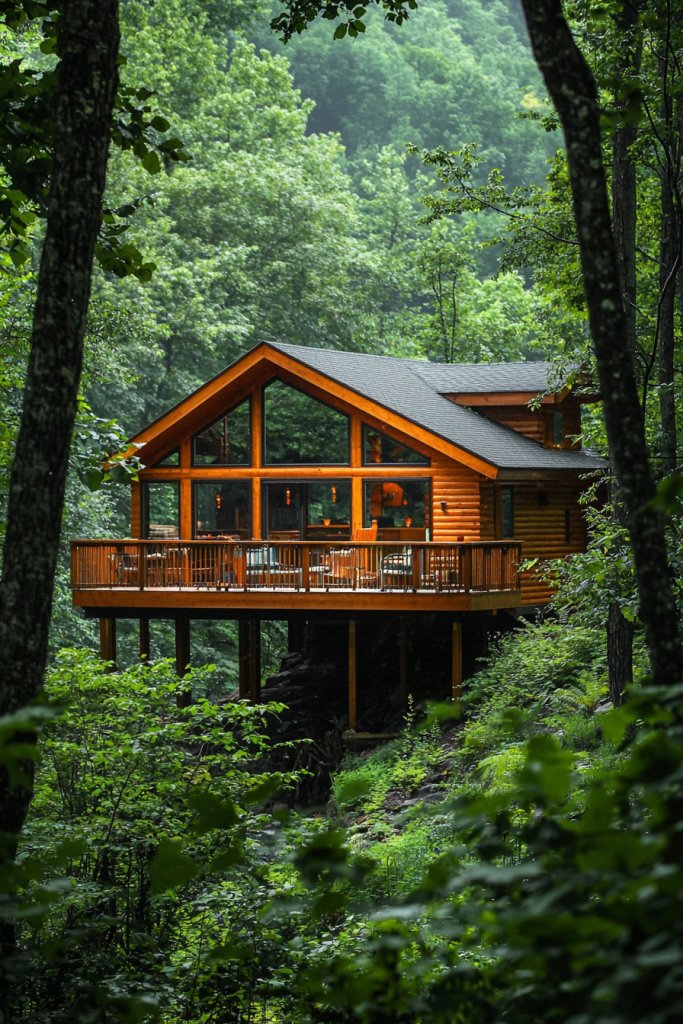
An eco-friendly timber lodge brings reclaimed wood into every corner, from exposed ceiling beams to hand-finished wall cladding that fills the room with warmth. The natural grain and texture of sustainably sourced timber gives each wall and floor surface a richly tactile, one-of-a-kind quality.
Source furniture crafted from FSC-certified wood and pair it with natural fibre textiles like jute, organic cotton, and wool to reinforce the lodge’s sustainable interior story. Add potted ferns and trailing indoor plants on wooden shelving to soften the space and strengthen the connection to the forest outside.
4. Rustic Lake House Warmth
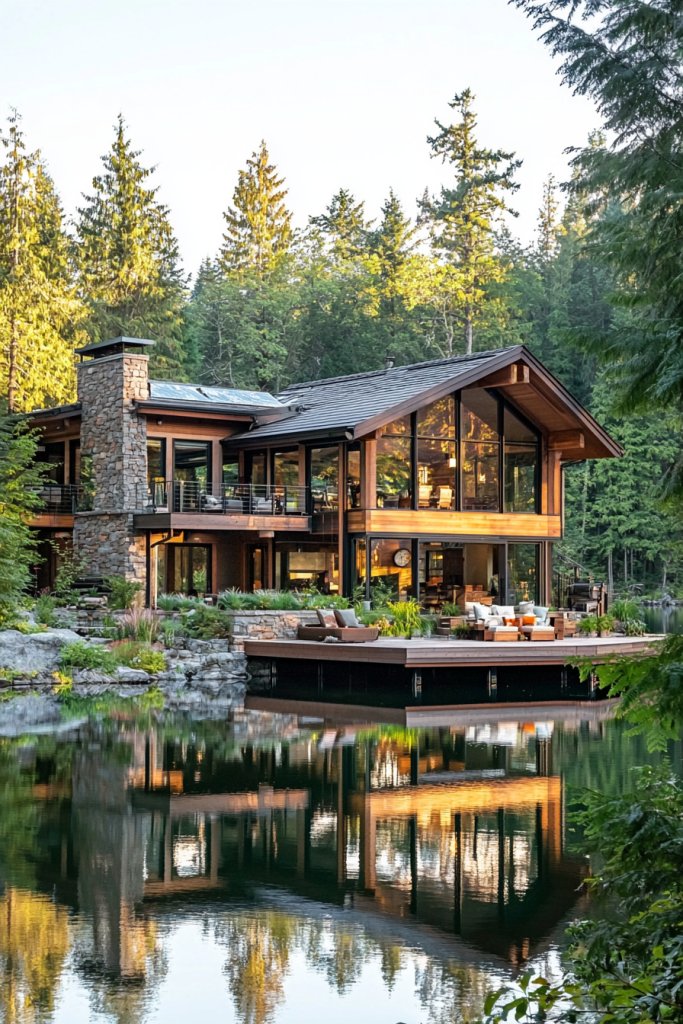
A rustic chic lake house layers weathered wood, soft linen upholstery, and vintage-inspired accessories to build an interior that feels genuinely lived-in and warm. The lake view anchors every design choice, with furniture arranged to face the water through wide, uncurtained windows.
Use a palette of soft whites, sandy beiges, and driftwood greys throughout the main living areas to reflect the natural tones of the shoreline just outside. Woven rattan chairs, reclaimed timber coffee tables, and linen throw pillows create effortless lakeside style without the room feeling overly decorated.
5. Scandinavian Simplicity, Cozy Interiors
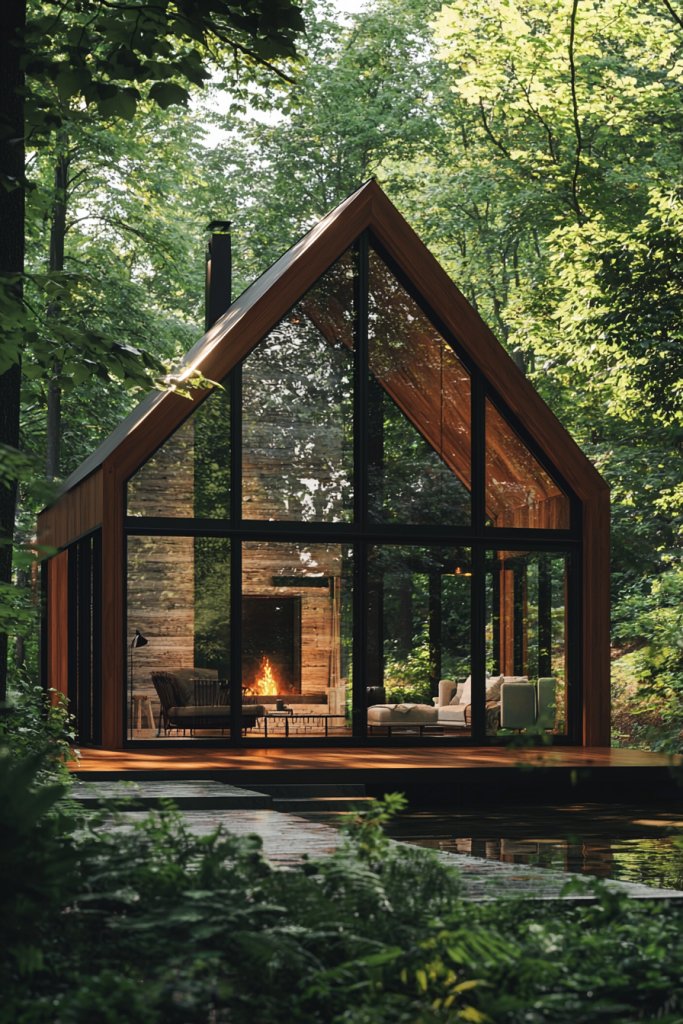
A Scandinavian-inspired cabin getaway combines functional furniture, pale wood surfaces, and a stripped-back colour palette to create interiors that feel airy and intentional. White walls, natural pine floors, and simple black metal fixtures give every room a clean, quietly sophisticated character.
Layer the space with chunky knit throws, sheepskin rugs, and candles grouped on low timber surfaces to introduce the hygge warmth that defines Scandinavian interior styling. Stick to a palette of white, oat, charcoal, and natural wood tones to maintain visual harmony across every connected room.
6. Off-Grid, Bold Interior Design
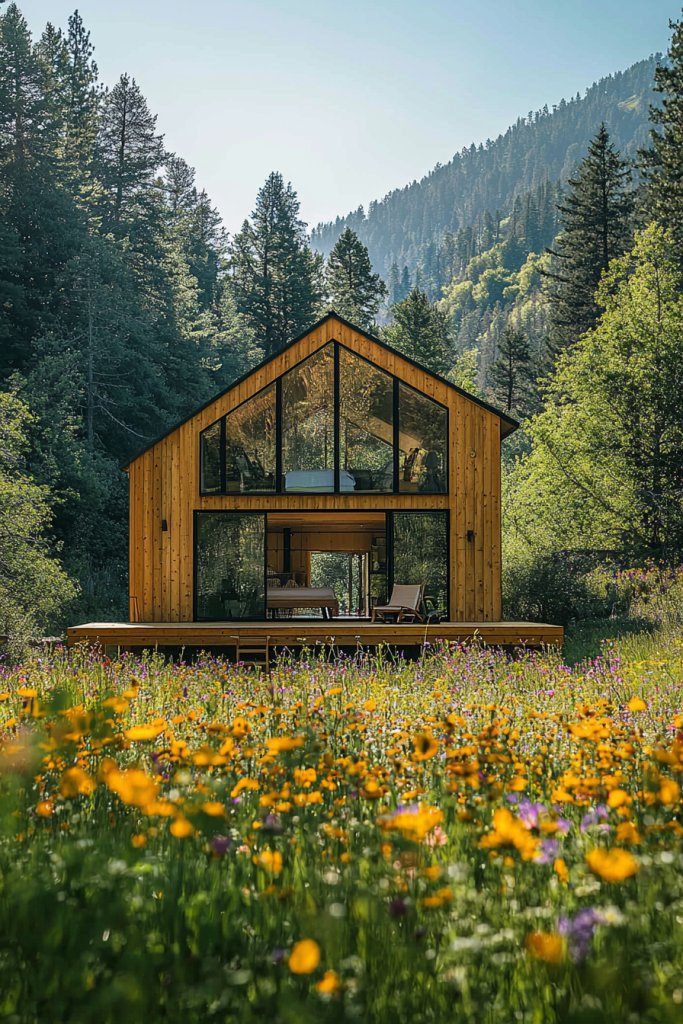
An off-grid modern cabin proves that living without mains utilities demands absolutely no compromise on interior style or comfort. Solar-powered lighting, composting systems, and rainwater collection integrate invisibly into a thoughtfully designed space that prioritises both beauty and self-sufficiency.
Choose multi-functional furniture pieces like storage ottomans, fold-down dining tables, and built-in window benches with hidden compartments to maximise every square metre of interior space. Use warm amber lighting from LED fixtures throughout the cabin to create an inviting glow that feels far from anything utilitarian or compromised.
7. Open Woodland, Flowing Spaces
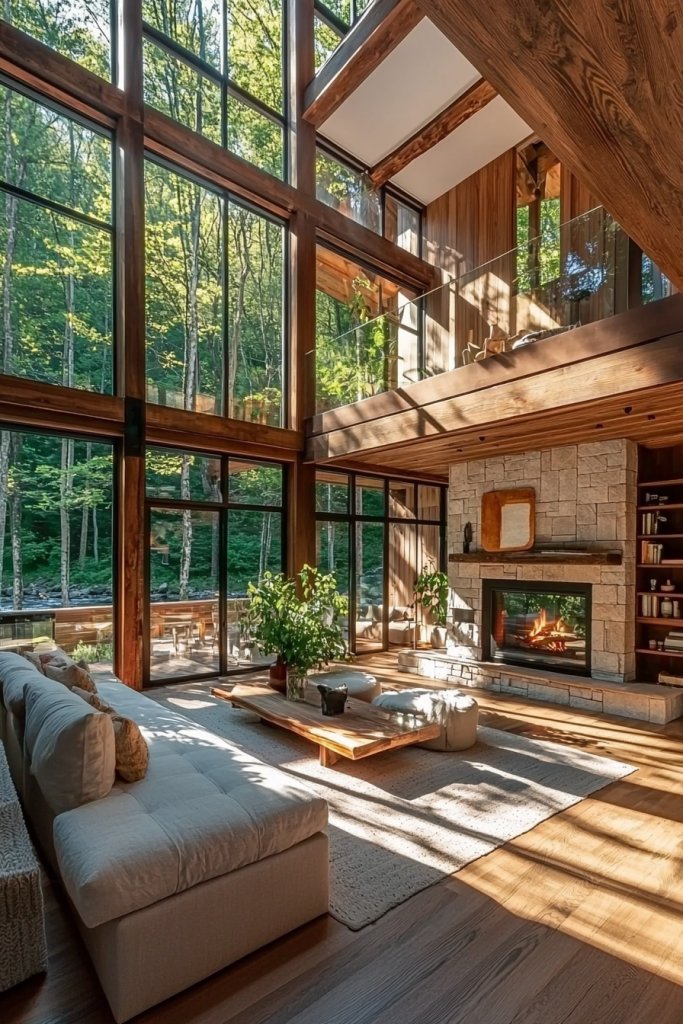
An open-concept woodland hideaway removes interior walls to create one continuous living space where cooking, dining, and relaxing all share the same beautiful, tree-framed environment. Exposed timber ceiling joists, concrete floors, and large sliding glass doors reinforce the raw, organic character of the woodland setting outside.
Arrange furniture in loose, conversational groupings rather than pushing everything against the walls, which helps define zones within the open plan without disrupting the sense of spacious flow. A large natural stone fireplace at one end of the room anchors the entire interior and creates an irresistible focal point for the space.
8. Urban Cabin, Rooftop Greenery
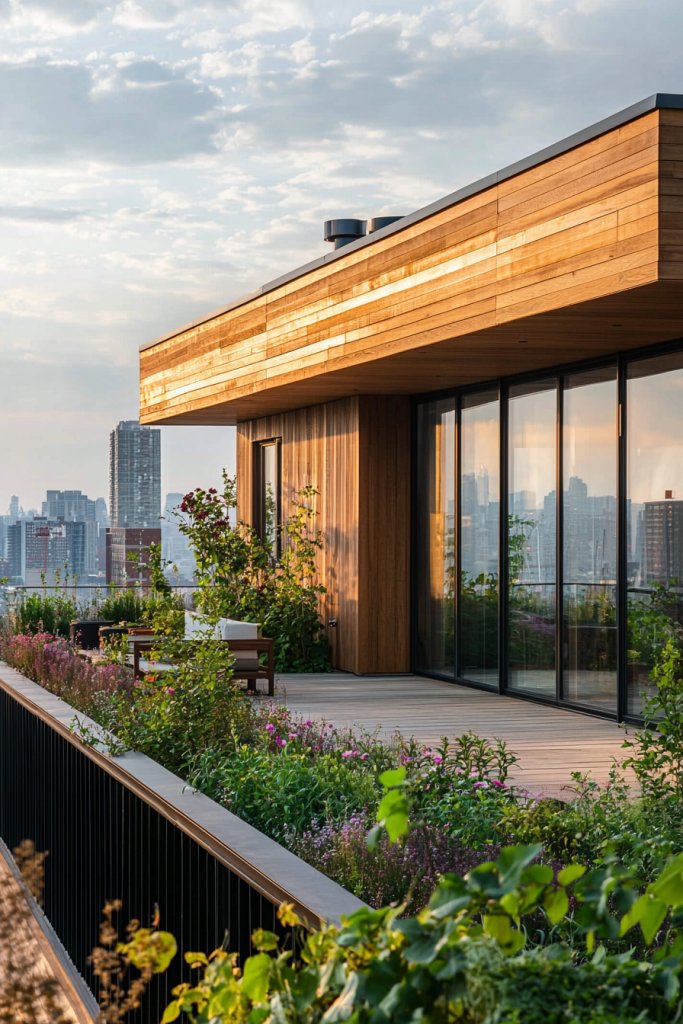
An urban cabin with a rooftop garden brings the restorative qualities of nature directly into a city setting through clever vertical and overhead planting. Inside, the cabin uses exposed brick walls, reclaimed timber shelving, and indoor plants to reinforce the green theme established on the rooftop above.
Paint interior walls in deep botanical greens or warm terracotta to echo the rooftop planting palette and create a cohesive journey between the interior and outdoor spaces. Install skylights wherever possible so natural light floods the cabin rooms below, blurring the line between the indoor living space and the garden overhead.
9. A-Frame Cozy Cabin Style
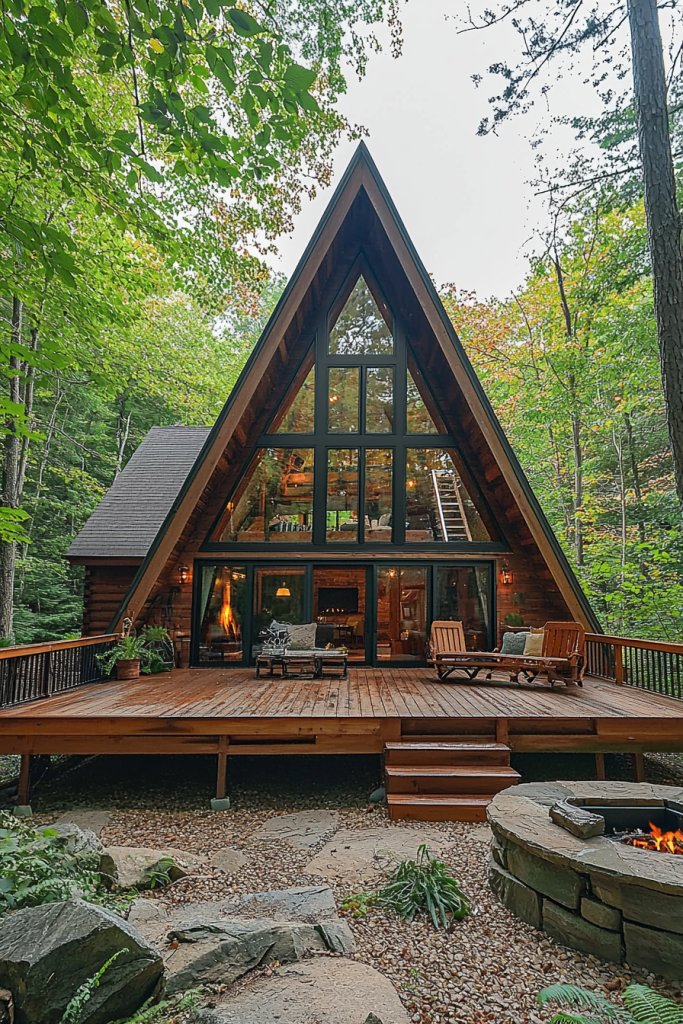
A cozy A-frame retreat uses its dramatic triangular architecture to create an interior that feels simultaneously intimate and surprisingly spacious at the same time. The steeply angled timber walls draw the eye upward, making the main living area feel tall and open despite a relatively compact footprint overall.
Furnish the ground floor with low, plush seating in warm earth tones to complement the natural wood of the angled ceiling walls surrounding the space. Use the triangular gable end as a full-height window to flood the interior with natural light and frame an uninterrupted view of the landscape beyond.
10. Green Roof, Living Exterior
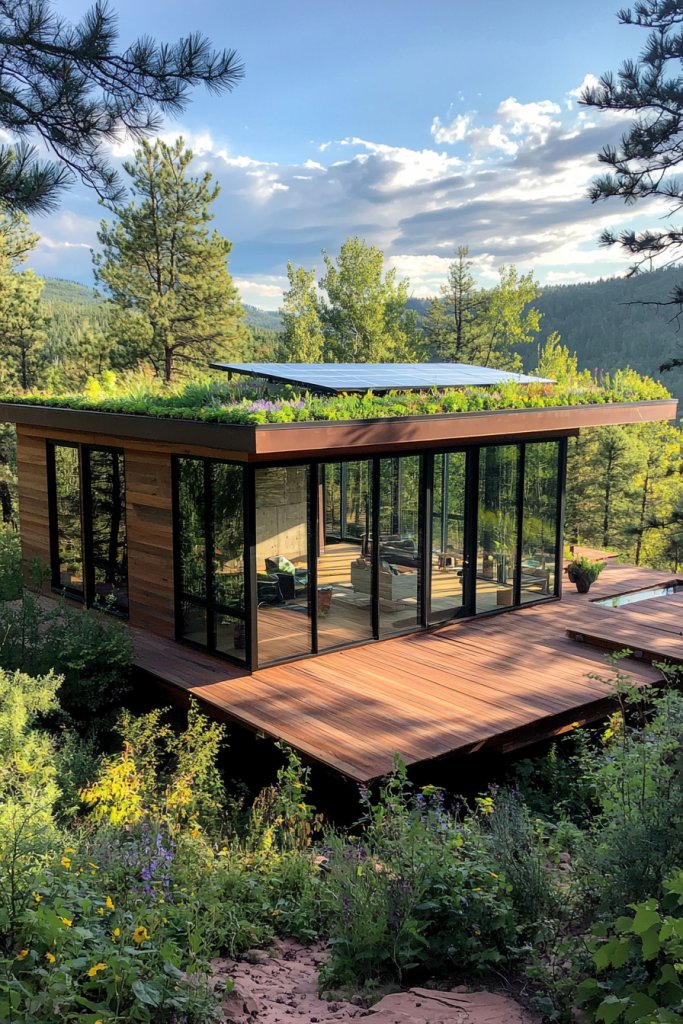
A sustainable cabin with a green roof takes the idea of nature-embraced design to its most literal and visually striking architectural expression. Inside, the cabin mirrors the organic rooftop with natural material finishes including rammed earth walls, stone flooring, and hand-finished plaster ceiling surfaces.
Choose a muted interior colour palette of sage, clay, and warm white to complement the living greens growing directly above the cabin’s main living spaces. Add botanical prints, dried grasses in ceramic vases, and linen curtains throughout the interior to reinforce the connection to the natural living roof above.
11. Family Lodge, Nature Inside
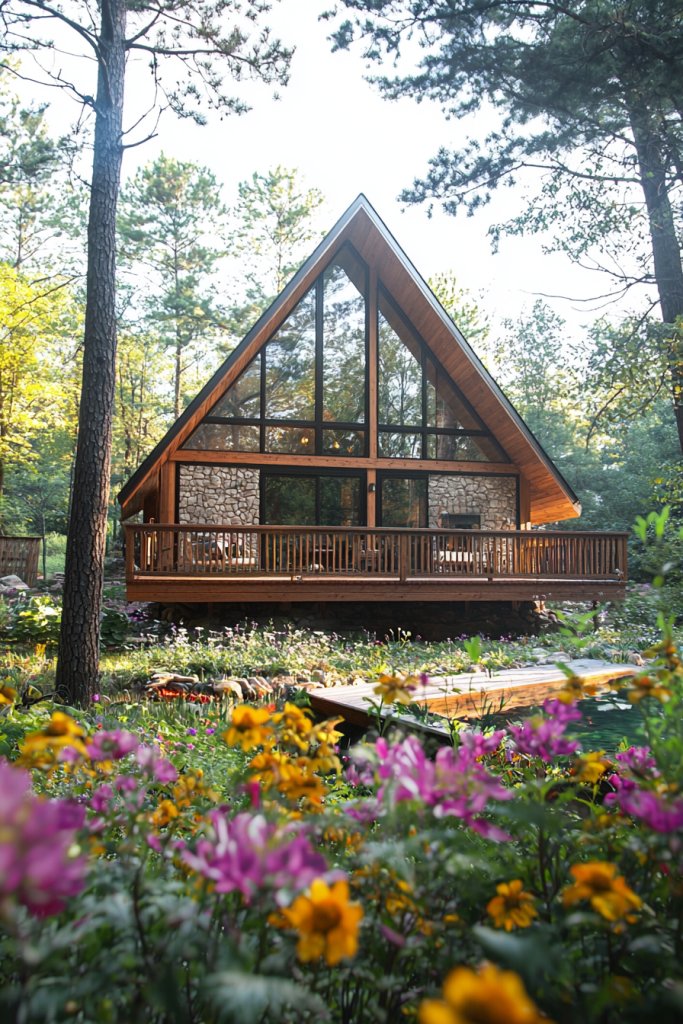
A nature-infused family lodge creates interior spaces generous enough for group living while keeping a strong visual connection to the natural landscape surrounding the building. Durable oak flooring, stone feature walls, and oversized sofas upholstered in performance fabrics handle family life without sacrificing the beauty of the space.
Incorporate a large communal dining table crafted from solid reclaimed timber as the central furniture piece around which all family interior life naturally gathers. Use open timber shelving along main living walls to display natural objects, books, and plants, turning everyday storage into a genuinely decorative interior feature.
12. Barn Style, Modern Interiors
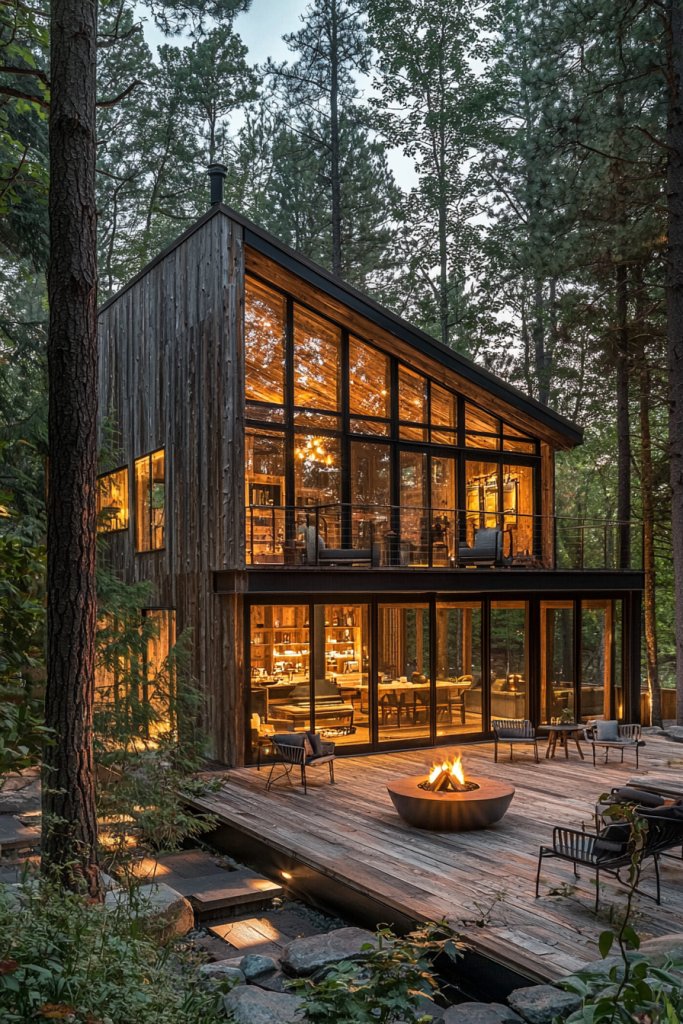
A contemporary barn-style cabin uses soaring double-height ceilings, exposed steel beams, and wide-plank timber floors to create interiors with dramatic architectural presence. The generous ceiling height allows oversized pendant lights and statement artwork to occupy the vertical space in a way that smaller cabins simply cannot achieve.
Contrast the raw industrial elements of the barn structure with soft furnishings in warm caramel leather, chunky wool, and natural linen to balance the space and add residential warmth. Paint any remaining interior walls in deep charcoal or warm black to accentuate the exposed structural beams and amplify the barn aesthetic throughout.
13. Streamside Cottage, Calm Interiors
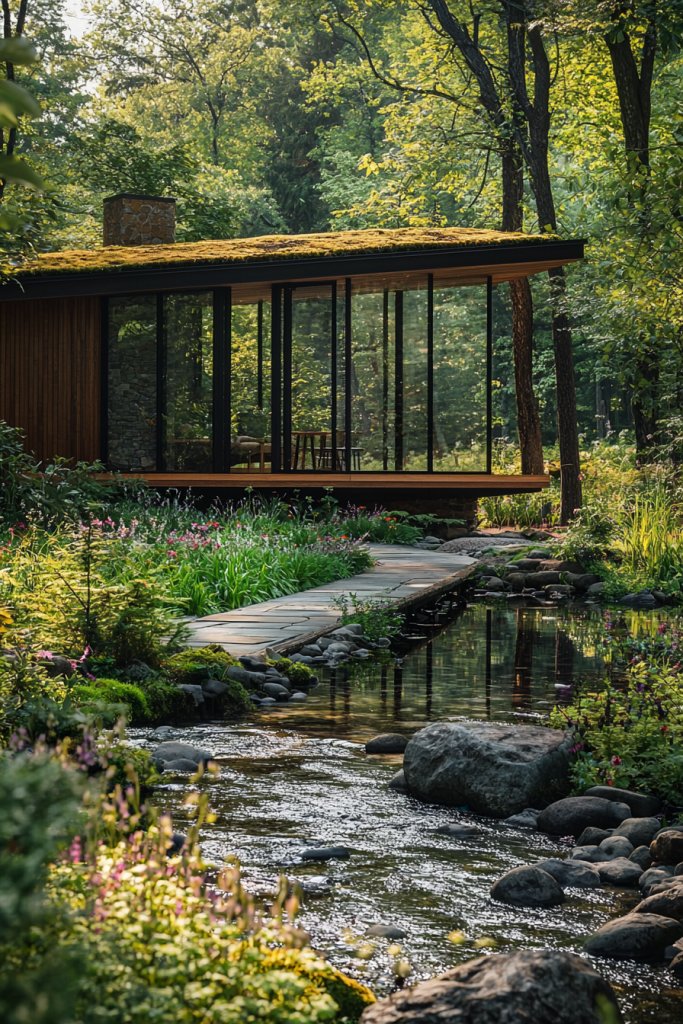
A serene streamside cottage places the sound and sight of moving water at the heart of every interior design decision made throughout the space. Soft blue-grey walls, bleached timber floors, and sheer linen curtains create an interior that feels as calm and clear as the stream running directly alongside the building.
Position the main seating area to face the stream through wide, unobstructed windows and keep window treatments minimal so nothing interrupts the moving water view. Use natural pebbles, driftwood pieces, and stone vessels as decorative accents on shelves and surfaces to weave the streamside landscape into the interior styling.
14. Beachfront Retreat, Coastal Elegance
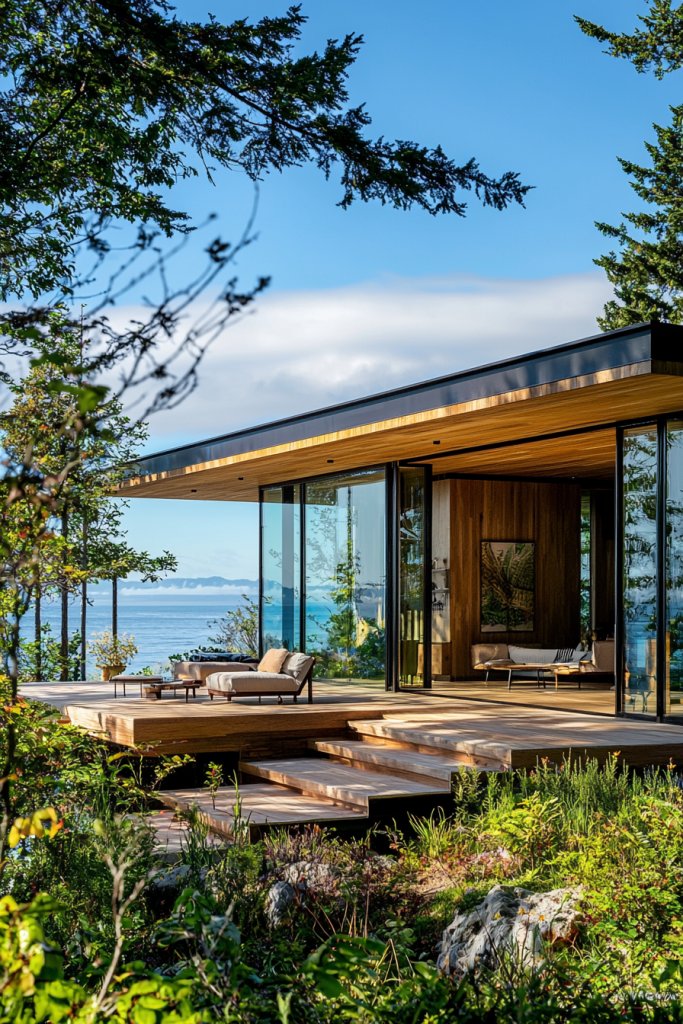
An elegant beachfront retreat uses a refined coastal palette of warm white, soft sand, and sea glass blue to create interiors that feel both luxurious and effortlessly relaxed. Linen upholstery, bleached oak furniture, and artisan ceramic accessories give every room a quietly elevated, resort-quality character throughout.
Install wide sliding glass doors along the entire ocean-facing wall to blur the interior boundary and make the beach itself feel like an extension of the living room. Choose furniture with low profiles and soft curved edges to complement the gentle, unhurried mood that a beachfront interior should always communicate to its occupants.
15. Modular Cabin, Flexible Layout
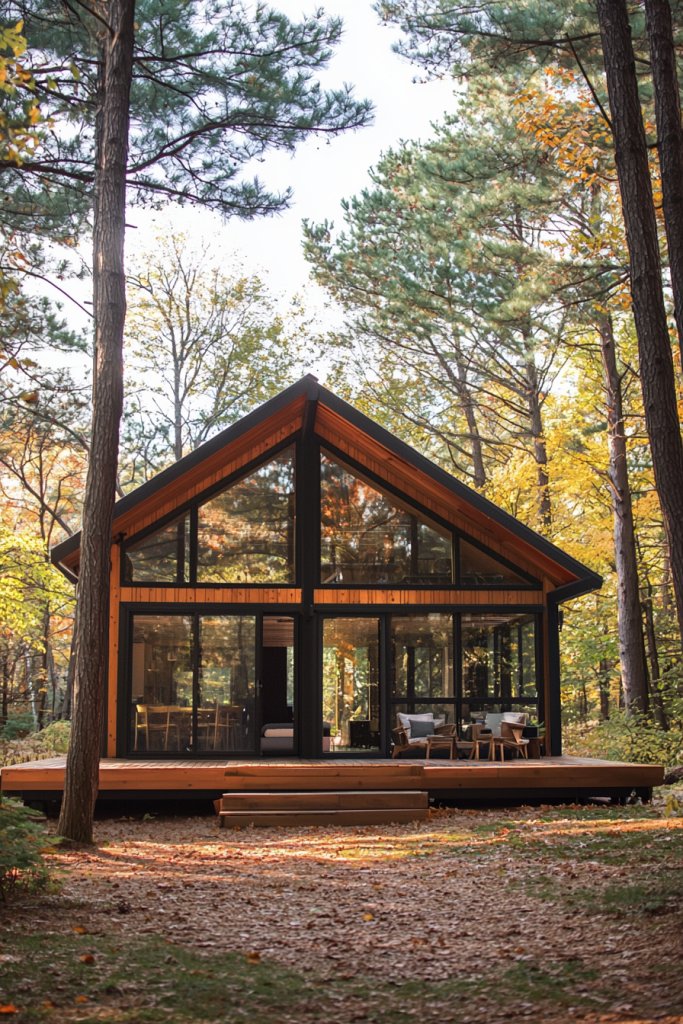
A modular cabin with an expandable design uses a flexible interior layout that grows and adapts as the needs of its occupants change over time. Each module features the same warm timber cladding, concrete floors, and large windows so every addition feels visually unified with the original structure throughout.
Use movable partition walls and freestanding modular shelving units to redefine interior zones as the cabin expands, keeping the layout feeling intentional rather than improvised. Stick to a consistent material palette of natural timber, white plaster, and dark steel across every module so the interior reads as one cohesive, designed home.
16. Writer’s Cabin, Creative Retreat
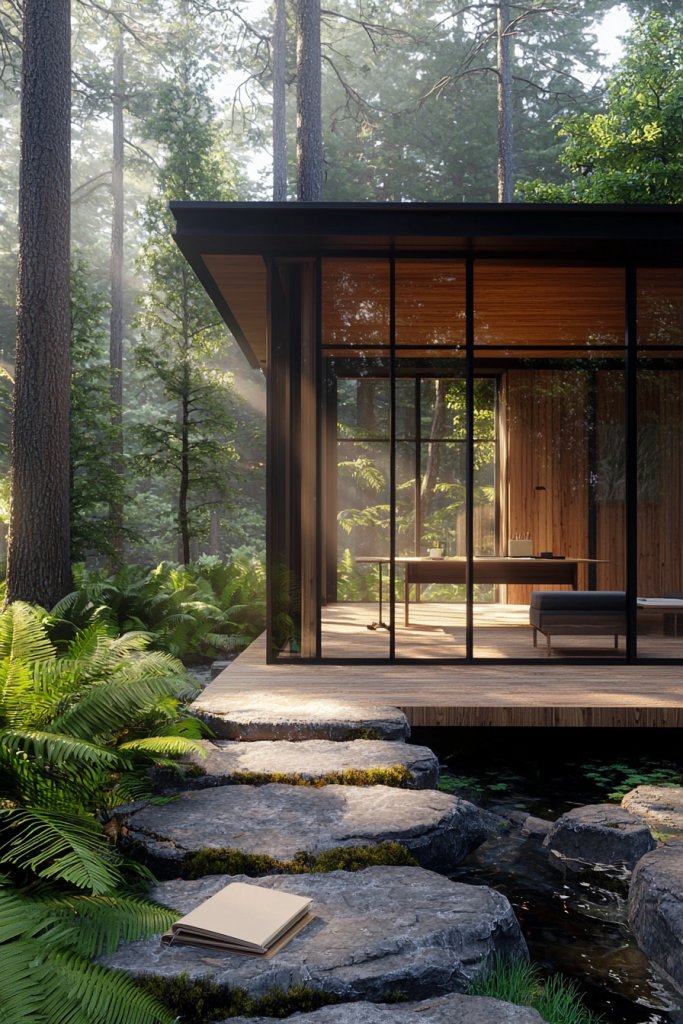
An intimate writer’s cabin focuses the entire interior design around one beautifully positioned desk facing a window that looks directly into untouched natural landscape. Dark timber wall panelling, built-in bookshelves floor to ceiling, and a leather reading chair create a space that immediately inspires deep focus and creative thought.
Keep the overall interior palette dark and enveloping using charcoal, forest green, or deep walnut tones to create a cocooning atmosphere that encourages long, uninterrupted periods of concentration. Layer the desk area with warm task lighting, a single potted plant, and a curated selection of objects that inspire the creative work done daily there.
17. Spa Retreat, Luxe Natural Finishes
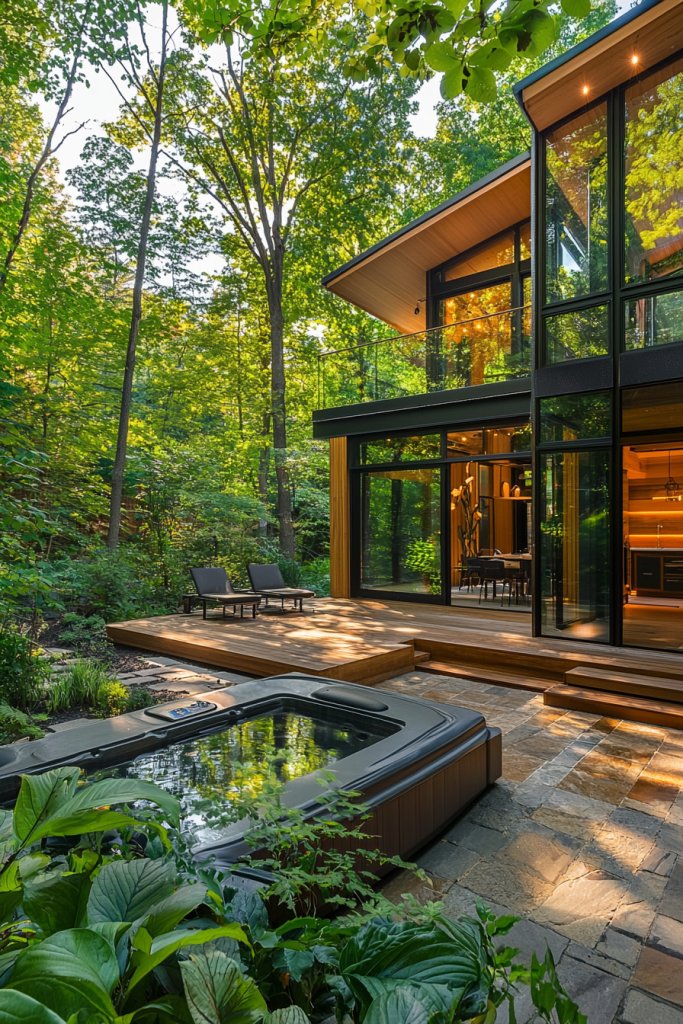
A luxurious spa-inspired cabin retreat uses natural stone, warm timber, and deep soaking tubs to create interior spaces that prioritise sensory pleasure and deep relaxation. Honed travertine walls, teak bathing platforms, and soft candlelight transform even the smallest cabin bathroom into a genuinely restorative sanctuary space.
Choose a palette of warm stone, cream, and pale timber throughout every room to create a seamless visual flow between the spa bathroom and the surrounding living spaces. Hang large natural linen panels instead of curtains, and use matte ceramic vessels filled with eucalyptus or dried botanicals to strengthen the spa atmosphere throughout.
18. Tiny Woodland House, Smart Design
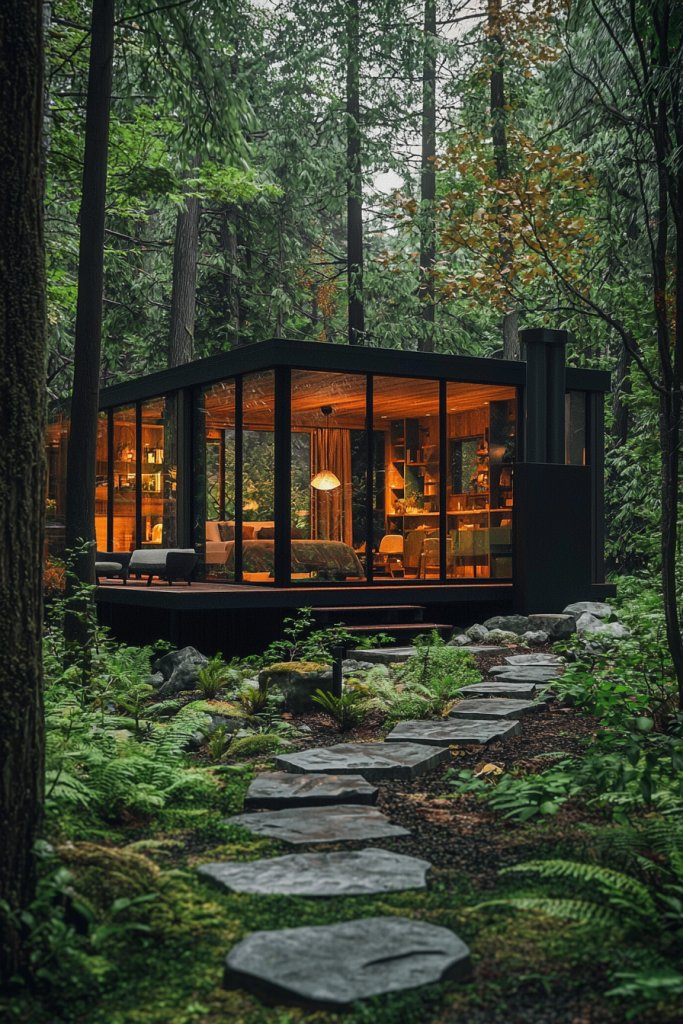
A compact tiny house in the woods uses every interior centimetre with precision, combining built-in storage, fold-away furniture, and multi-purpose surfaces into one beautifully resolved small space. Pale birch plywood covers the walls and ceiling continuously, making the interior feel light, warm, and significantly larger than its actual footprint suggests.
Install a full-height window wall on the forest-facing side of the tiny house to bring the woodland interior and exterior together into one continuous visual experience. Use mirrors strategically on interior side walls to reflect the trees outside and amplify the sense of space within the compact living area throughout.
19. Artistic Cabin, Striking Facade
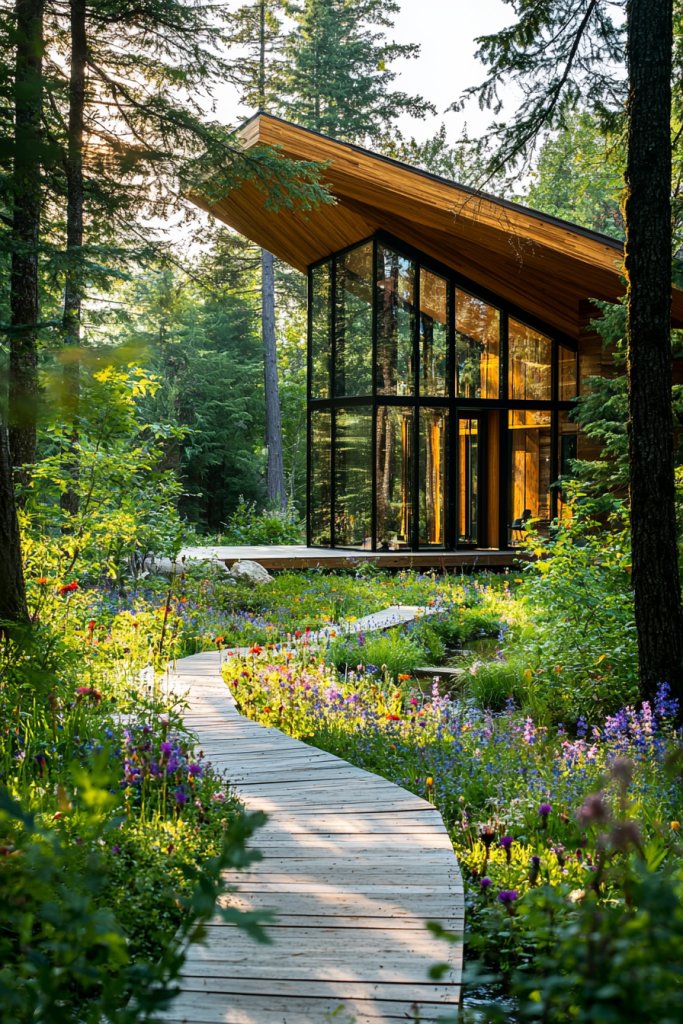
An artistic cabin with a unique facade uses bold exterior cladding choices to signal that the interior will be equally expressive, individual, and visually rewarding to experience. Inside, the design continues with custom-painted accent walls, handmade ceramic light fixtures, and locally commissioned artwork that tells a specific story about the surrounding place.
Choose one interior wall as a full-height artistic focal point and commission a mural or large-scale artwork in colours drawn directly from the natural landscape outside the windows. Pair the artistic statement wall with simple, understated furniture in natural materials so the artwork remains the dominant and undisputed centrepiece of the room.
20. Multi-Gen Cabin, Shared Spaces
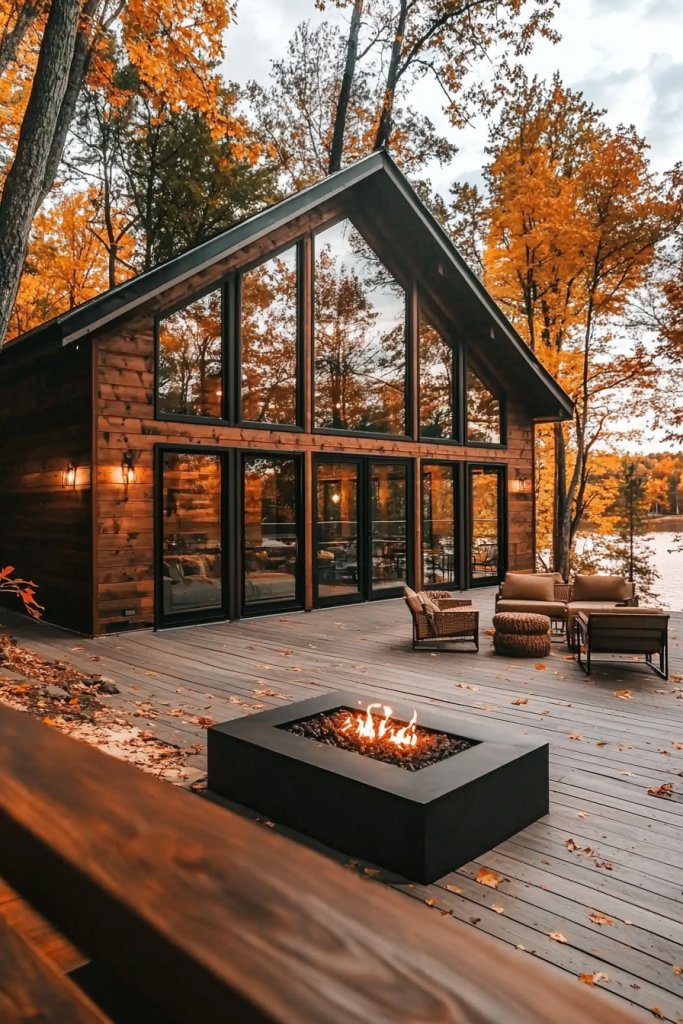
A multi-generational family cabin designs its interior around the idea that different generations need both shared communal spaces and private, self-contained retreats within the same building. The main open living area uses generous seating, a long communal dining table, and a double-sided fireplace to bring every generation comfortably together.
Design each private suite with its own distinct colour palette and furniture selection so every family member experiences a personalised interior environment within the shared cabin structure. Use wide connecting corridors with built-in seating, bookshelves, and artwork to make the transitional spaces between suites feel like genuine interior rooms rather than simple hallways.
21. Zen Meditation, Calm Interiors
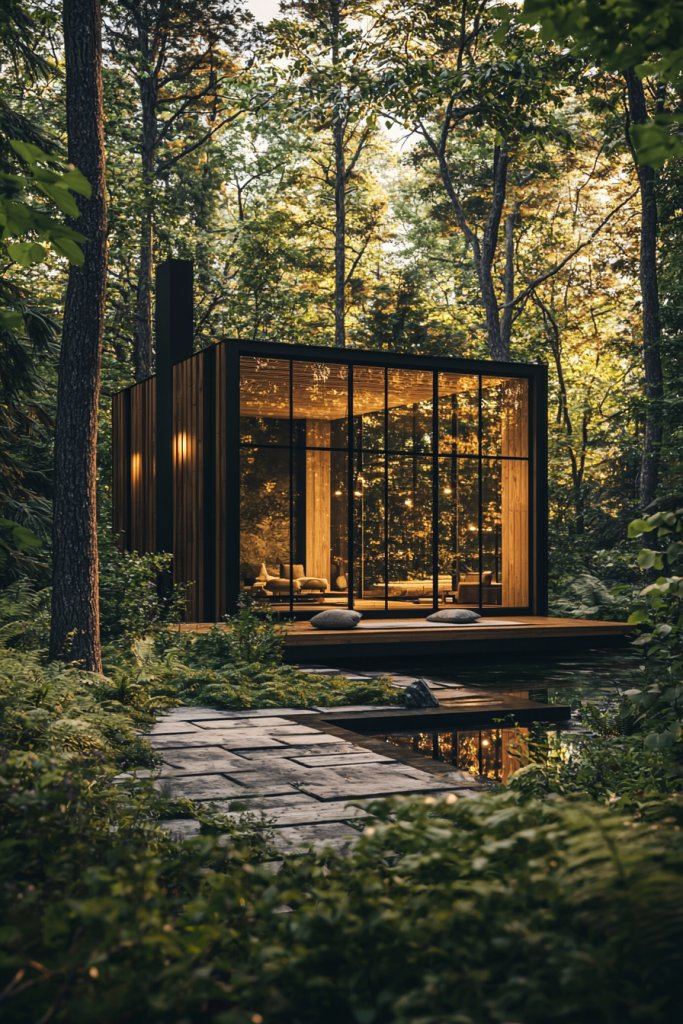
A zen-inspired meditation retreat strips the interior back to only the elements that actively support stillness, breathing space, and mindful presence throughout the day. Smooth plaster walls in warm white, natural tatami-style floor mats, and a single low altar table create a room that communicates absolute interior calm.
Remove all unnecessary furniture and decorative objects from the meditation space and allow one carefully chosen natural element, such as a smooth river stone or a single branch, to serve as the room’s sole decorative focal point. Use blackout roller blinds alongside sheer inner panels so you can control the quality and intensity of natural light entering the meditation space at will.
22. Treehouse Cabin, Elevated Design
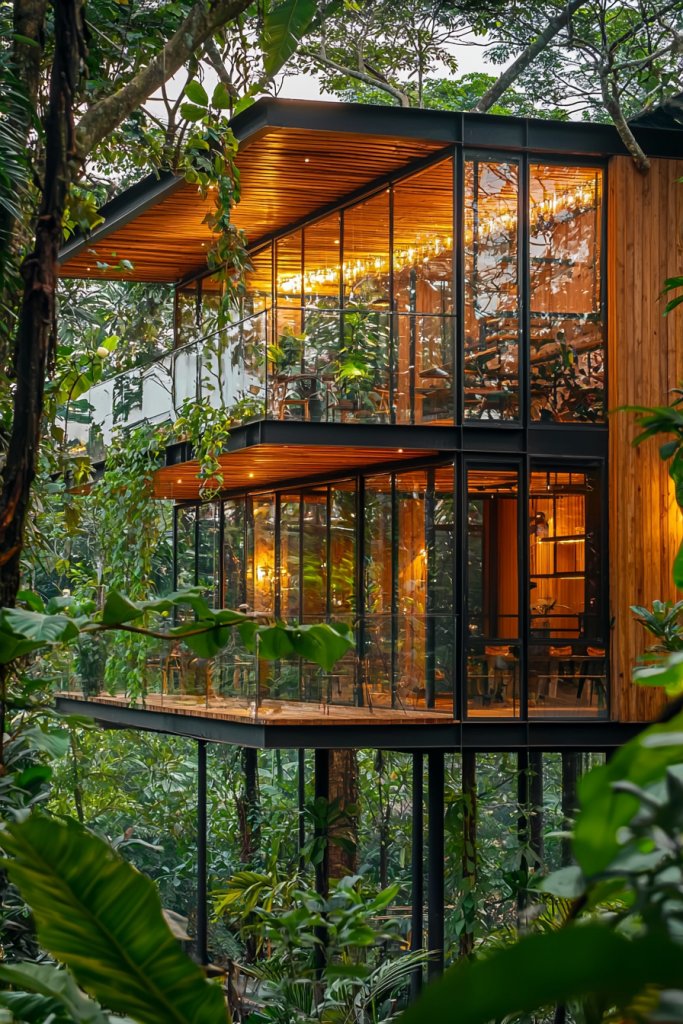
An elevated treehouse cabin positions its interior rooms among the upper branches of mature trees, making the canopy itself the most extraordinary design feature in every room. Curved timber walls that follow the natural form of surrounding trunks, rope railings, and organic wood furniture reinforce the treehouse’s immersive relationship with the living forest.
Choose interior colours that mirror the forest canopy directly outside, using deep moss green, bark brown, and warm amber to make the interior and exterior feel visually continuous. Install skylights above the sleeping platform so occupants wake to a direct view of branches and sky filtering natural light into the room from above.
23. Vintage Cabin, Modern Updates
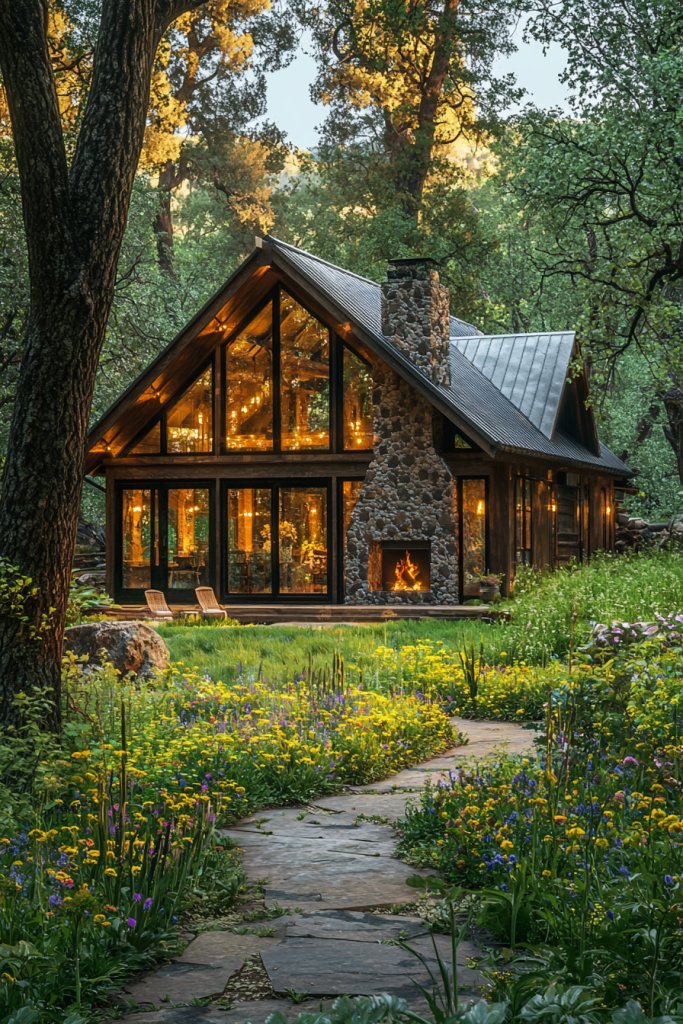
A vintage-inspired cabin with modern updates balances the charm of heritage materials with the clean functionality that contemporary interior living genuinely requires every day. Original stone fireplaces, antique timber beams, and reclaimed floorboards sit comfortably alongside modern kitchen cabinetry, streamlined bathrooms, and contemporary lighting fixtures throughout the space.
Paint original timber beams in a warm white or soft greige to freshen them visually while preserving their structural character as an important interior feature of the cabin. Choose modern furniture with simple silhouettes and neutral upholstery so the vintage architectural elements remain the dominant visual story the interior tells.
24. Smart Cabin, Nature Views
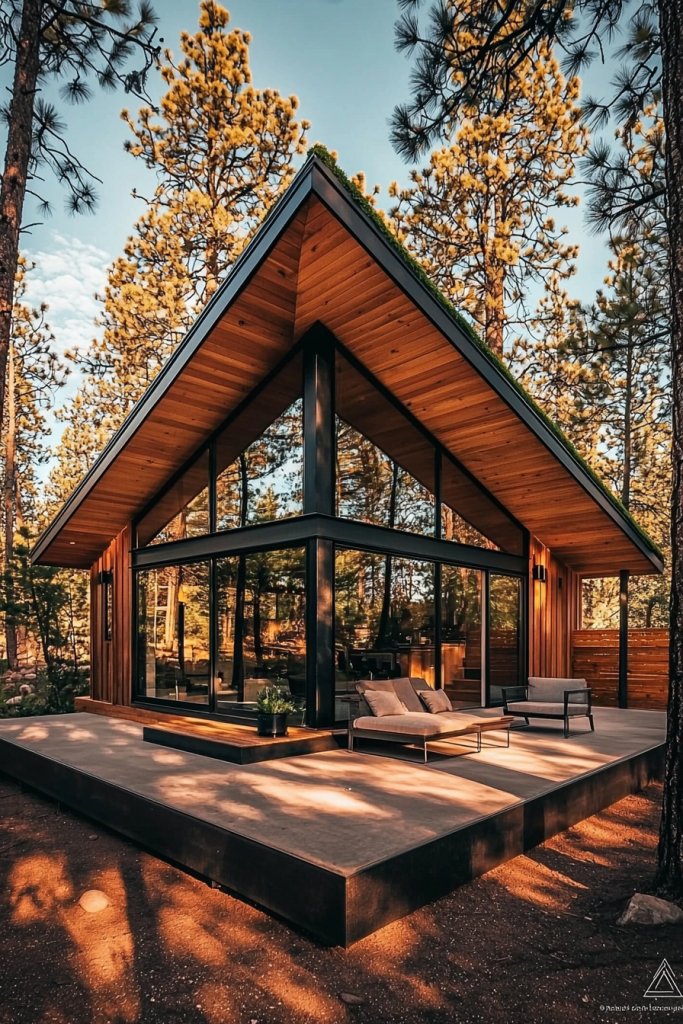
A smart home cabin with nature views uses integrated technology to control lighting, temperature, and window treatments in ways that always enhance rather than distract from the natural landscape outside. Automated blinds open at sunrise to flood the interior with morning light and retract at dusk to frame the landscape in complete, unobstructed clarity.
Conceal all smart technology behind natural material finishes like timber panel fascias and stone surrounds so the interior reads as a warm, organic living space rather than a technology showroom. Choose warm-toned LED lighting programmed to shift colour temperature throughout the day, mimicking natural daylight and reinforcing the cabin’s deep connection to the rhythms of the natural world outside.
Start with one idea that resonates most and use it as the design foundation for your entire cabin interior. A single strong concept, executed with intention and natural materials, creates a more powerful space than a dozen competing trends ever could.