Your living room ceiling holds more design potential than any other surface in the space. The right ceiling treatment transforms the entire mood, scale, and character of your room.
Most homeowners treat the ceiling as an afterthought, painting it white and moving on. That single decision leaves enormous creative potential completely untapped.
Ceiling design directly influences how spacious, warm, dramatic, or cozy a room feels. Every style from rustic exposed beams to gleaming metallic finishes sends a completely different emotional signal to anyone who enters.
1. Vaulted Ceilings Expand Living Rooms

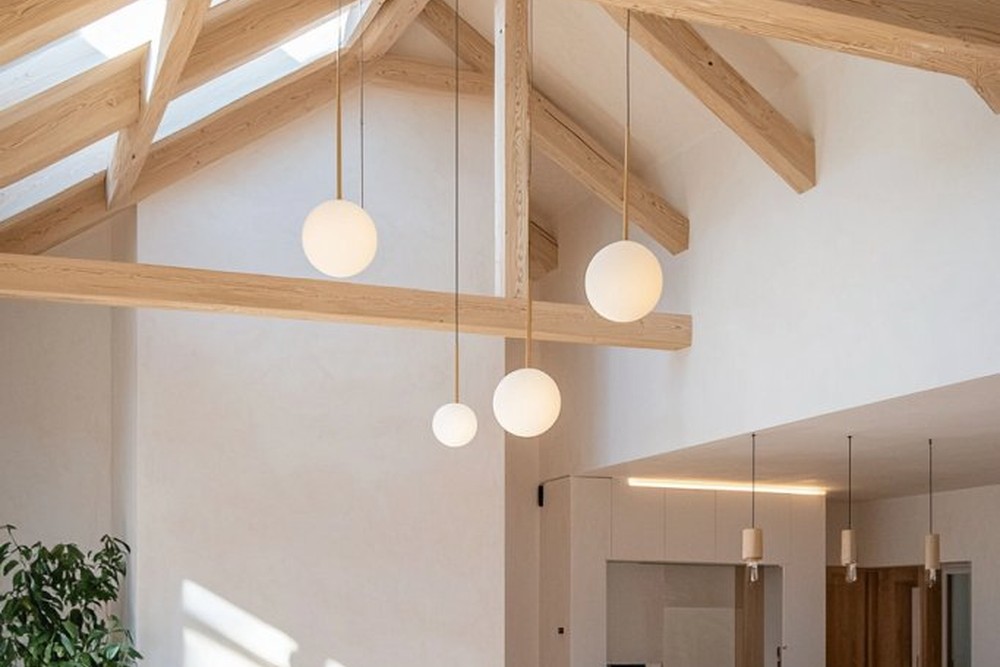
Vaulted ceilings pull the eye upward and instantly make any living room feel larger and more breathtaking. The angled planes create dramatic geometry that flat ceilings simply cannot achieve.
Pair vaulted ceilings with tall windows to maximize the natural light that flows through the elevated space. Choose a warm white or soft greige paint to keep the soaring height feeling welcoming rather than cold.
2. Tray Ceilings Add Elegant Depth
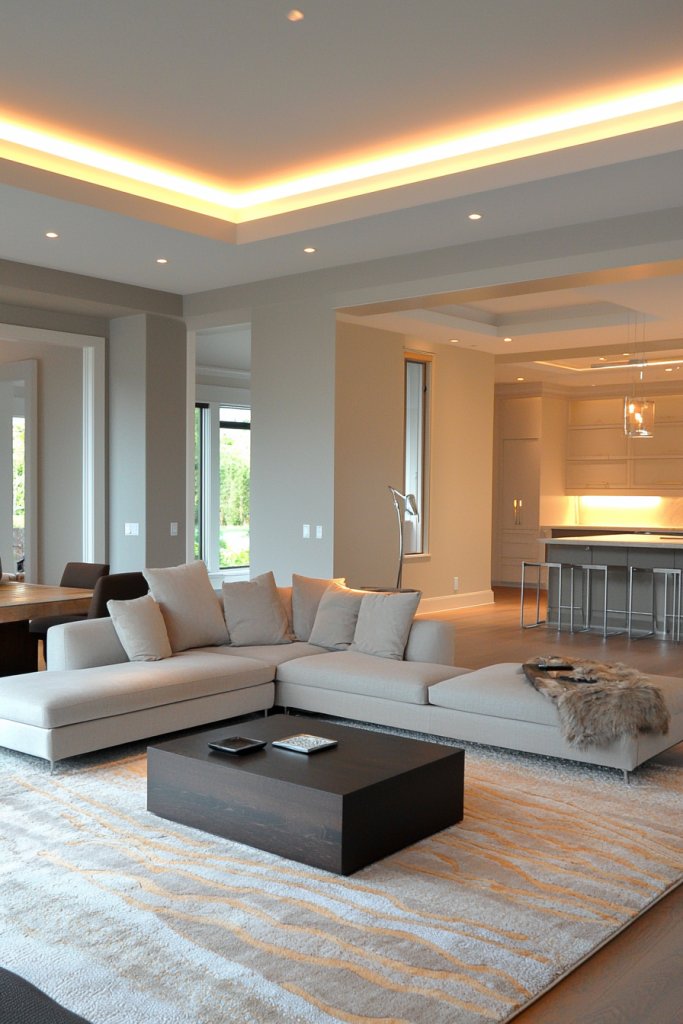
A tray ceiling introduces a layered, recessed design that gives the living room a polished and architectural quality. The stepped profile creates dimension and draws attention upward in a sophisticated way.
Install warm LED strip lighting inside the tray recess to cast a soft, glowing halo across the ceiling plane. Choose a contrasting paint color inside the tray to emphasize the depth and make the detail stand out.
3. Exposed Beams Bring Rustic Warmth

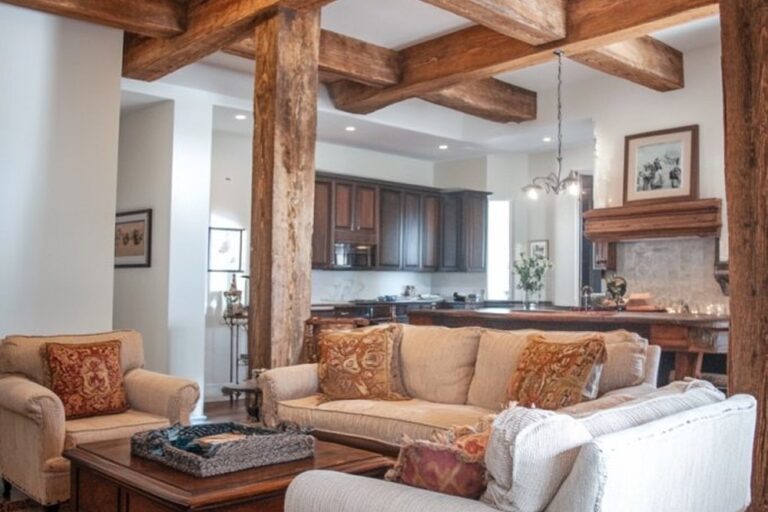
Exposed wooden beams across a living room ceiling deliver immediate rustic warmth and a strong sense of handcrafted character. Dark stained or weathered beams against a white ceiling create a striking and timeless contrast.
Space beams evenly across the ceiling to maintain visual balance and avoid a cluttered or heavy appearance. Sand and seal raw beams with a matte finish to preserve the natural wood grain while protecting the surface long term.
4. Painted Ceilings Inject Bold Color

A painted ceiling transforms the living room by wrapping the space in a continuous envelope of deliberate, intentional color. Deep navy, forest green, or terracotta on the ceiling anchors the room and makes furniture pop.
Choose a ceiling color that connects to one accent shade already present in your upholstery or rug. Use an eggshell finish rather than flat paint to give the ceiling a subtle luminosity that flat paint cannot provide.
5. Wallpapered Ceilings Create Stunning Impact

Wallpaper on the ceiling turns the fifth wall into a genuine showpiece that guests notice the moment they enter. Botanical prints, geometric patterns, and textured grasscloth all work beautifully overhead in a living room setting.
Choose a smaller, tighter pattern for lower ceilings so the design reads clearly without overwhelming the space. Use a professional-grade paste and work with a partner when hanging ceiling wallpaper to prevent misaligned seams.
6. Coffered Ceilings Deliver Classic Elegance

Coffered ceilings feature a grid of recessed panels that add extraordinary architectural detail to any living room. The structured pattern communicates refinement and craftsmanship that immediately elevates the entire interior.
Paint the coffers a shade darker than the surrounding beams to emphasize the depth and shadow of each panel. Install recessed lighting inside select coffers to layer ambient light evenly across the room below.
7. Mirrored Ceilings Amplify Room Space

A mirrored ceiling reflects both light and the room below, making the living space feel dramatically larger and brighter. The reflective surface bounces natural light from windows around the entire room throughout the day.
Use large mirror tiles rather than small mosaic pieces for a cleaner, more contemporary appearance overhead. Position furniture and lighting carefully so the reflection creates a pleasing composition rather than visual chaos.
8. Wood Paneling Adds Ceiling Warmth

Wood panel ceilings bring natural texture and organic warmth into a living room in a way that painted drywall never achieves. Wide planks in honey oak or whitewashed pine create a relaxed, comfortable atmosphere overhead.
Run planks perpendicular to the longest wall to make the room feel wider and more open. Apply a light whitewash or limewash finish to raw wood panels to keep the ceiling bright while preserving the natural grain.
9. Textured Ceilings Add Visual Depth
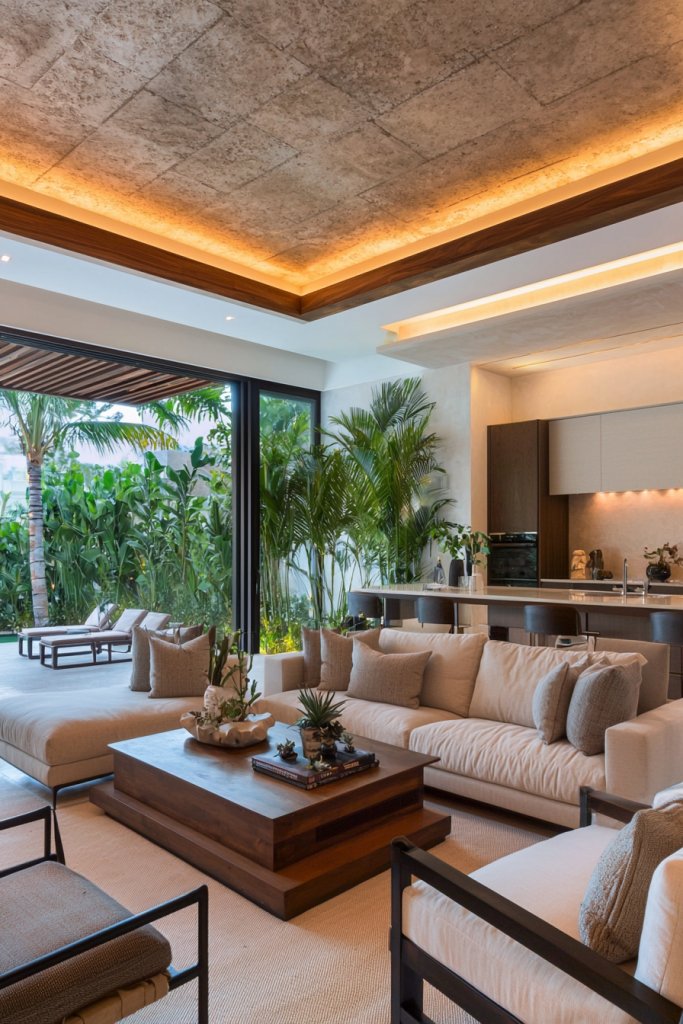
Textured ceilings add a layer of tactile visual interest that draws the eye upward and makes the room feel more considered. Options include Venetian plaster, skip trowel finishes, and raised geometric plasterwork patterns.
Use directional lighting such as angled spotlights to cast shadows across a textured ceiling and amplify its dimension. Paint a textured ceiling in a single tone to let the surface relief do the visual work without competing colors.
10. Stenciled Ceilings Showcase Artistic Style
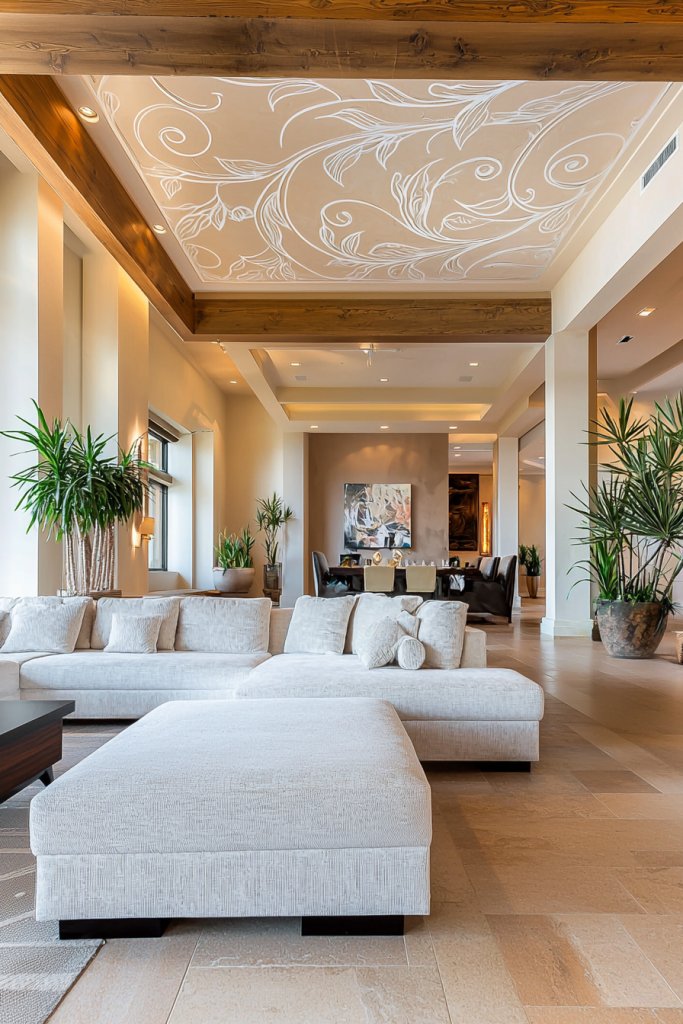
Stenciled ceiling designs bring a hand-crafted artistic quality to the living room without the cost of custom plasterwork. Repeating geometric or floral motifs overhead create the impression of a detailed, intentional interior.
Use a metallic paint in gold or bronze for the stencil to add subtle shimmer that catches light as it shifts throughout the day. Apply the stencil pattern only to the center of the ceiling to create a medallion effect above a seating area.
11. Tongue and Groove Ceilings Add Character
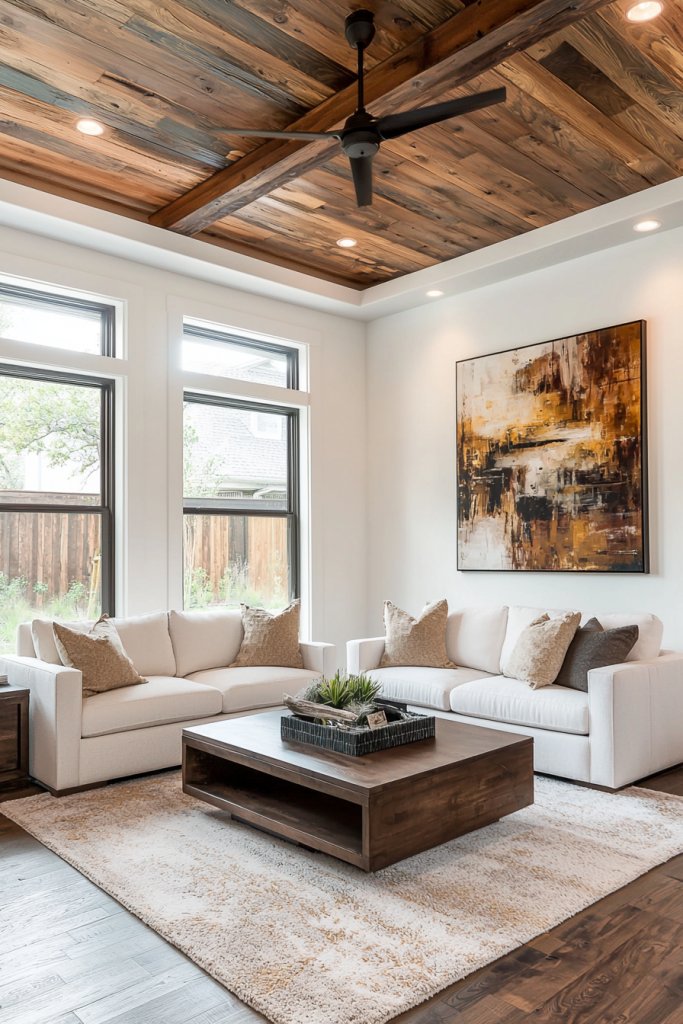
Tongue and groove ceilings install with a satisfying interlocking precision that creates a clean, linear surface overhead. The continuous lines of the planks draw the eye across the room and add strong directional movement to the space.
Paint tongue and groove ceilings in a soft white or cream to keep the texture light and airy in a smaller living room. Combine the planked ceiling with exposed rafter tails at the edges for a complete and cohesive coastal or farmhouse look.
12. Fabric Draping Softens Ceiling Design
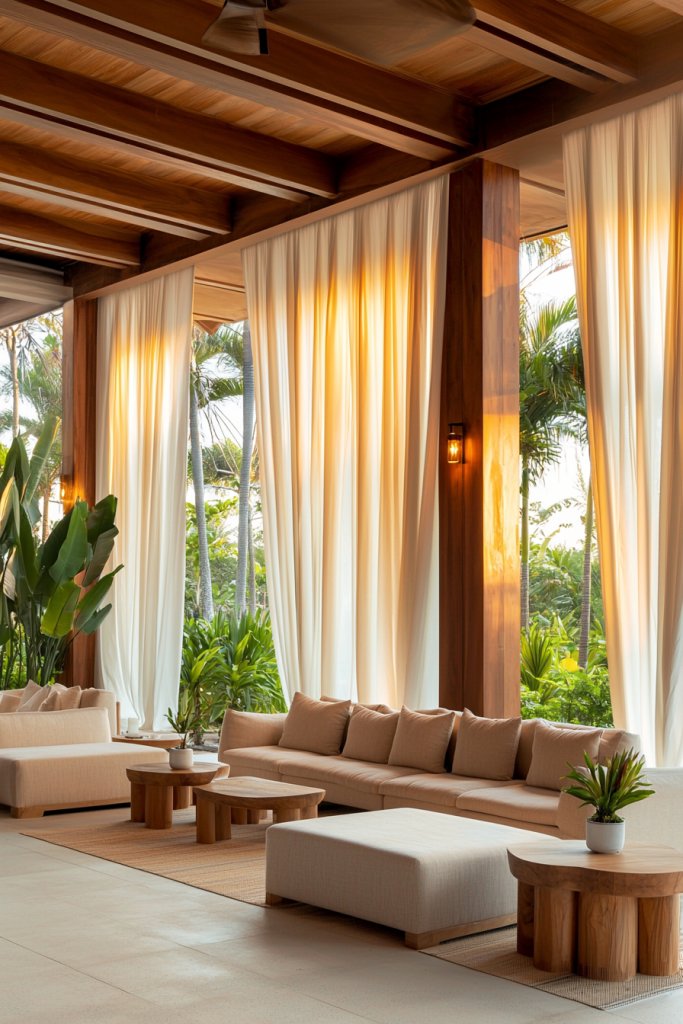
Draped fabric across a living room ceiling introduces softness and romance that no hard surface treatment can replicate. Sheer linen, flowing cotton, or luxurious silk all create a canopy effect that transforms the atmosphere completely.
Gather fabric at a central ceiling point and drape it outward toward the walls to create a dramatic tent-like effect. Choose a fabric color that complements your curtains or upholstery to maintain a cohesive and intentional color palette.
13. Skylights Flood Rooms With Light
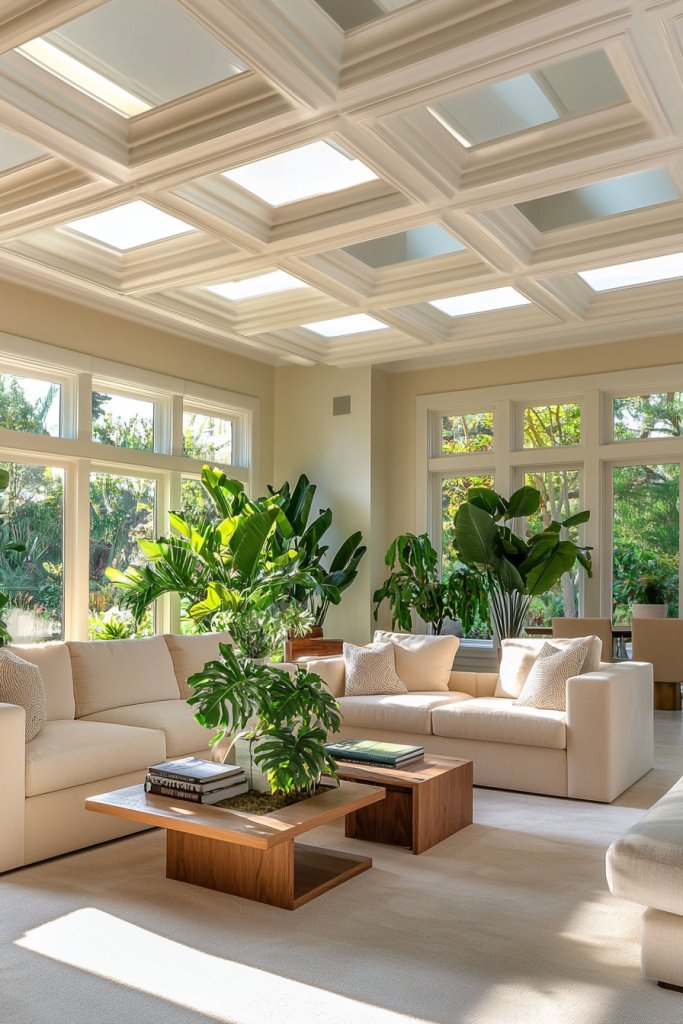
Skylights cut directly through the ceiling to bring natural daylight into the living room from directly above. The overhead light source illuminates the room evenly and eliminates the dark corners that wall windows often miss.
Position a skylight above the main seating area so natural light falls directly onto the central gathering space. Install a remote-controlled blind inside the skylight frame to control glare and heat during bright summer afternoons.
14. Suspended Ceilings Create Modern Style

A suspended ceiling drops below the original structure to create a new, lower plane that defines zones within an open living room. The gap between layers allows concealed lighting, wiring, and acoustic insulation to sit completely out of sight.
Use a suspended ceiling panel in a contrasting material such as timber or gypsum board to define the seating area below. Keep the suspended section centered over the sofa grouping to create a cozy, well-defined conversation zone.
15. LED Strip Lighting Sets Room Ambiance

LED strip lighting along ceiling edges or inside architectural recesses transforms a living room into a fully mood-responsive space. The continuous line of light creates a soft, glowing halo that no single pendant or downlight can replicate.
Choose a smart LED system that allows color temperature adjustment from warm amber to cool white through a phone app. Install the strip inside a shadow gap or recessed channel so the light source itself stays completely hidden from view.
16. Acoustic Panels Control Room Sound

Acoustic ceiling panels reduce echo and sound reverberation in living rooms, making the space feel quieter and more comfortable. Modern panels arrive in geometric shapes and bold colors that contribute genuine visual interest to the ceiling plane.
Arrange panels in an asymmetric cluster above the main seating area to treat the zone where conversation and audio equipment overlap. Choose panels in a color that complements your wall tone so the acoustic treatment feels designed rather than functional.
17. Metallic Finishes Deliver Ceiling Glamour

A metallic ceiling finish in gold, copper, or brushed silver adds a layer of glamour and light-reflective drama to the living room. The surface catches and scatters ambient light throughout the day, creating a constantly shifting and dynamic overhead plane.
Apply metallic paint with a sea sponge or textured roller to create an organic, varied finish rather than a flat uniform sheen. Balance a metallic ceiling with matte wall finishes and natural fabric textures to keep the room grounded and sophisticated.
18. Glass Ceilings Open the Sky
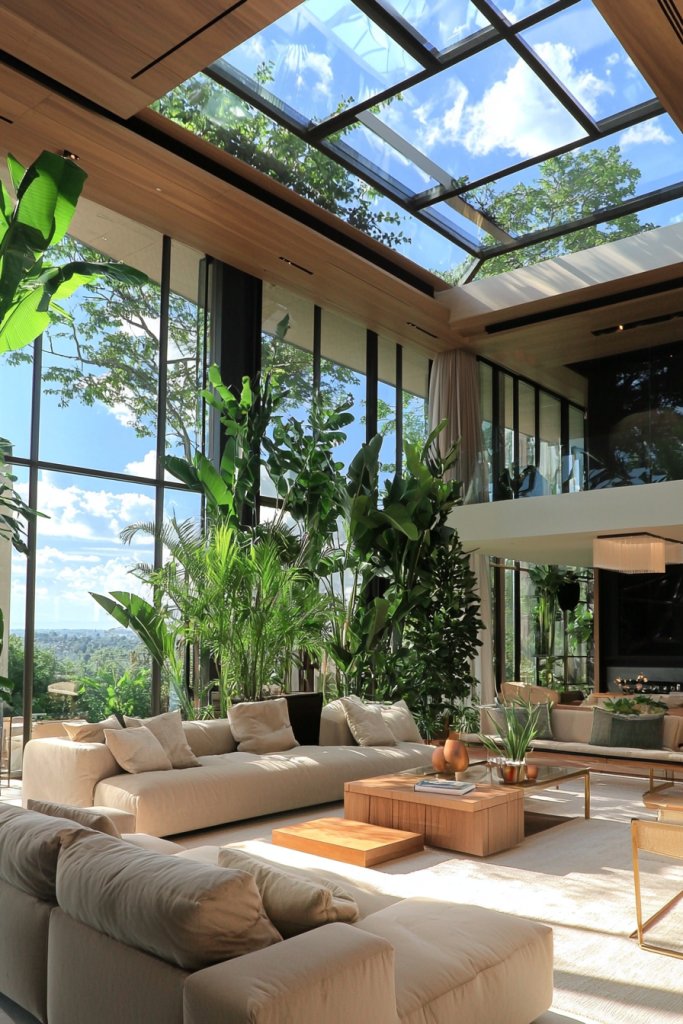
A glass ceiling panel connects the living room directly to the sky above and brings in an unfiltered view of clouds, stars, and daylight. The transparency erases the boundary between interior and exterior in a way that no other ceiling treatment achieves.
Use double-glazed structural glass panels to ensure thermal efficiency and prevent heat loss through the exposed overhead surface. Frame the glass sections with slim steel or timber profiles to add definition and reinforce the architectural character of the installation.
19. Ceiling Medallions Create Decorative Focus
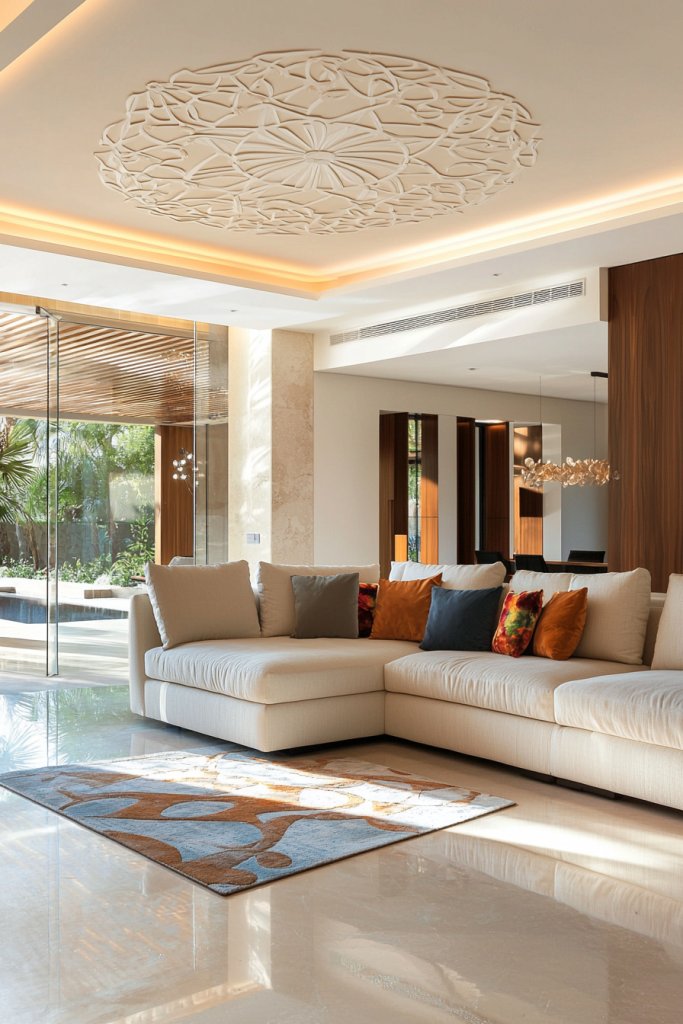
A ceiling medallion surrounds a central light fixture with an ornate decorative ring that immediately becomes the room’s focal point. The detail references classical architecture and adds a layer of handcrafted artistry to an otherwise plain ceiling surface.
Choose a medallion diameter roughly one inch for every foot of ceiling height to maintain correct visual proportion. Paint the medallion the same color as the ceiling for subtle elegance, or pick out its details in a contrasting shade for maximum decorative impact.
20. Color-Blocked Ceilings Make Bold Statements

Color-blocked ceilings divide the overhead plane into two or more distinct color zones that create a graphic, fashion-forward statement. The bold geometry commands attention and works particularly well in living rooms with contemporary or maximalist interiors.
Align the color block boundary with an architectural feature such as a beam, a lighting track, or the edge of a dropped soffit. Choose colors that already appear in your soft furnishings to ensure the blocked ceiling reads as intentional and cohesive.
21. Painted Beams Add Colorful Personality

Painting structural or decorative ceiling beams in a bold contrasting color transforms them from background detail into a standout feature. Cobalt blue, forest green, or burnt orange beams against a white ceiling deliver a playful and contemporary overhead statement.
Test the beam color on a small section first to confirm it reads well against both the ceiling tone and the wall colors below. Use a semi-gloss finish on painted beams so the color appears vivid and the surface stays easy to wipe clean over time.
22. Ceiling Rugs Inspire Creative Interiors
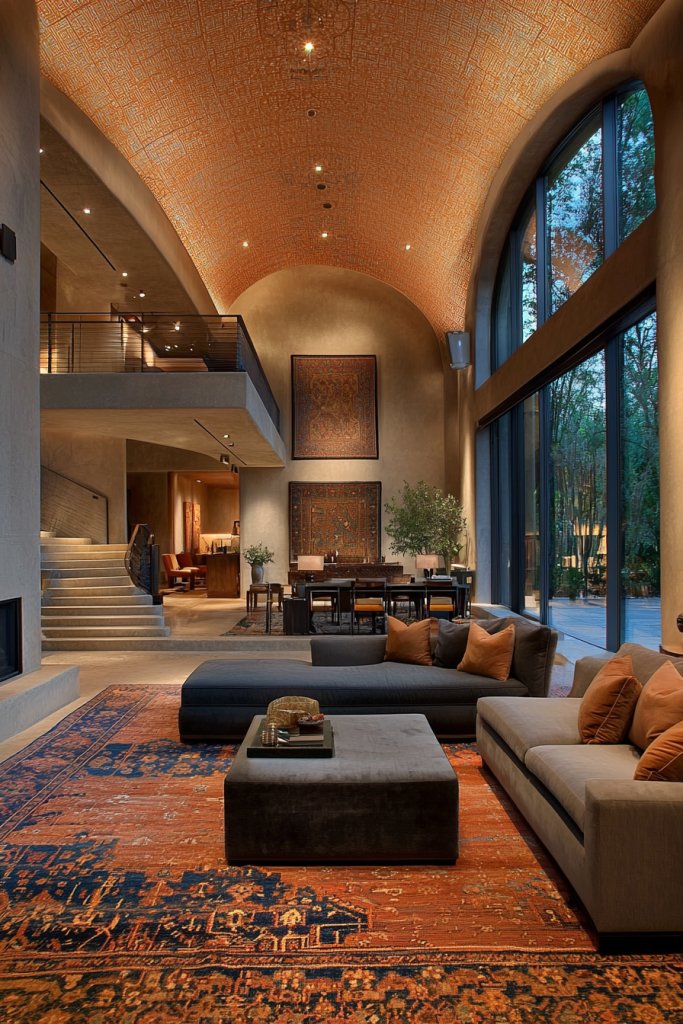
Mounting a decorative rug on the ceiling introduces rich pattern, texture, and color to the living room in a genuinely unexpected way. Persian and kilim rugs work especially well overhead because their flat weave and bold geometry read clearly from below.
Secure the rug to a wooden backing panel first, then mount the panel to the ceiling joists for a safe and stable installation. Choose a rug whose dominant colors connect to the palette already established by your floor coverings and upholstery.
23. Ceiling Tiles Offer Easy Style Updates

Decorative ceiling tiles install directly over an existing surface and update the living room overhead without a full renovation. Pressed metal, PVC, and fiberboard tiles arrive in dozens of patterns from simple geometric grids to elaborate Victorian florals.
Choose larger format tiles in a simple pattern for lower ceilings to avoid making the room feel visually busy or compressed. Paint metal tiles in a contrasting color after installation to personalize the pattern and connect the ceiling to the broader room palette.
24. Architectural Niches Create Visual Interest

Recessed architectural niches built into the ceiling plane add a layer of three-dimensional interest that flat surfaces completely lack. Each niche creates a shadowed recess that draws the eye and gives the ceiling a sculptural, considered quality.
Install directional downlights inside ceiling niches to cast focused pools of warm light onto furniture or artwork positioned below. Keep niche edges crisp and clean with a sharp plaster or timber reveal to ensure the detail reads with architectural precision.
25. Ceiling Murals Inspire Daily Living

A hand-painted ceiling mural transforms the living room overhead into a full artistic canvas that sets an inspiring and immersive tone. Cloud scenes, botanical illustrations, abstract color fields, and geometric compositions all translate beautifully to the ceiling plane.
Commission a local muralist to create a design that reflects the color palette and personality of your existing living room decor. Use a UV-resistant topcoat over the finished mural to protect the painted surface from fading caused by natural light exposure.
Your ceiling deserves as much creative attention as every wall and floor in your living room. Choose one treatment from this list, start planning your design, and watch the entire mood of your space transform.