Bringing nature indoors transforms any room into a calming, vibrant sanctuary that lifts your mood and sparks creativity. These 21 plant room ideas cover every style and space, giving you the tools to build your own lush green retreat.
Plant rooms have moved far beyond a simple pot on a windowsill. Designers now treat living greenery as a core decorating element, weaving plants into walls, furniture, and corners to create fully immersive interiors.
The key to a successful plant room lies in layering textures, heights, and container styles. Combining trailing vines with upright statement plants and low ground-cover varieties builds a rich, dynamic space that feels genuinely alive.
1. Vertical Succulent Wall Display
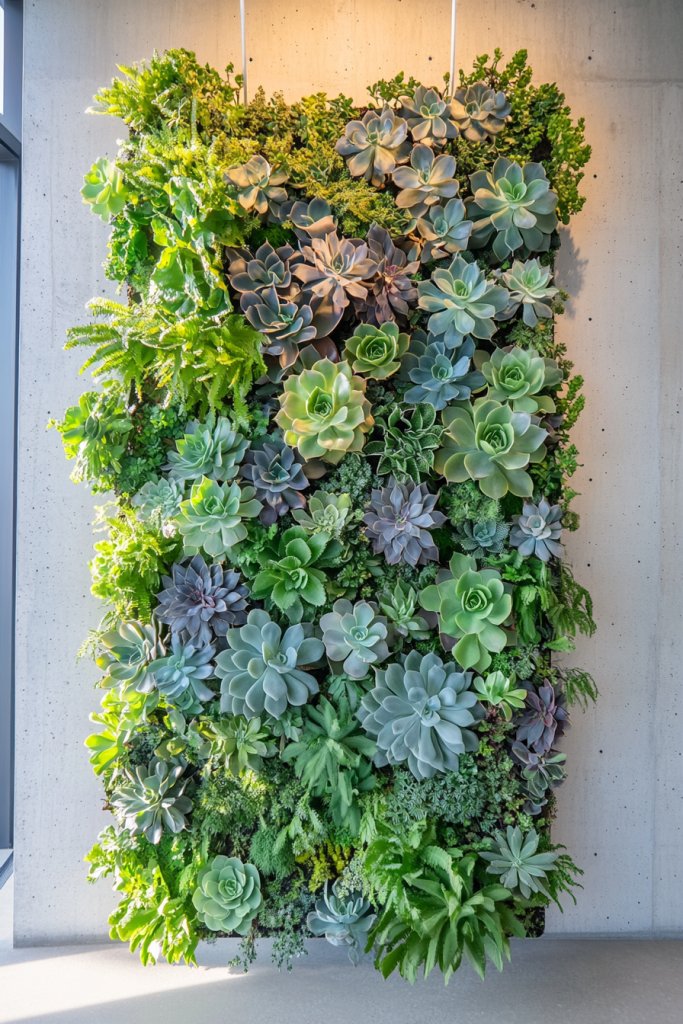
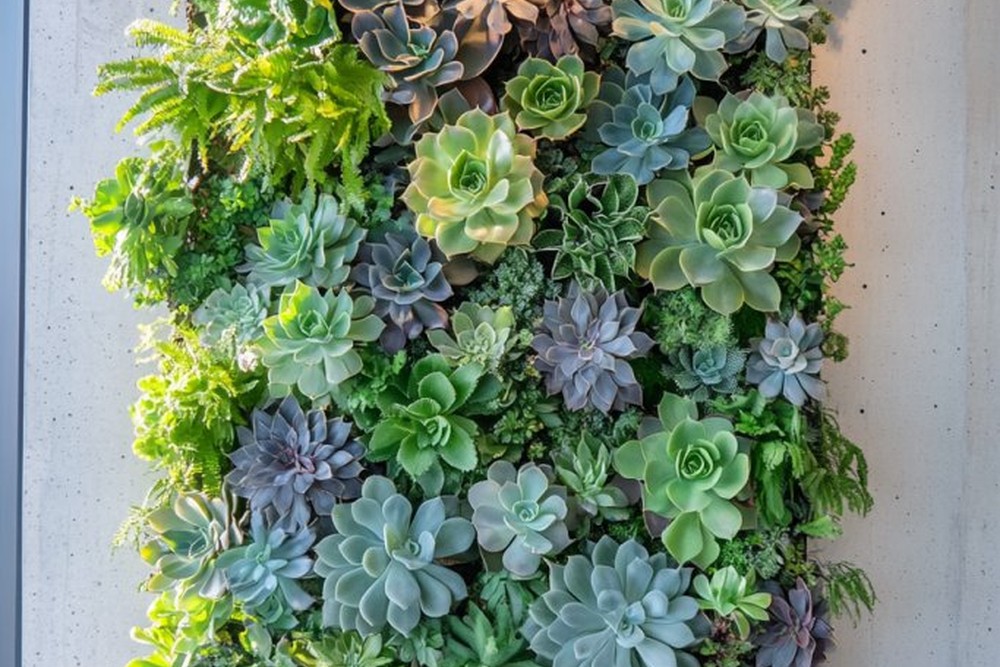
A vertical garden wall covers a blank surface with modular planters packed with succulents, trailing vines, and leafy foliage in contrasting shades of green. The layered arrangement creates a living artwork that draws the eye upward and makes any room feel larger and more vibrant.
Choose low-maintenance succulents or ferns and mount them in planters with drainage holes using a secure bracket system. Add a simple drip irrigation line to keep watering effortless and your plants consistently healthy.
2. Floating Shelves Greenery Style
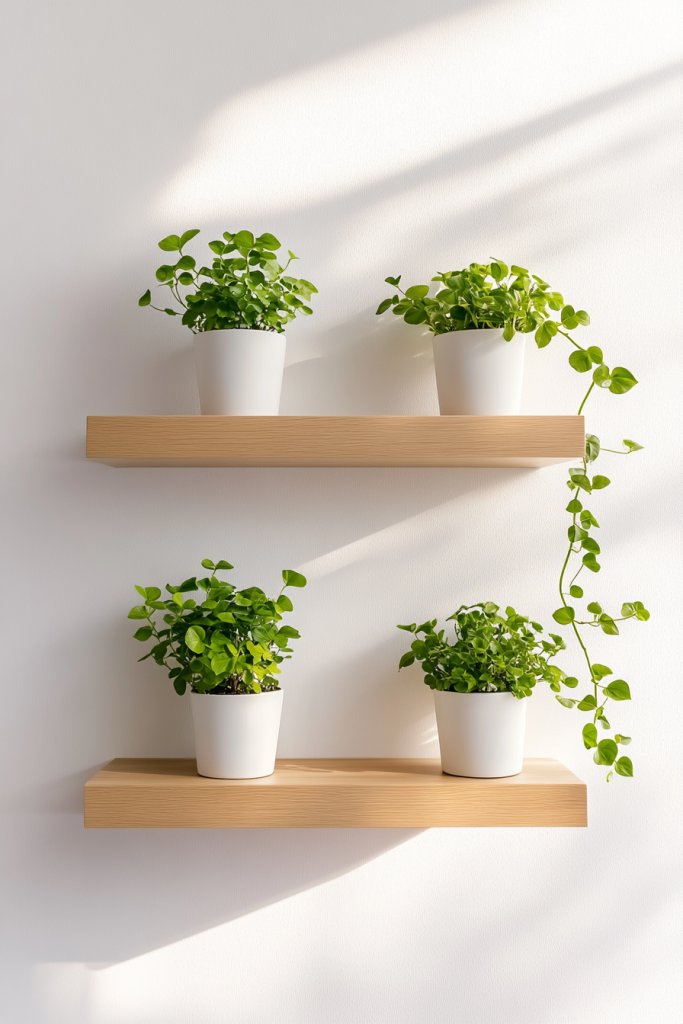
Floating plant shelves sit flush against the wall and display trailing pothos, small ferns, and leafy cuttings at varying heights, creating an airy, organic composition. The shelves appear to hover, giving the arrangement a light, breezy quality that suits modern and Scandinavian interiors beautifully.
Space the shelves at different intervals rather than evenly apart to create natural visual rhythm across the wall. Mix terracotta pots with ceramic and woven containers on the same shelf to add texture without visual clutter.
3. Woven Basket Planter Stations
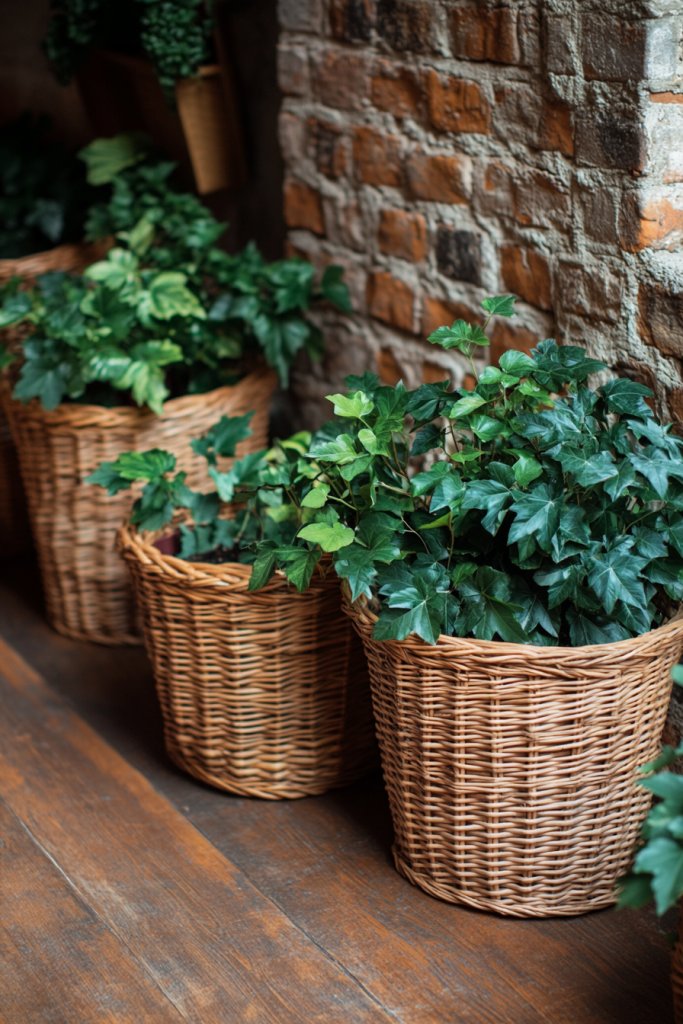
Woven basket planters grouped together on the floor or a low console bring warm, rustic character to any plant room. The natural fibers of seagrass, rattan, or jute complement earthy greenery and add tactile richness to the space.
Line each basket with a waterproof insert or plastic pot to protect the fibers from moisture damage. Cluster baskets in odd numbers and vary their heights by placing smaller ones on wooden risers for a more dynamic arrangement.
4. Macramé Hangers Bohemian Plant Display
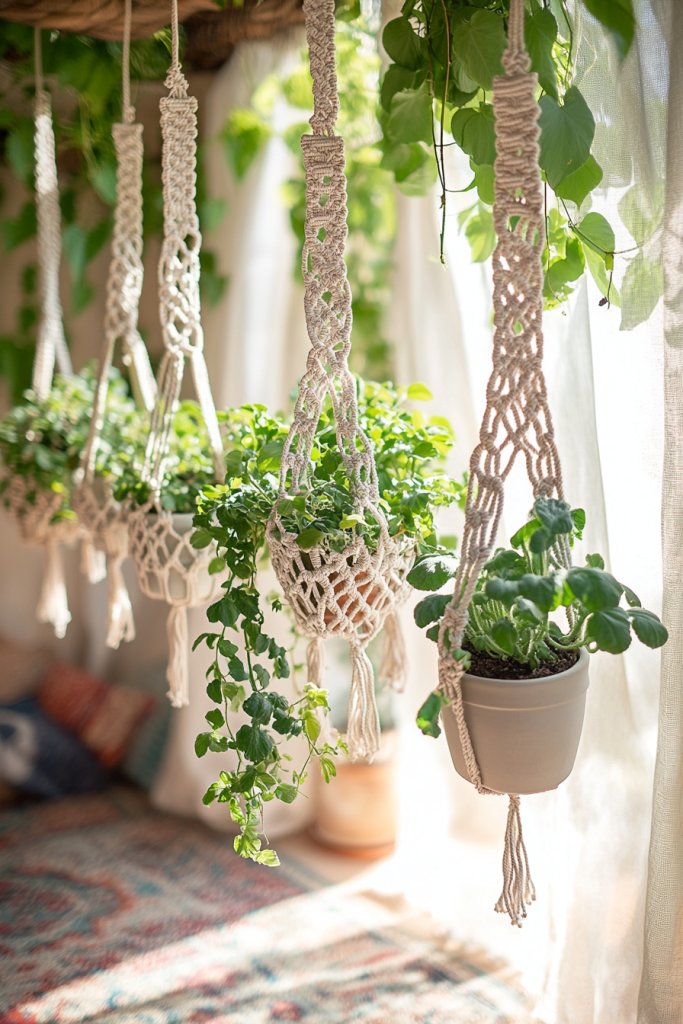
Macramé plant hangers suspend potted plants at different levels from the ceiling, filling vertical space with cascading greenery and intricate knotted texture. The handcrafted look adds a warm, artisan quality that suits boho, eclectic, and coastal interiors perfectly.
Hang several hangers at staggered heights near a bright window to give plants the light they need while building visual depth. Choose trailing varieties like string of pearls or devil’s ivy to maximize the cascading effect.
5. Multi-Tiered Plant Stand Layering
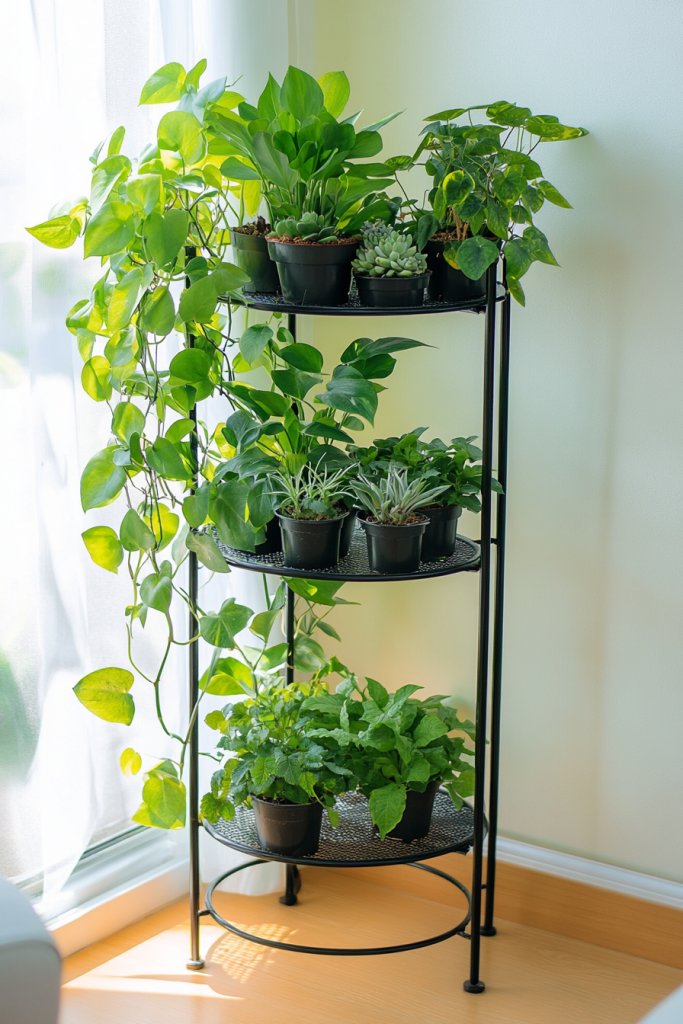
A multi-tiered plant stand groups plants at three or more heights in a single compact footprint, creating a lush, layered green display that reads like a small indoor garden. The graduated levels allow light to reach every plant while giving the arrangement a sculptural, architectural presence.
Place taller statement plants on the bottom tier and smaller trailing varieties on the upper levels to keep the composition balanced. A corner position maximises visual impact and frees up the rest of the room for other furniture.
6. Reclaimed Wood Plant Frames
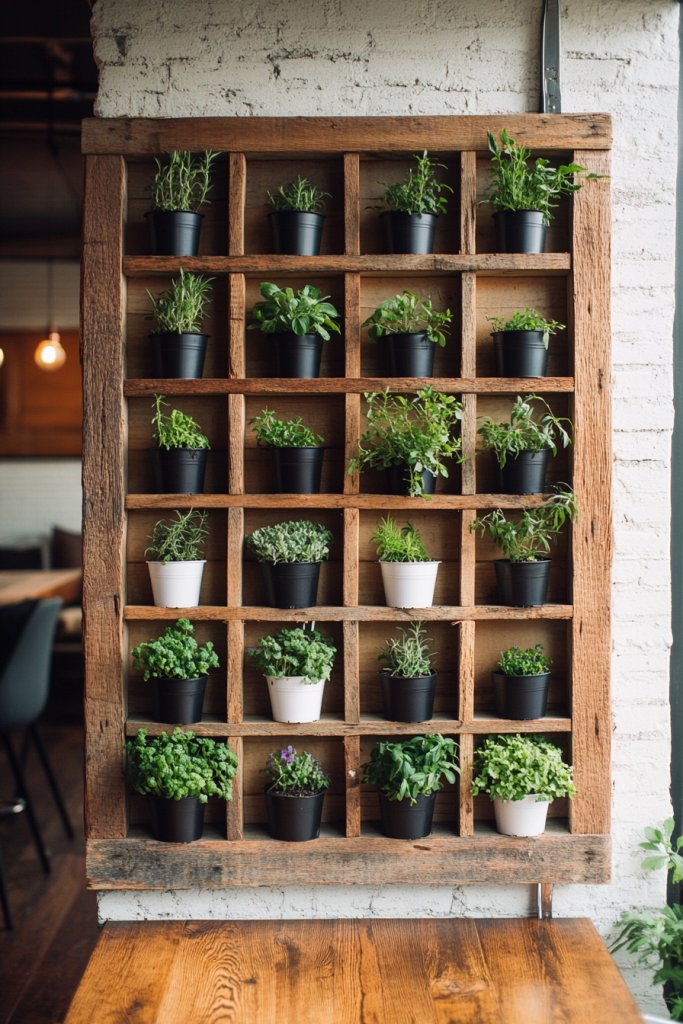
Reclaimed wood plant frames use salvaged timber to build rustic shelving units or box planters that hold a curated mix of indoor greenery. The weathered grain and natural imperfections of old wood add warmth, character, and an eco-conscious edge to the room.
Sand the wood lightly and apply a natural oil finish to protect it from moisture without masking its raw texture. Pair the frames with terracotta or stone pots to reinforce the earthy, organic aesthetic throughout the space.
7. Windowsill Herb Garden Ideas
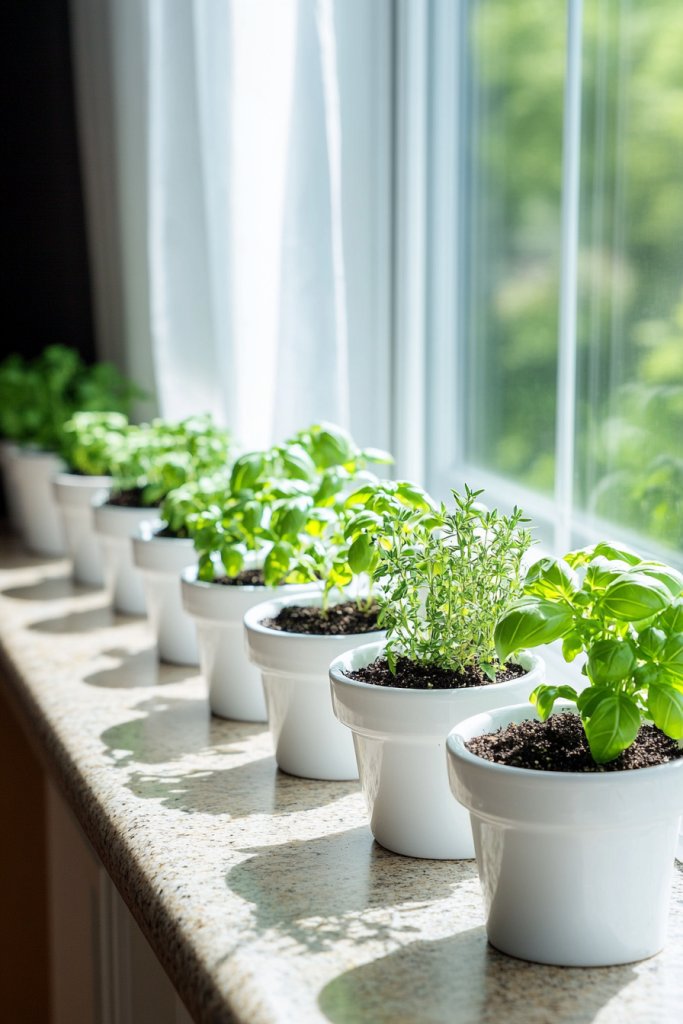
A windowsill herb garden lines a sunny window ledge with small pots of basil, rosemary, thyme, and mint, blending practical function with fresh green colour. The compact row of herbs frames the window beautifully and fills the room with a subtle, natural fragrance.
Use matching ceramic or terracotta pots in a uniform size to keep the arrangement neat and intentional rather than cluttered. A south or east-facing window provides the consistent direct light that culinary herbs need to thrive indoors.
8. Glass Cloche Miniature Garden Display
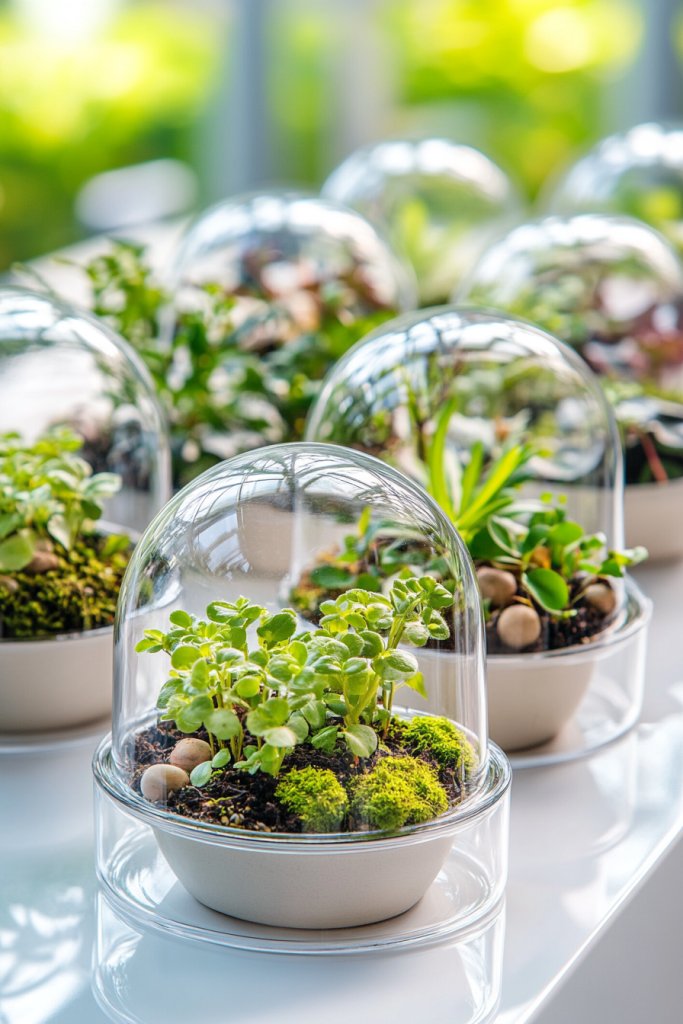
Glass cloches placed over small terrariums, moss arrangements, or delicate ferns create intimate miniature garden scenes that act as decorative focal points on tables and shelves. The transparent domes magnify the plants inside and give the display an elegant, almost Victorian botanical quality.
Layer fine gravel, activated charcoal, and potting mix inside each cloche to create proper drainage for the plants within. Lift the dome once a week for brief ventilation to prevent excess moisture buildup and keep the plants healthy.
9. Hanging Baskets Trailing Foliage
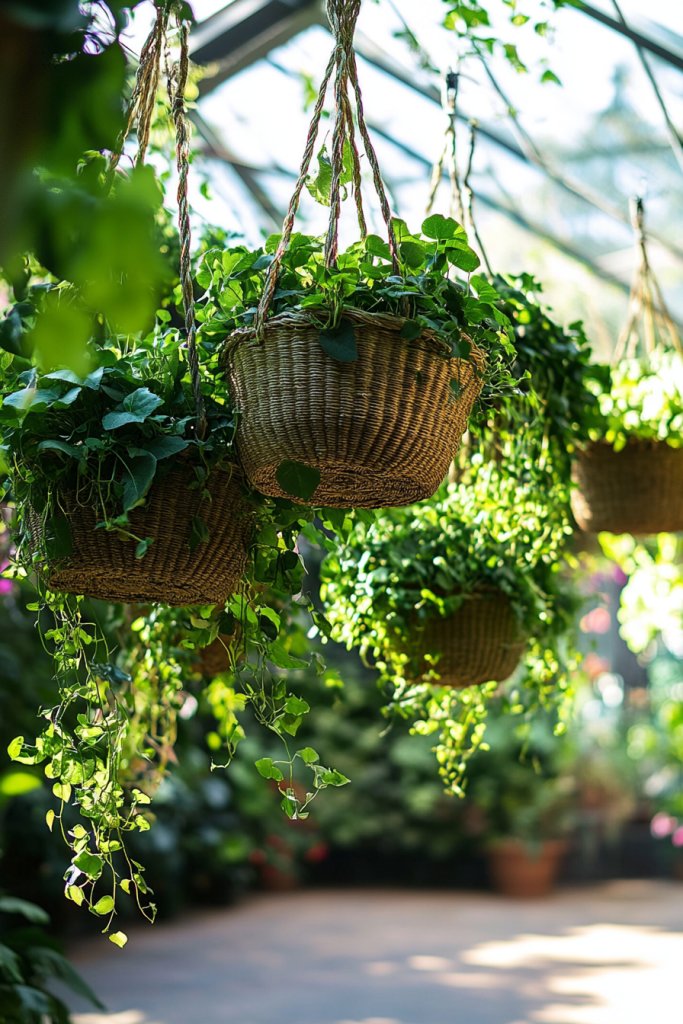
Ceiling-hung baskets filled with trailing foliage plants bring greenery down from above and fill otherwise unused overhead space with lush, cascading leaves. Varieties like string of hearts, ivy, and tradescantia spill beautifully over the basket edges, creating a canopy-like effect.
Use swivel ceiling hooks to allow easy rotation, ensuring all sides of the plant receive even light exposure throughout the week. Line wire baskets with coco fibre for a natural, textured look that complements the organic style of the trailing plants.
10. Pebble and Plant Texture Combinations
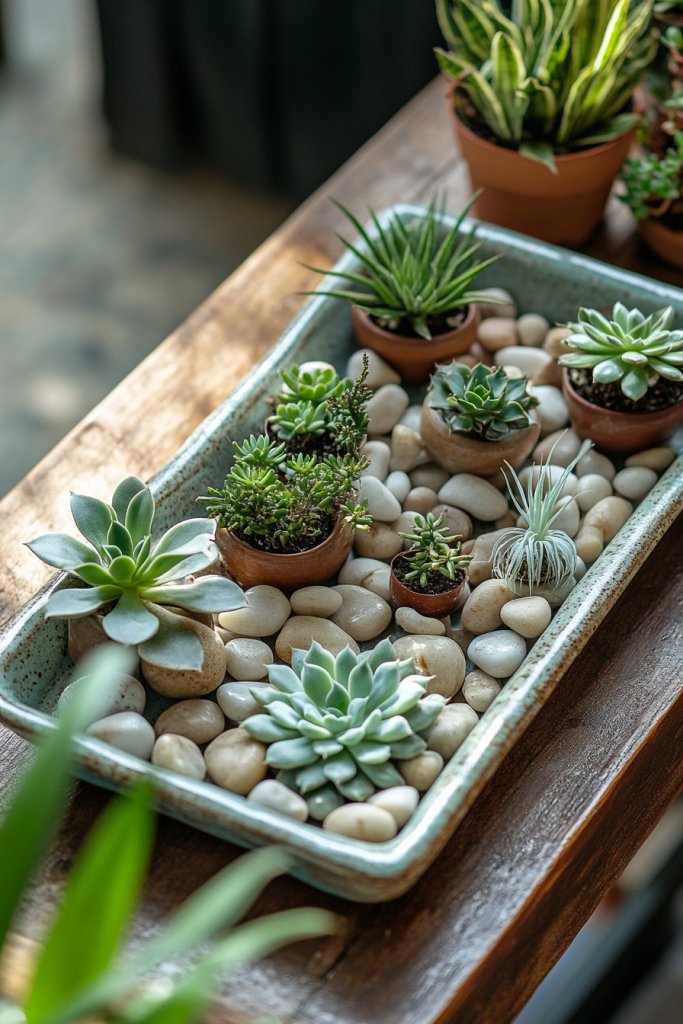
Pairing potted plants with smooth river pebbles, gravel, or decorative stones around their bases adds a layer of natural texture that grounds the arrangement and creates visual calm. The contrast between organic stone and living greenery gives the display a considered, zen-like quality.
Spread a thin layer of white or grey pebbles over the soil surface of each pot to retain moisture and reduce the need for frequent watering. Group pebble-topped pots in a shallow tray on a console or coffee table to create a cohesive, styled vignette.
11. Botanical Wall Art Plant Backdrops
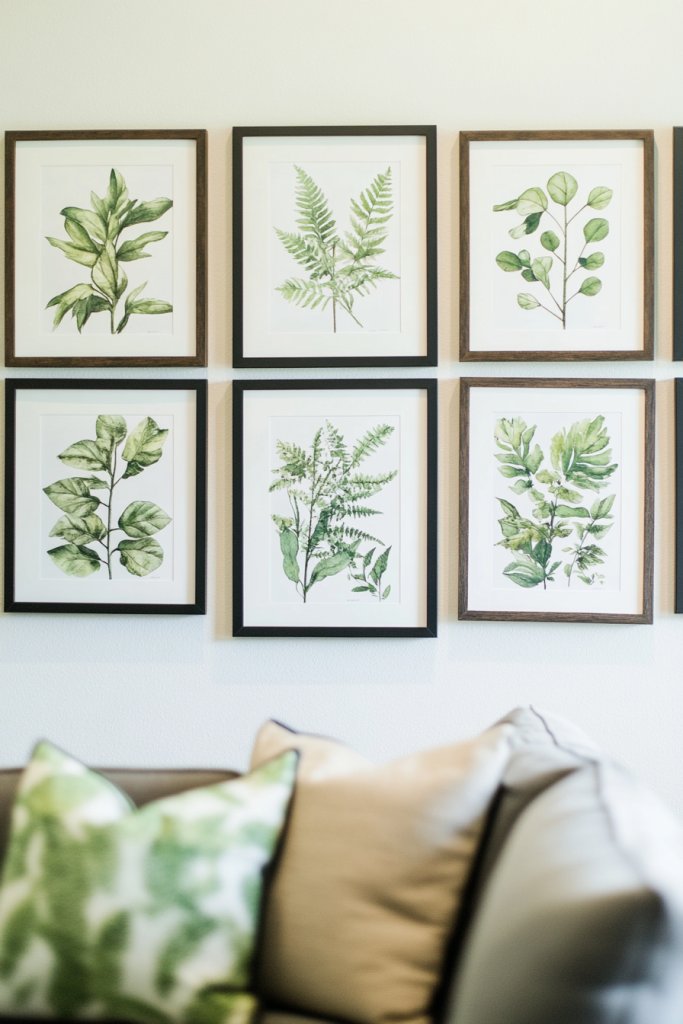
Botanical prints and plant-inspired wall art hung directly behind a cluster of real plants blur the boundary between art and nature, extending the green theme across the entire wall. The layered effect of framed prints alongside living plants creates a rich, gallery-like backdrop full of depth.
Choose prints with a colour palette that mirrors the actual plants in the room to create a seamless, cohesive look. Mix frame sizes and styles, combining ornate gold frames with simple black ones, to add visual interest without overwhelming the space.
12. Natural Fiber Rugs Anchor Green Spaces
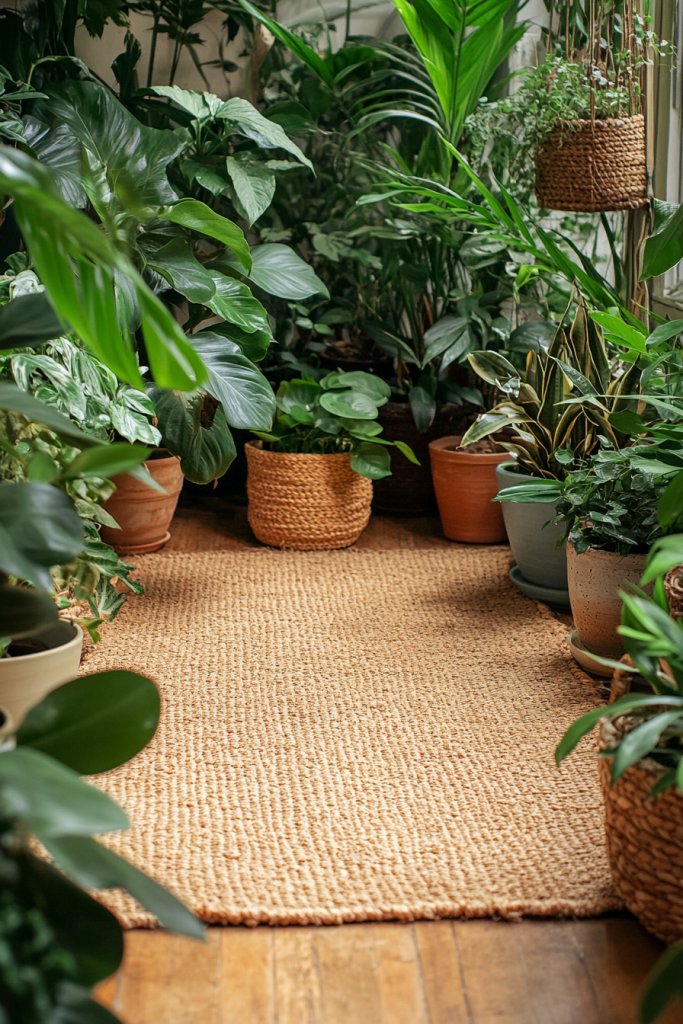
A natural fiber rug in jute, sisal, or seagrass anchors a plant-filled corner and ties the earthy, organic elements of the room together into one cohesive zone. The texture of the rug underfoot reinforces the natural aesthetic and visually separates the plant area from the rest of the room.
Choose a rug in a neutral tone like sand, warm beige, or oatmeal to let the greenery remain the dominant visual element in the space. Layer a smaller woven rug on top for added dimension and to define the planting area with intention.
13. Floor-to-Ceiling Plant Corner
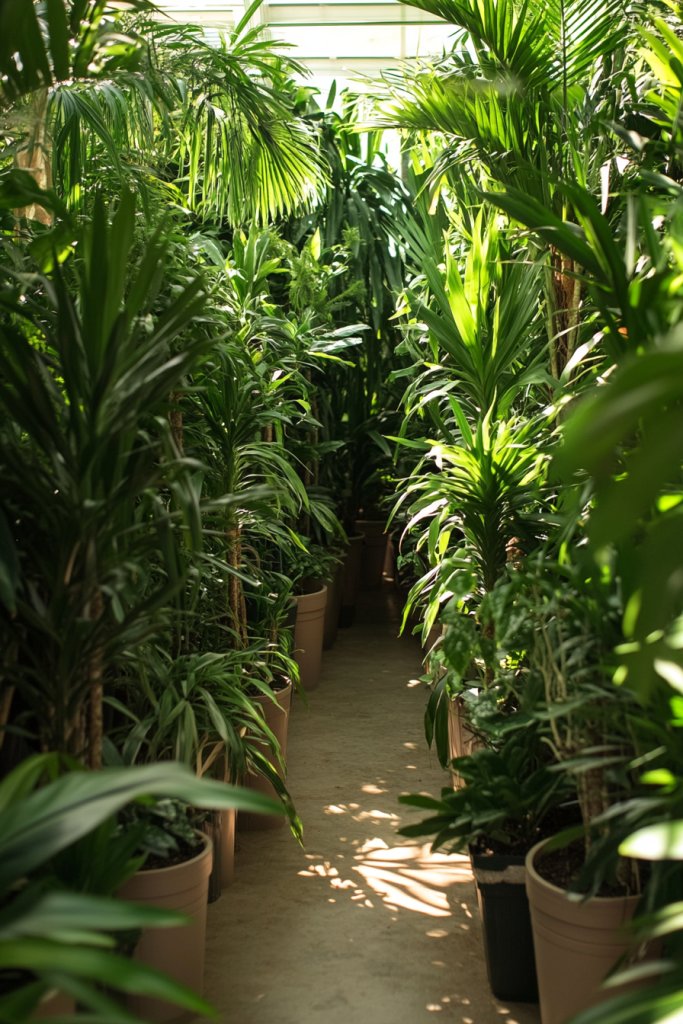
A floor-to-ceiling plant corner fills an entire room corner with greenery at every height, from large fiddle leaf figs and monstera on the floor to hanging vines and trailing plants cascading from shelves above. The layered vertical arrangement transforms a dead corner into the most dramatic feature in the room.
Use a tall ladder shelf or custom-built shelving unit to support plants at multiple levels within the corner space. Group plants with similar light and watering needs together to simplify care and keep the entire display looking lush and healthy.
14. Recycled Glass Vase Plant Arrangements
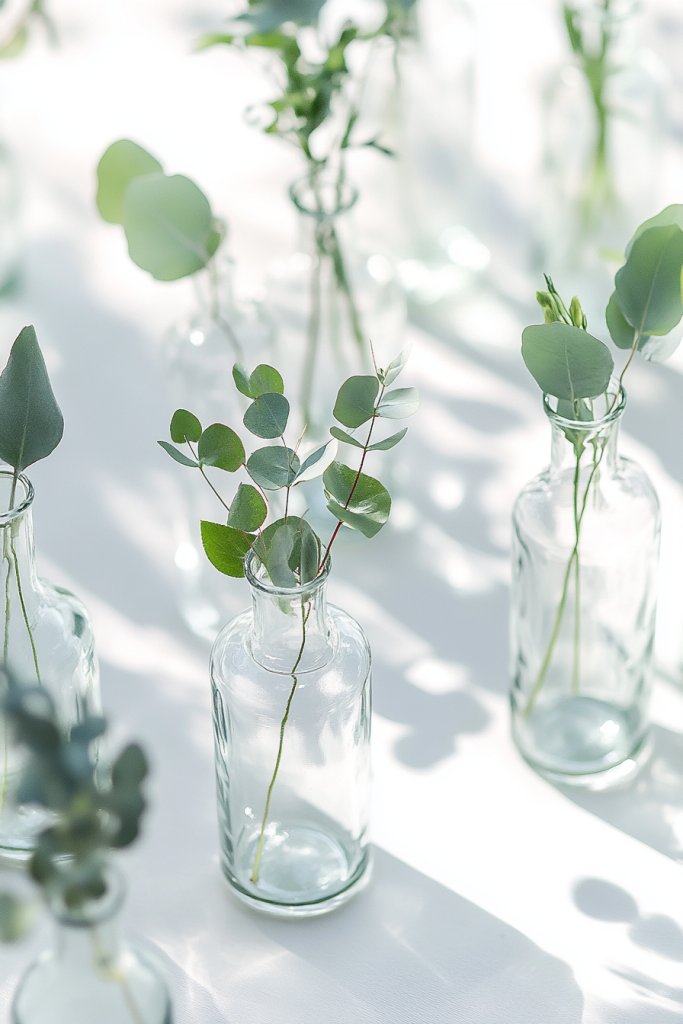
Recycled glass vases in varying heights and shapes hold single stem cuttings, water-rooted plants, or delicate flower branches, creating a minimalist green display with elegant simplicity. The transparent glass allows light to pass through and highlights the root systems of water-rooted cuttings as a decorative feature.
Arrange a cluster of three to five glass vases together on a shelf or dining table, varying the heights to create gentle visual rhythm. Refresh the water every few days and add a small amount of liquid fertiliser to keep water-rooted cuttings thriving.
15. Plant-Integrated Furniture Seamless Design
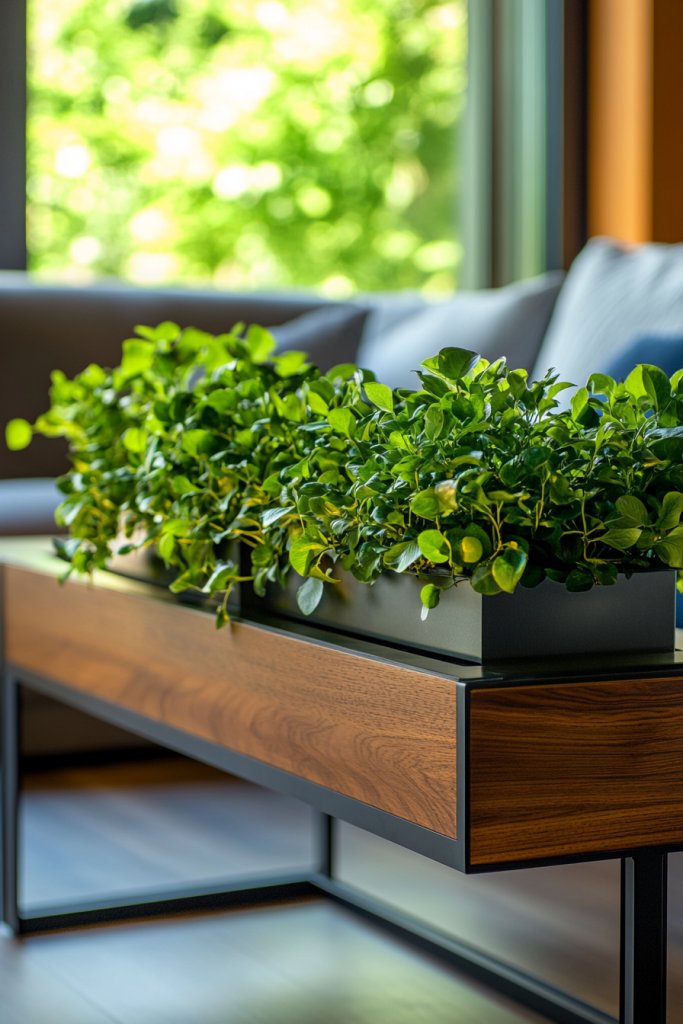
Plant-integrated furniture pieces such as coffee tables with built-in planters, shelving units designed around pots, or bed frames with attached planter boxes weave greenery directly into the room’s functional layout. This approach eliminates the need for separate plant stands and makes the greenery feel like a natural extension of the furniture itself.
Opt for furniture with removable planter inserts so you can swap plants seasonally or rearrange the room without difficulty. Choose compact, slow-growing plants like succulents or snake plants for built-in furniture planters to minimise maintenance demands.
16. Stone and Clay Planters Earthy Style
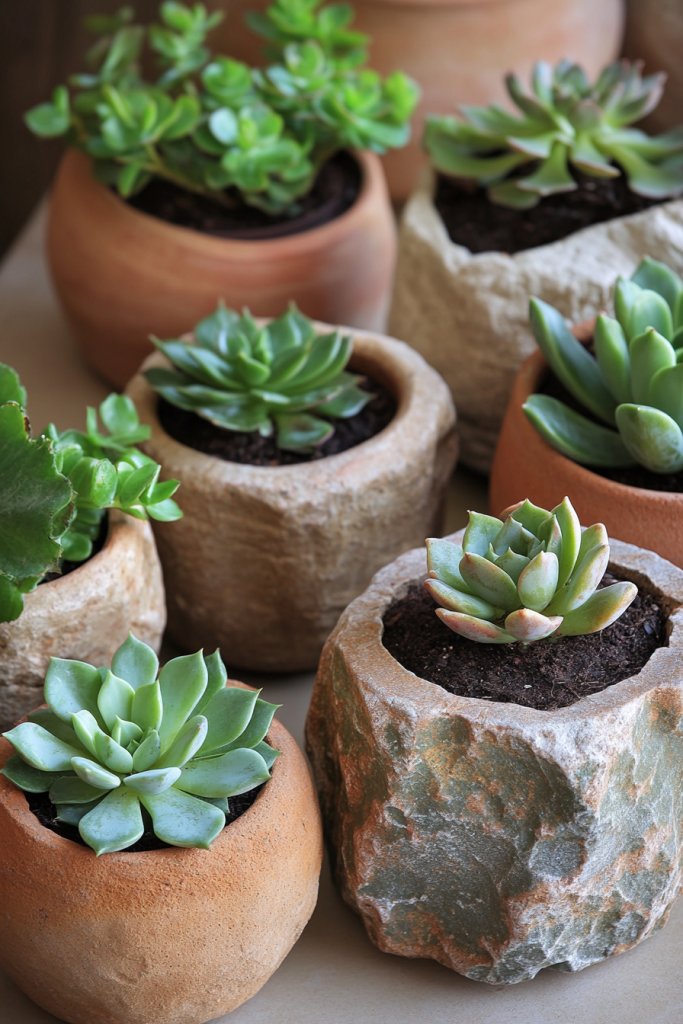
Natural stone and clay planters carry a tactile, earthy quality that reinforces the organic feel of a plant room and adds visual weight to the arrangement. Their muted, mineral tones in terracotta, grey, and warm cream allow the greenery inside to take full visual prominence.
Group stone and clay planters in a cluster near a window, mixing different heights and diameters to create a natural, unforced composition. Seal unglazed clay pots with a light coat of linseed oil to slow moisture evaporation and extend the life of the planter.
17. Hidden Plant Nooks Behind Screens
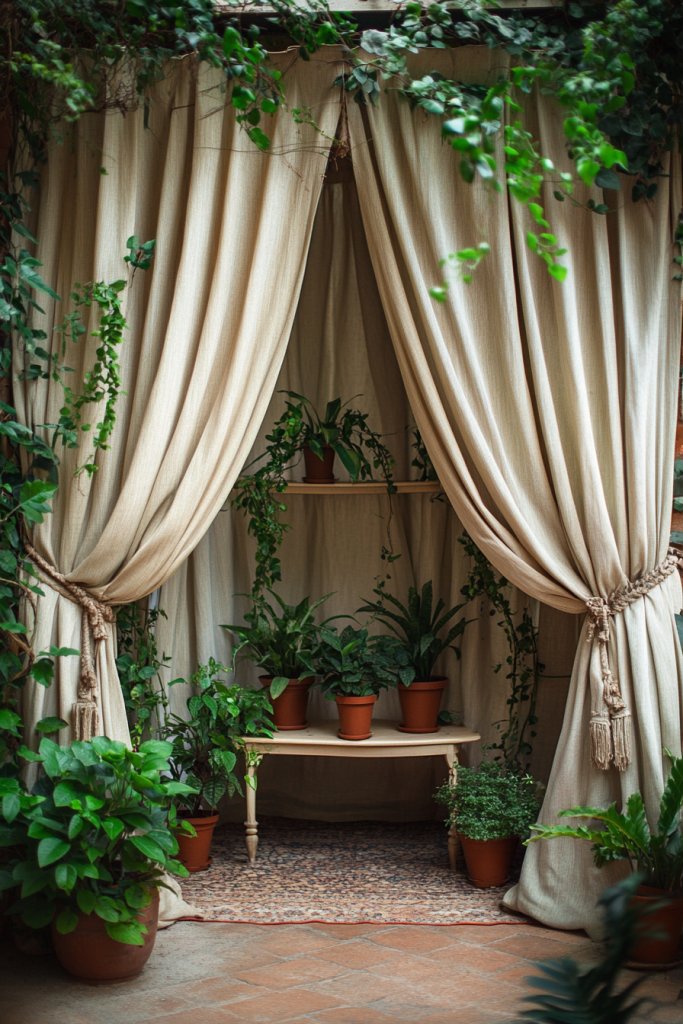
Fabric curtains or decorative room screens placed in front of a plant collection create a hidden green nook that feels private, intimate, and full of quiet atmosphere. Pulling the curtain aside to reveal the plants transforms the everyday act of tending them into a small, delightful ritual.
Use a sheer linen curtain rather than a heavy fabric so filtered light still reaches the plants throughout the day. Choose a screen with an open lattice design to allow air circulation, keeping the plants healthy in their sheltered corner.
18. Reclaimed Pallet Tiered Plant Wall
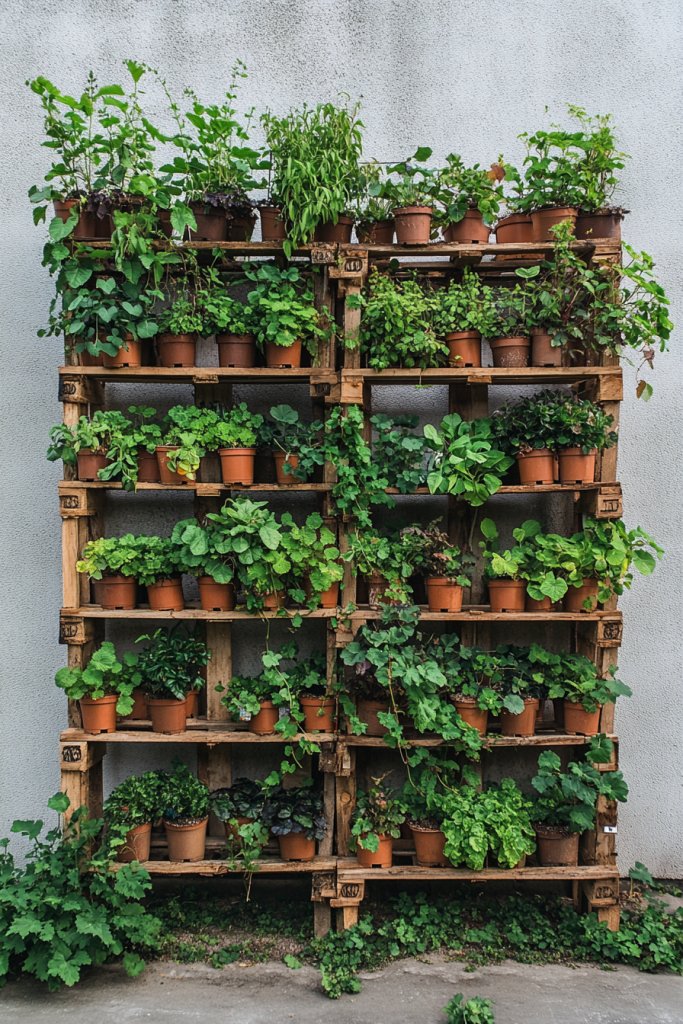
A tiered plant wall built from reclaimed pallet frames stacks horizontal planting rows up a wall, holding a dense mix of herbs, trailing plants, and small foliage varieties in a structured grid. The raw timber of the pallets adds industrial warmth and makes the entire wall feel intentional and crafted.
Sand the pallet timber thoroughly and treat it with a non-toxic sealant before mounting it against the wall to prevent splinters and moisture damage. Add small hooks along the pallet slats to hang lightweight macramé hangers for extra planting depth.
19. Indoor Fountain Surrounding Greenery
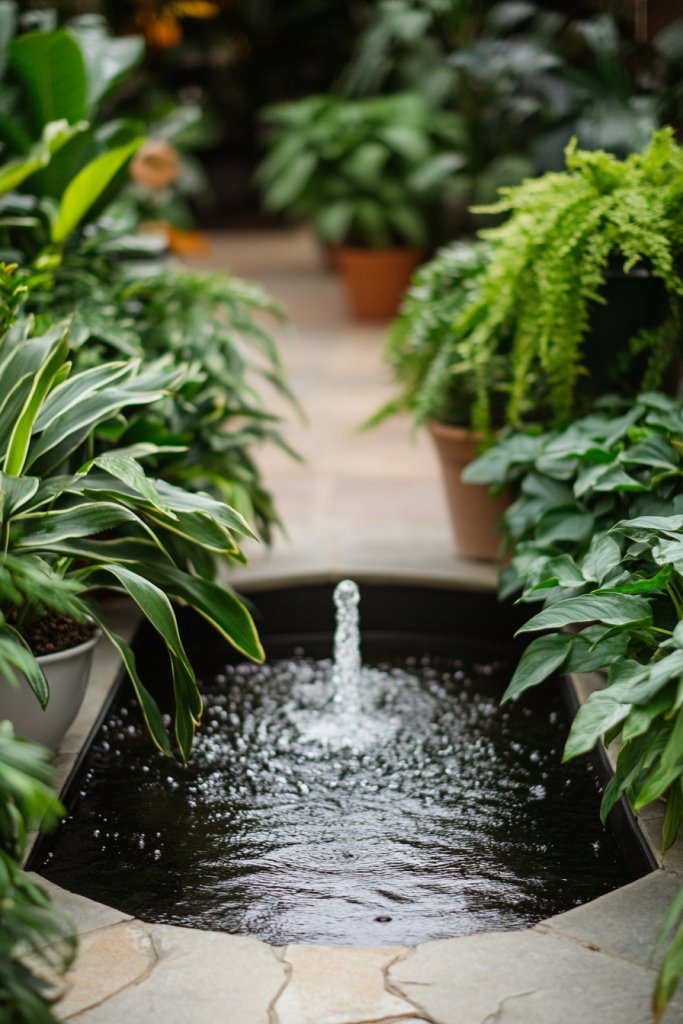
A small indoor fountain surrounded by potted ferns, peace lilies, and tropical foliage creates a sensory corner that combines the sight of living plants with the gentle sound of moving water. The combination instantly makes the space feel cooler, calmer, and deeply restorative.
Position the fountain near a power outlet in a corner with good indirect light to suit both the fountain and the moisture-loving plants around it. Use a dark stone or ceramic basin for the fountain to ground the arrangement and reinforce the natural, earthy colour palette.
20. Natural Light Sheer Curtains Plant Styling
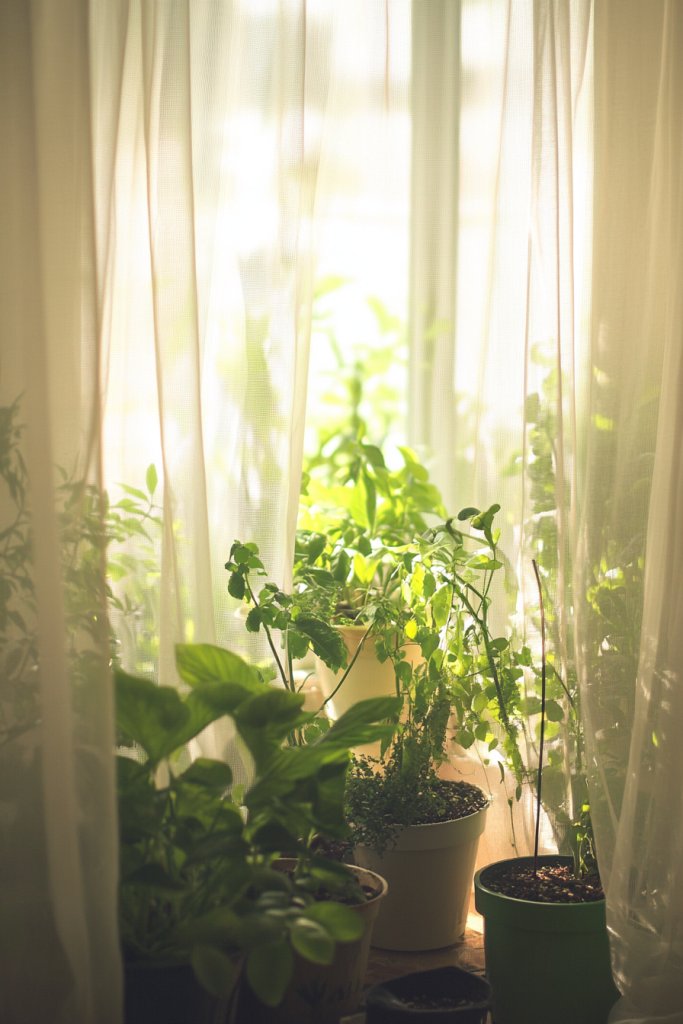
Sheer curtains diffuse direct sunlight into soft, even light that bathes indoor plants in a warm glow and prevents harsh direct rays from scorching delicate leaves. The translucent fabric also creates a luminous, ethereal backdrop that makes greenery look especially vibrant and alive.
Hang sheer linen or cotton curtains in an ivory or warm white tone to complement the natural green tones of the plants without competing with them. Position your most light-hungry plants directly on the windowsill behind the sheers to take full advantage of the filtered brightness.
21. Corner Bench Surrounded by Plants
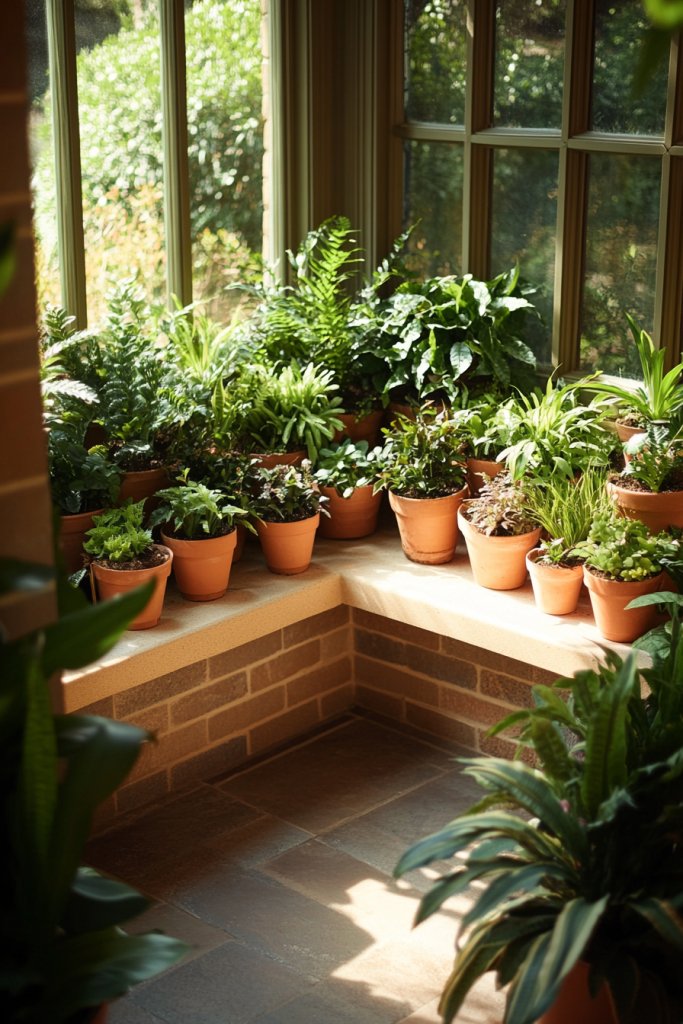
A corner bench seat surrounded by tall plants, hanging baskets, and potted foliage creates a dedicated relaxation nook that feels like sitting inside a private garden. Cushions in natural linen or woven fabric complete the look and make the green corner a genuinely inviting place to rest.
Choose a bench with built-in storage underneath to house gardening tools, spare pots, and plant care supplies close at hand. Surround the bench with plants of varying heights, placing tall specimens at the back and smaller pots along the floor in front.
Start with one or two of these ideas that suit your existing room layout and build your plant collection gradually from there. A well-styled plant room rewards patience, and every new addition brings you closer to the lush, natural interior you are working toward.