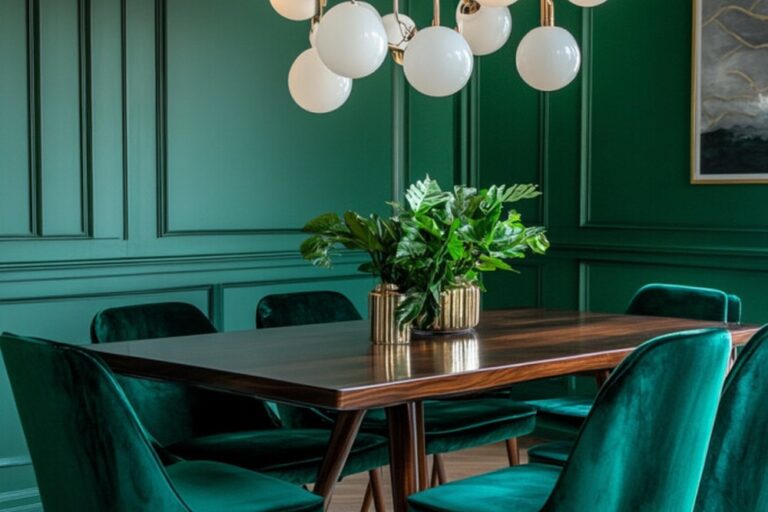

Your dining room sets the tone for every shared meal, celebration, and late-night conversation. The right decor transforms an ordinary room into a space that pulls people together and keeps them there.
A well-designed dining room balances beauty with function, giving every guest a reason to linger. Color, lighting, furniture, and styling all work together to build an atmosphere that feels both welcoming and intentional.
You do not need a complete renovation to achieve a stunning dining room. Small, considered changes to your walls, textiles, and furniture arrangements can produce a dramatic and lasting impact.
1. Define Your Color Palette

A strong color palette anchors the entire dining room and signals the mood before a single guest sits down. Soft pastels create a calm, intimate setting, while deep jewel tones like emerald or sapphire energize the space for lively dinners.
Start by identifying the natural light in your room, then choose a base color that complements it. Layer in accent shades through cushions, table linens, and wall art to build a cohesive, inviting look.
2. Hang Statement Lighting

A bold chandelier or cluster of oversized pendant lights commands attention and anchors the dining table as the room’s focal point. Crystal chandeliers scatter warm light across the table, while matte black pendants deliver a sleek, modern edge.
Hang your pendant lights approximately 30 to 36 inches above the tabletop to create intimacy without blocking sightlines. Layer ambient, task, and accent lighting together to add depth and warmth to the entire room.
3. Bring In Indoor Plants

Greenery breathes life into a dining room and softens the hard lines of furniture and walls. A tall fiddle leaf fig in the corner draws the eye upward, while small potted succulents on the table add organic texture at eye level.
Choose low-maintenance plants like pothos or snake plants if your dining room receives limited natural light. Group plants in clusters of varying heights to create a layered, lush display that feels intentional rather than scattered.
4. Style With Cozy Textiles

Textiles introduce warmth and softness to a dining room that furniture alone cannot provide. A patterned area rug under the table defines the dining zone, while linen or velvet chair cushions add comfort and visual richness.
Choose a rug that extends at least 24 inches beyond each side of the table so chairs stay on the rug when pulled out. Layer table runners over a plain tablecloth to build texture and introduce color without overwhelming the space.
5. Build a Gallery Wall

A gallery wall transforms a bare dining room wall into a curated visual story that guests notice immediately. Mix framed prints, canvas art, and decorative objects in complementary tones to create a display that feels collected rather than matchy.
Lay your arrangement on the floor first to test the composition before you hammer a single nail into the wall. Keep a consistent margin of two to three inches between each frame to maintain a clean, intentional look.
6. Choose a Standout Dining Table

The dining table is the centerpiece of the room, and its shape, material, and finish set the entire design direction. A live-edge wood table brings organic warmth, while a marble-topped table introduces elegance and a cool, polished surface.
Choose a table size that allows at least 36 inches of clearance on every side for comfortable movement around the room. Consider an extendable table if you host large gatherings occasionally, keeping the room proportional during everyday use.
7. Mix and Match Dining Chairs
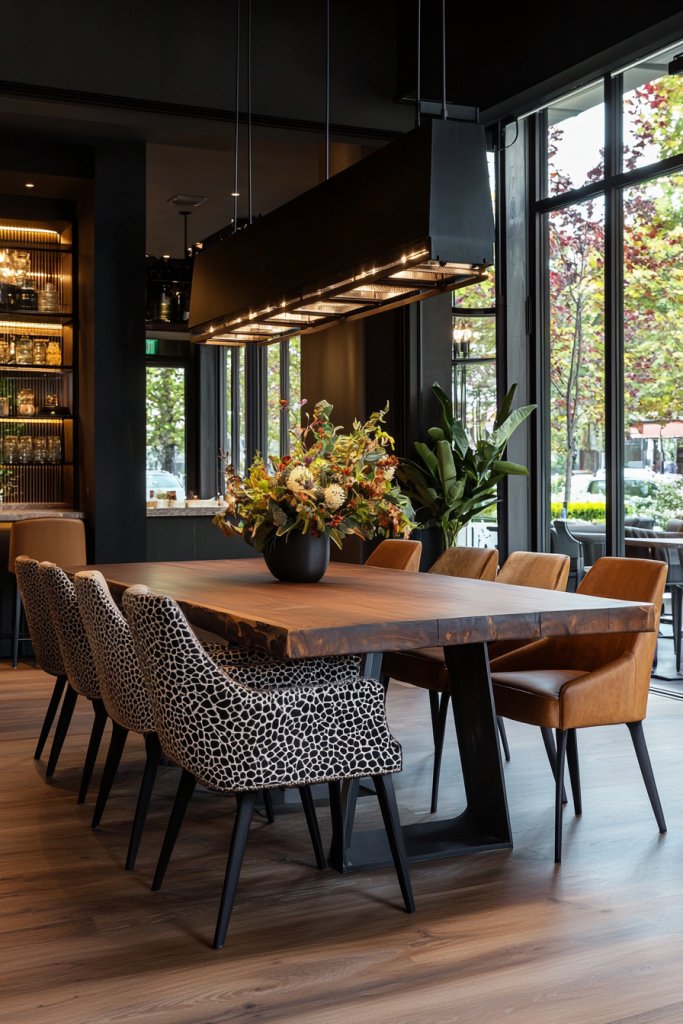
Mixing dining chairs adds personality and a relaxed, collected feel that rigid matching sets cannot achieve. Pair upholstered host chairs at each end of the table with wooden side chairs along the length for a balanced, layered look.
Tie mismatched chairs together by repeating one consistent element, such as a shared cushion color or matching leg finish. Limit your chair mix to two or three styles maximum to keep the look intentional rather than chaotic.
8. Layer Your Table Settings

A layered table setting elevates every meal and signals to guests that the occasion matters. Stack a charger plate beneath a dinner plate, then add a folded linen napkin and a single decorative element like a sprig of eucalyptus on top.
Choose tableware in tones that complement your dining room color palette to create a cohesive, styled look. Store your layered basics together so setting a beautiful table becomes a quick, effortless habit rather than a time-consuming task.
9. Install Open Wall Shelving

Open shelving along one dining room wall creates functional storage while acting as a dynamic display surface. Style shelves with a mix of stacked plates, glassware, small plants, and decorative objects to balance practicality with visual interest.
Paint the wall behind your shelves in a contrasting or complementary color to make the display pop. Keep shelves edited and intentional, removing clutter regularly so the arrangement always looks styled rather than overloaded.
10. Style a Table Centerpiece

A well-chosen centerpiece grounds the dining table and sets the visual tone for the entire room. A low arrangement of candles, seasonal blooms, or sculptural objects keeps sightlines clear while adding color and texture at table level.
Keep your centerpiece low enough that guests can maintain easy eye contact across the table during conversation. Swap out your centerpiece seasonally to refresh the dining room’s look without investing in new furniture or paint.
11. Design a Dining Nook

A built-in or styled dining nook creates a cozy, defined eating area that feels warm and intentionally designed. Upholstered bench seating along one wall, paired with a round table and loose chairs, builds a relaxed and inviting corner.
Add cushions and throw pillows to bench seating in durable, washable fabrics that hold up to everyday dining use. Mount a pendant light directly above the nook to define the space and reinforce its cozy, intimate character.
12. Display Bold Wall Artwork

A single oversized artwork on the dining room wall creates an immediate focal point and communicates your design sensibility. Abstract canvases, botanical prints, and landscape photography all work beautifully in a dining setting when scaled correctly to the wall.
Choose artwork that incorporates at least one color from your existing dining room palette to tie the room together. Hang the center of the artwork at eye level, approximately 57 to 60 inches from the floor, for the most balanced placement.
13. Hang Mirrors to Expand Space

A well-placed mirror in the dining room reflects light and makes the space feel significantly larger and brighter. A large rectangular mirror on one wall doubles the visual depth of the room and amplifies natural light from opposite windows.
Position your mirror to reflect something beautiful, such as a window view, a chandelier, or a styled shelving display. Choose a mirror frame that complements your existing furniture finishes to keep the look cohesive and intentional.
14. Add Vintage Furniture Pieces

Vintage pieces bring soul and history into a dining room that new furniture alone cannot replicate. A reclaimed wood sideboard, an antique chandelier, or a set of retro cane chairs each add character and a sense of story to the space.
Source vintage pieces from local markets, estate sales, or specialist dealers to find items with genuine patina and quality. Pair one or two vintage finds with contemporary pieces to create a layered, collected look rather than a costume-era feel.
15. Play With Bold Patterns

Patterns inject energy and visual interest into a dining room that risks feeling flat or predictable. Introduce pattern through a geometric area rug, printed chair upholstery, or patterned wallpaper on a single feature wall behind the table.
Balance bold patterns with solid, neutral elements in your furniture and tableware to prevent the room from feeling overwhelming. Repeat a color from your chosen pattern in at least two other elements across the room to create visual harmony.
16. Add Personal Styling Touches

Personal touches transform a styled dining room into a space that feels genuinely lived-in and reflective of your personality. Family heirlooms, travel souvenirs displayed on shelves, and custom artwork all add meaning that generic decor cannot provide.
Edit your personal items carefully and display only the pieces that genuinely bring you joy or spark conversation with guests. Group meaningful objects together in styled vignettes rather than scattering them randomly across surfaces throughout the room.
17. Style a Sideboard Display

A sideboard or buffet along the dining room wall provides essential storage while offering a prime surface for decorative styling. Top your sideboard with a mirror, a pair of table lamps, and a curated arrangement of objects to create a polished focal point.
Choose a sideboard height between 30 and 36 inches to keep the proportions comfortable and practical for serving during meals. Use the interior storage to hide table linens, candles, and extra tableware so your dining room stays visually clean.
18. Transform Walls With Treatments

Wall treatments add dimension and character to a dining room far beyond what a coat of paint alone achieves. Grasscloth wallpaper, timber paneling, painted wainscoting, and limewash finishes each bring a distinct texture and depth to the room.
Apply a statement wall treatment to the wall behind the dining table to create a focused backdrop for the entire space. Choose a treatment that complements your furniture tones so the walls enhance the room rather than compete with it.
19. Decorate With Seasonal Themes

Refreshing your dining room decor with the seasons keeps the space feeling current, relevant, and alive throughout the year. Warm amber tones and dried botanicals suit autumn gatherings, while crisp whites and soft blues create a fresh summer dining atmosphere.
Focus your seasonal updates on easy-to-swap elements like table runners, centerpieces, candle colors, and cushion covers. Keep a small storage box of seasonal decor items so refreshing your dining room takes minutes rather than hours.
20. Style With Colorful Dinnerware

Colorful dinnerware adds instant personality to the dining table and makes everyday meals feel like a special occasion. Mix bold dinner plates with neutral serving bowls, or build a collection of complementary shades that you rotate across different settings.
Display your most beautiful dinnerware pieces on open shelving or in a glass-fronted cabinet so they contribute to the room’s decor daily. Choose colors that complement your dining room palette so your tableware feels like a deliberate part of the overall design.
21. Style With Functional Decor

Functional decor pieces serve a practical purpose while simultaneously enhancing the room’s visual appeal. A beautiful wooden serving board, a sculptural fruit bowl, or a set of elegant candlesticks each earn their place on the dining table or sideboard.
Prioritize pieces that you use regularly so your dining room stays styled without requiring constant resetting between uses. Choose functional items in materials like marble, brass, or natural wood to ensure they look intentional and elevated at all times.
22. Create a Rustic Dining Look

A rustic dining room aesthetic centers on natural materials, warm tones, and an unpretentious, grounded sense of comfort. Raw timber tables, linen textiles, wrought iron light fixtures, and exposed brick walls all contribute to an authentic rustic character.
Introduce rustic elements gradually, starting with a reclaimed wood table or a set of woven rattan chairs as your foundation. Balance rough textures with softer elements like linen curtains or upholstered seating to keep the space warm rather than stark.
23. Hang Dramatic Window Drapery

Floor-to-ceiling drapery adds drama, softness, and a sense of grandeur to any dining room regardless of its size. Velvet drapes in deep tones like forest green or burgundy frame the window beautifully and introduce rich color to the walls.
Hang your curtain rod as close to the ceiling as possible and let the fabric pool slightly on the floor for maximum visual impact. Choose a fabric weight that suits your room’s light needs, using sheer underlayers to soften brightness without blocking the view.
24. Build a Wine Display

A curated wine display in the dining room adds a sophisticated, convivial touch that signals the space is made for entertaining. Wall-mounted wine racks, a dedicated wine cabinet, or a styled trolley with bottle storage each create a functional and attractive feature.
Position your wine display near the sideboard or buffet so serving during a dinner party feels seamless and natural. Style the area around your wine storage with glasses, a decanter, and a small plant to create a complete and polished vignette.
25. Style With Scented Candles

Scented candles add an atmospheric, multi-sensory layer to the dining room that elevates the experience of every gathering. Warm fragrances like amber, sandalwood, and vanilla complement the intimacy of a dinner setting and make guests feel immediately at ease.
Group candles of varying heights together on the table or sideboard to create a flickering, layered display with visual depth. Choose candles in vessels that complement your dining room color palette so they look beautiful even when unlit during the day.
Start with one or two of these ideas and build your dining room styling gradually from there. Each intentional change moves the space closer to a room that genuinely reflects your style and welcomes every guest warmly.