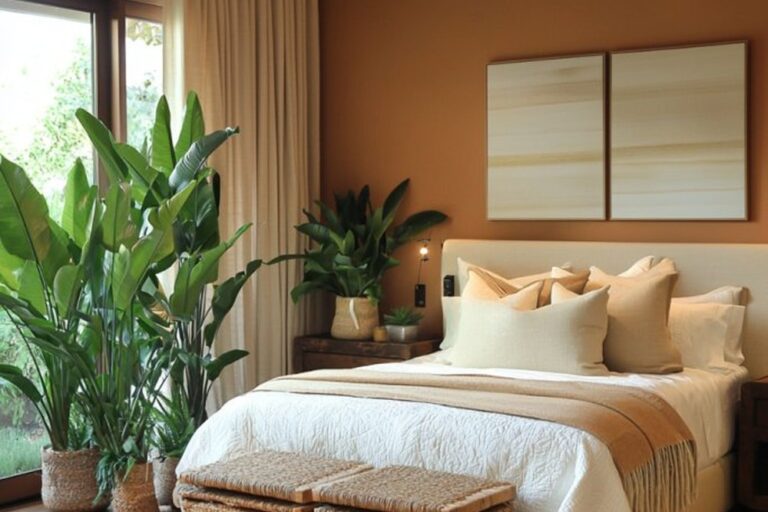
25 Bedroom Layout Ideas That Make Any Room Flow Better (Avoid This Common Mistake)
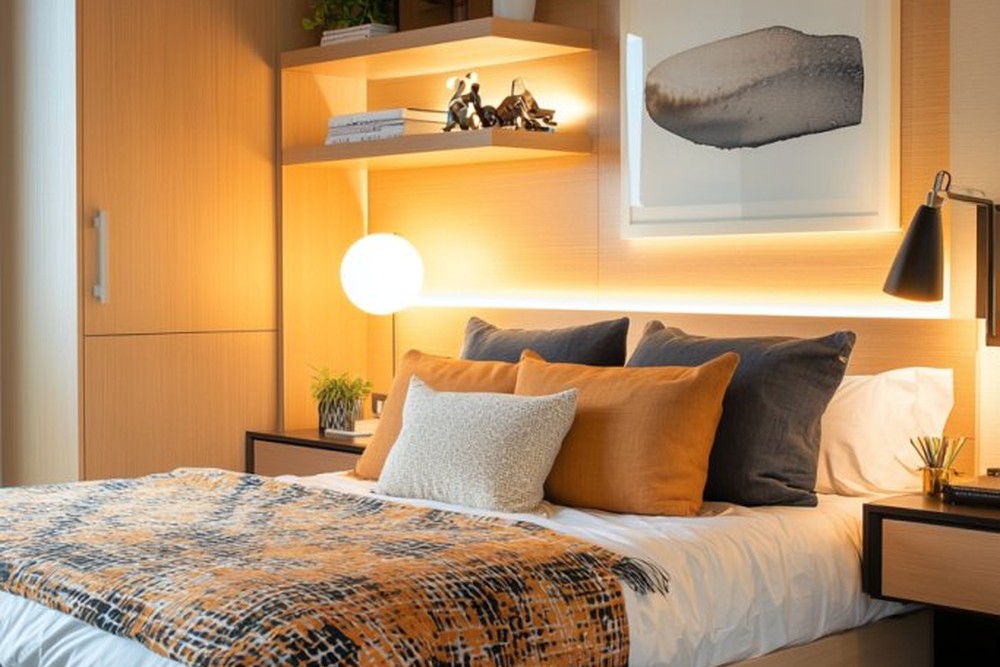
A well-designed bedroom layout transforms your space into a functional retreat that feels both comfortable and intentional. Smart furniture placement, thoughtful zoning, and creative styling choices make every square foot work harder for you.
Bedroom layout design goes far beyond simply fitting furniture into a room. Every decision you make about placement, scale, and flow directly shapes how you feel inside that space each day.
A functional bedroom balances practical needs with visual comfort, giving you room to move freely while keeping everything you need within easy reach. Understanding a few key design principles helps you create a space that supports rest, relaxation, and everyday living.
1. Multi-Functional Small Bedroom Furniture
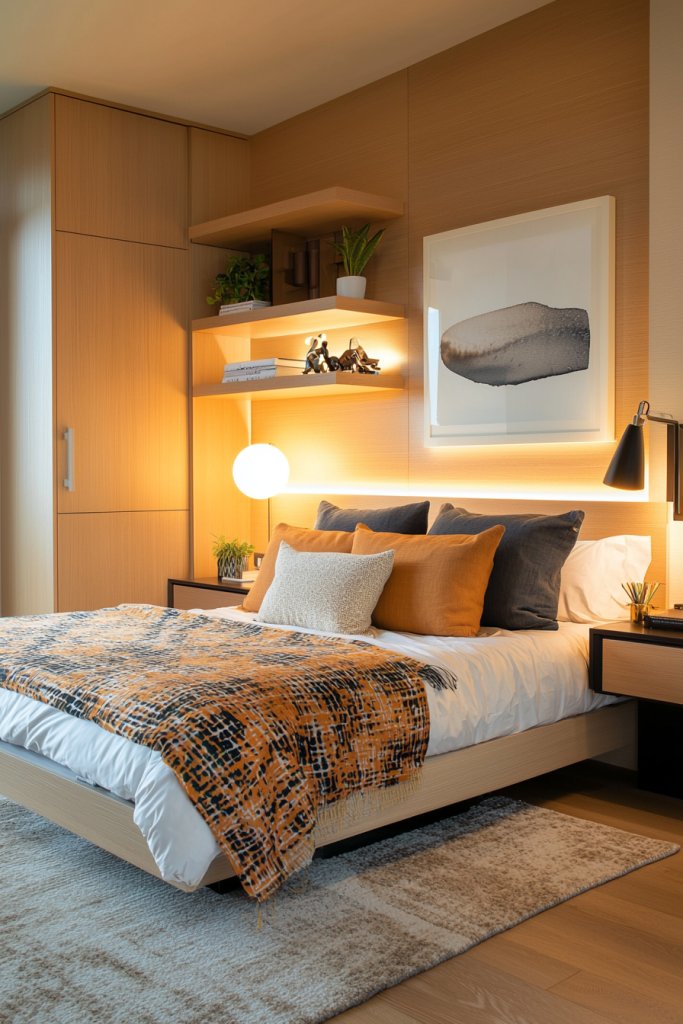
Multi-functional furniture turns a small bedroom into a space that feels open and organized. A platform bed with built-in drawers offers hidden storage, while a desk that doubles as a nightstand keeps surfaces clear and purposeful.
Choose pieces that serve at least two roles, such as an ottoman with interior storage or a bookshelf that acts as a room divider. Foldable furniture like a drop-leaf table gives you flexibility without permanently claiming floor space.
2. The Power of a Focal Point: Bed Placement Tips
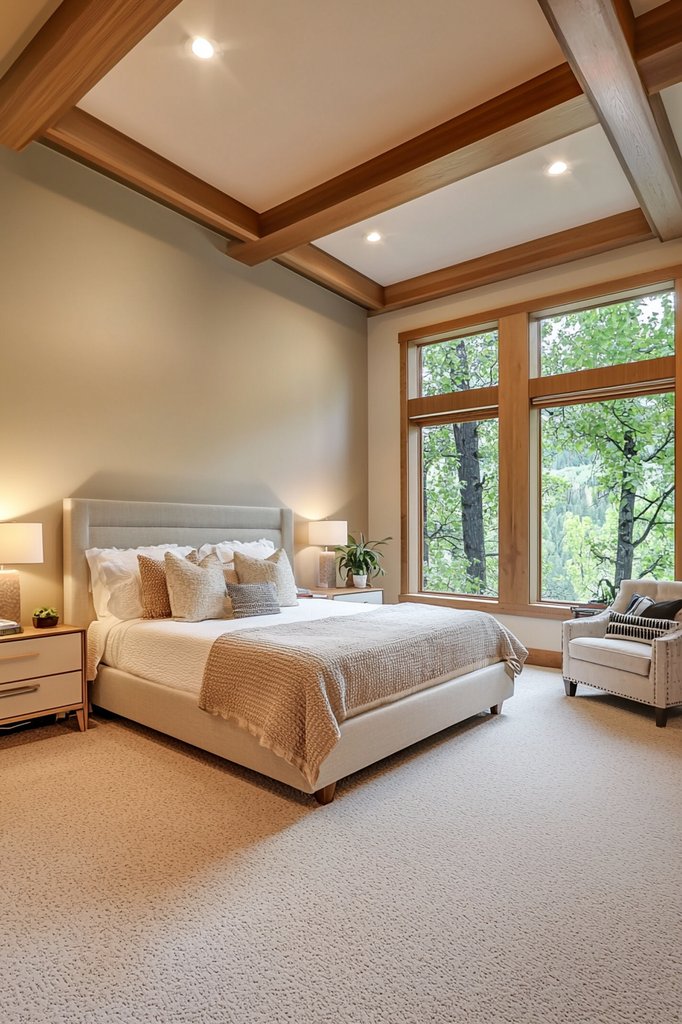
A well-placed bed anchors the entire bedroom and gives every other furniture decision a clear starting point. Positioning the bed against a solid wall creates a sense of security and opens up natural pathways around the room.
Add a statement headboard to draw the eye and give the wall visual weight. Place matching nightstands on either side to build symmetry and reinforce the bed as the room’s central design feature.
3. Cozy Corner Nook Seating Ideas
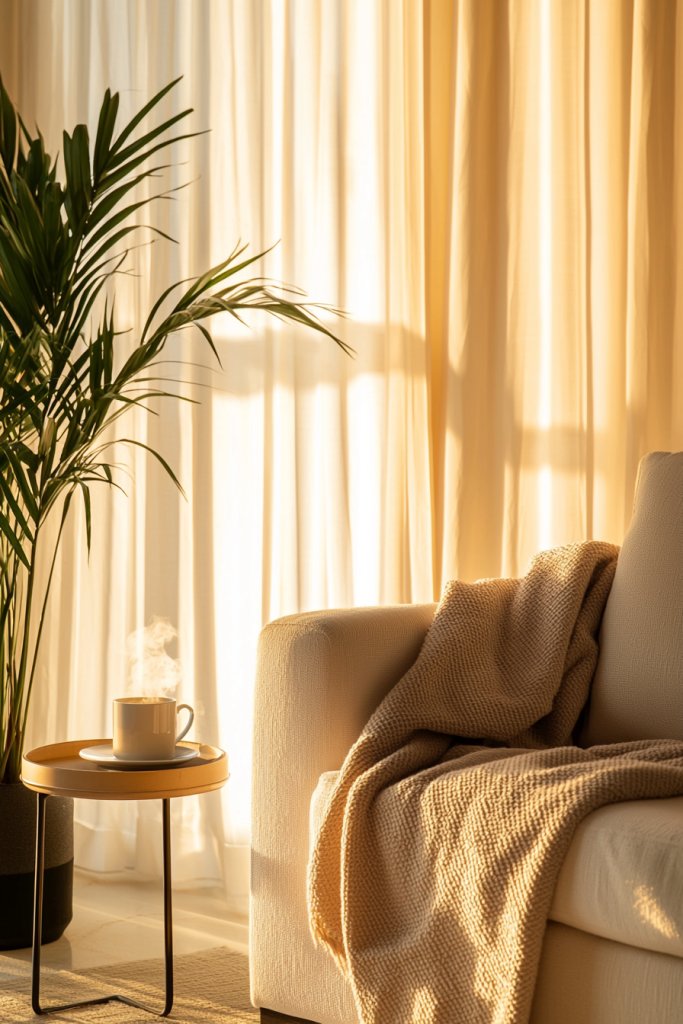
A corner nook turns an overlooked area of your bedroom into a charming and purposeful spot. A plush armchair or chaise lounge tucked into the corner creates an inviting space for reading or quiet morning moments.
Pair your corner seat with a slim side table and a small floor lamp to make the nook feel complete and functional. Add a soft throw and a few decorative cushions to layer in texture and warmth.
4. Vertical Wall Storage Solutions
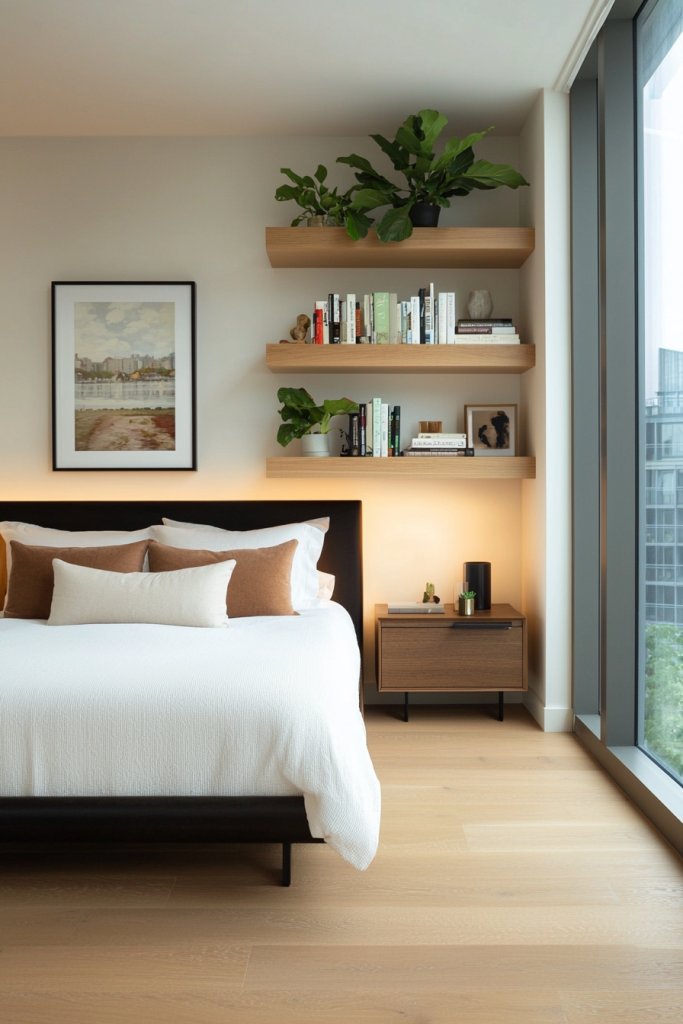
Tall shelving units and wall-mounted storage draw the eye upward and free up valuable floor space in your bedroom. Vertical storage makes a room feel taller while keeping your belongings neatly organized and accessible.
Install floating shelves above furniture like dressers or desks to maximize every inch of wall height. Use matching baskets or boxes on upper shelves to store items you access less frequently while keeping the look cohesive.
5. Open Concept Master Suites: Blending Bedroom Living Zones
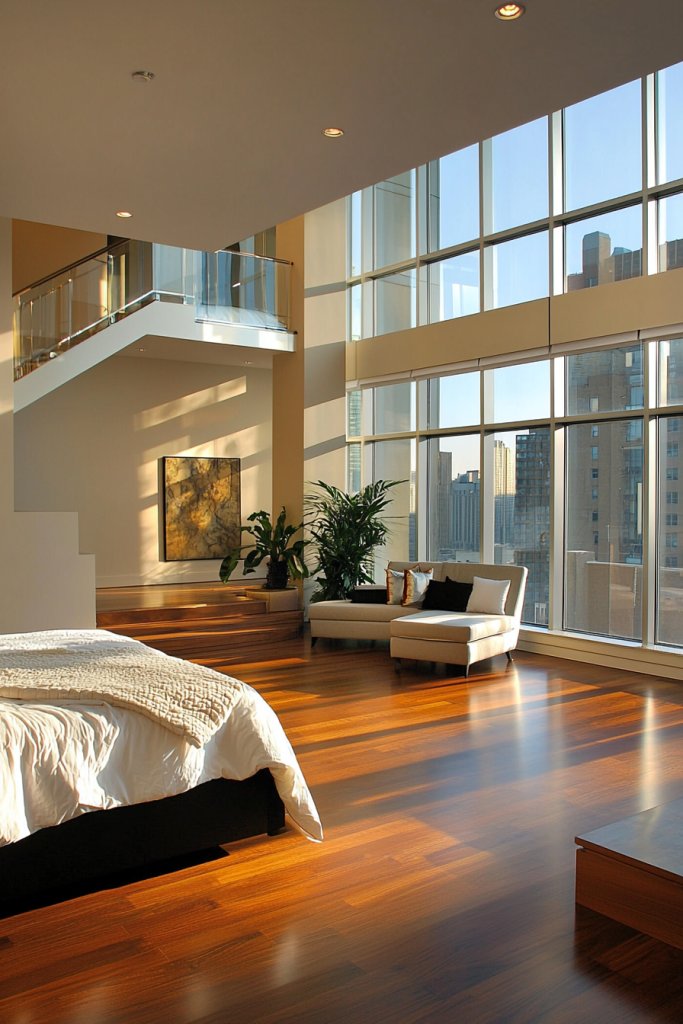
Open concept master suites blend sleeping and living areas into one expansive, flowing space. Thoughtful furniture arrangement and visual zoning techniques keep each area feeling distinct without relying on physical walls.
Use a large area rug to anchor the sleeping zone and a different flooring treatment or furniture grouping to define the lounge area. Consistent color tones across both zones tie the whole suite together visually.
6. Symmetrical Bedroom Layout Benefits
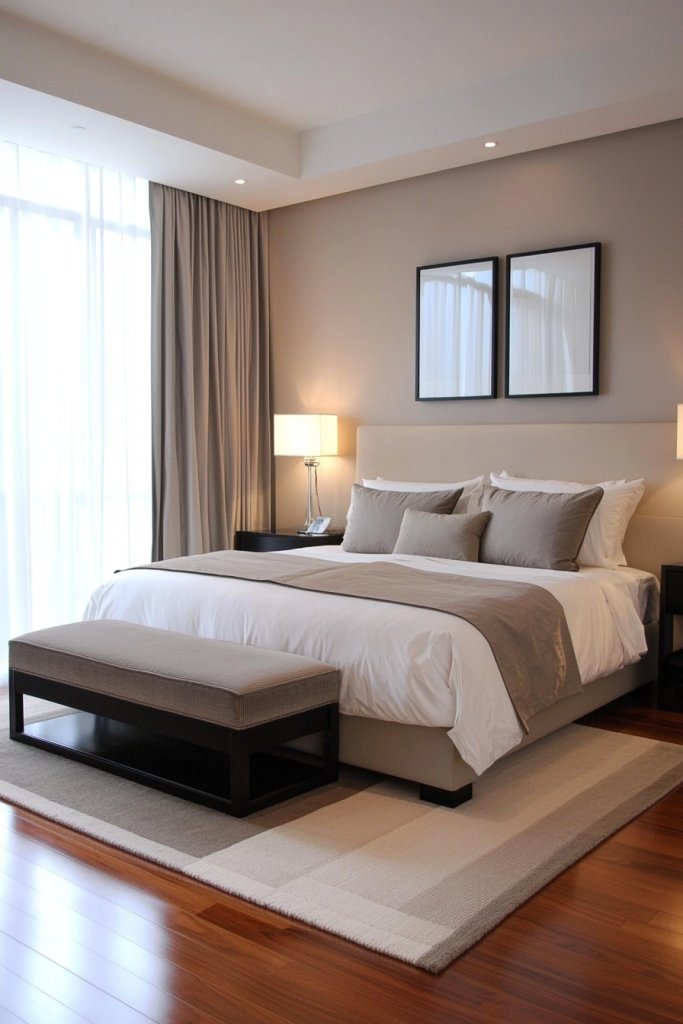
A symmetrical bedroom layout creates an immediate sense of calm and visual order that makes the room feel balanced and restful. Matching furniture on either side of the bed, such as identical nightstands and lamps, reinforces this pleasing equilibrium.
You do not need to spend a large budget to achieve symmetry in your bedroom. Pair similar items in complementary colors or finishes to create a balanced look without buying identical pieces.
7. Zoning the Bedroom: Sleep and Relaxation Areas
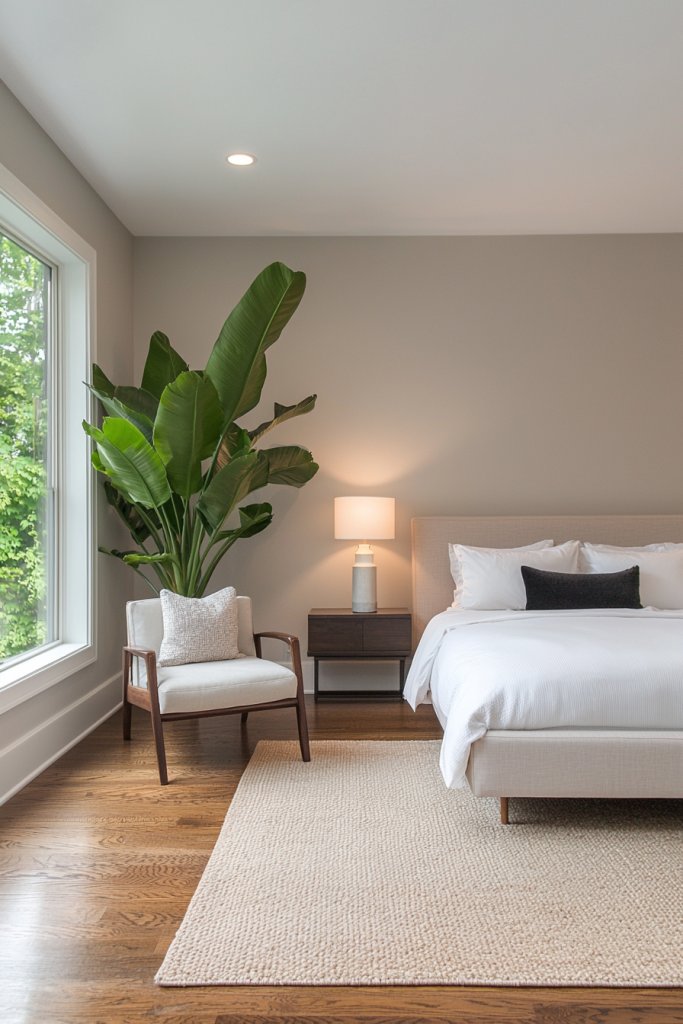
Zoning your bedroom separates sleeping and relaxation areas so each space serves its purpose effectively. A distinct sleep zone and a dedicated relaxation corner give the room a clear sense of intention and flow.
Use rugs, lighting, and furniture arrangement to mark each zone without building walls or permanent dividers. Position a comfortable chair and small table away from the bed to visually establish a separate relaxation area.
8. Natural Light Bedroom Positioning Strategy
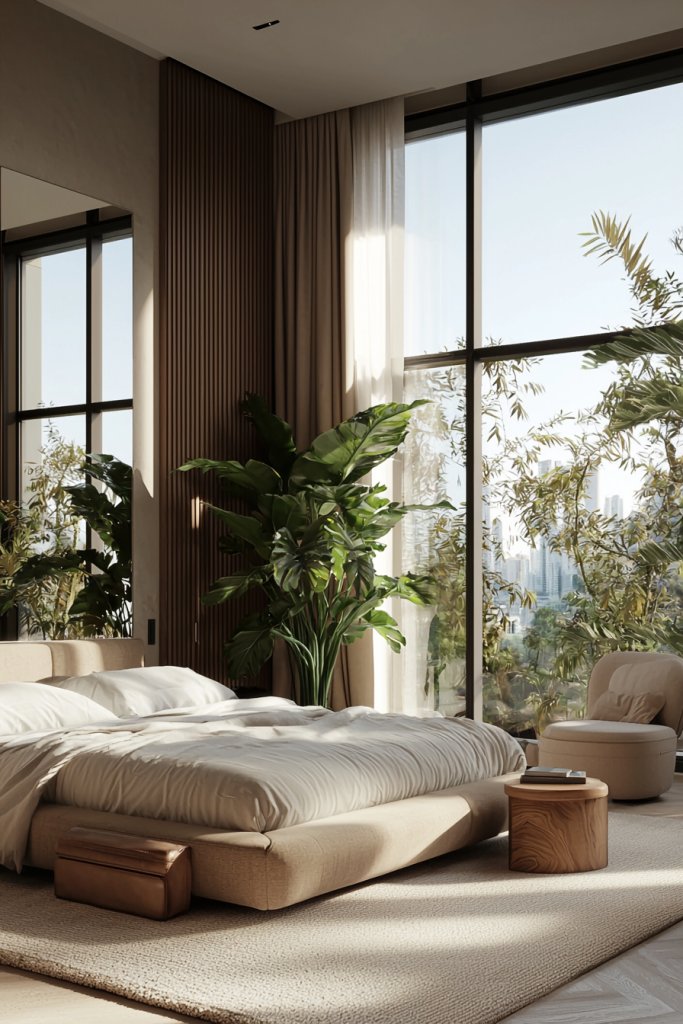
Strategic furniture placement helps you capture the maximum natural light your bedroom windows offer throughout the day. Keeping the area directly in front of windows clear allows sunlight to travel deeper into the room.
Position your bed or seating to face natural light sources so you wake up and relax in a bright, energizing environment. Use sheer curtains instead of heavy drapes to soften light without blocking it entirely.
9. Adding a Bedroom Workspace Layout
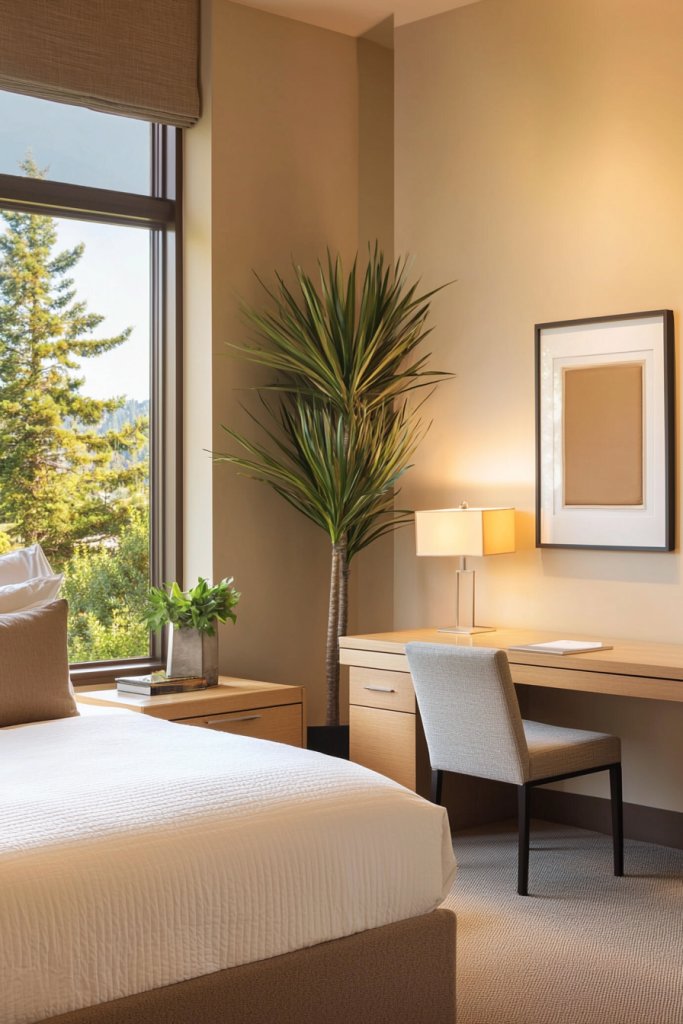
Incorporating a workspace into your bedroom layout requires careful placement to keep work and rest visually separate. A compact desk positioned near a window or along a side wall keeps the work area functional without dominating the room.
Use a small bookshelf or a curtain panel to visually divide the desk area from your sleeping zone. Choose a desk in a finish that matches your existing bedroom furniture so the workspace feels intentional rather than intrusive.
10. Layering Bedroom Rugs Stylishly
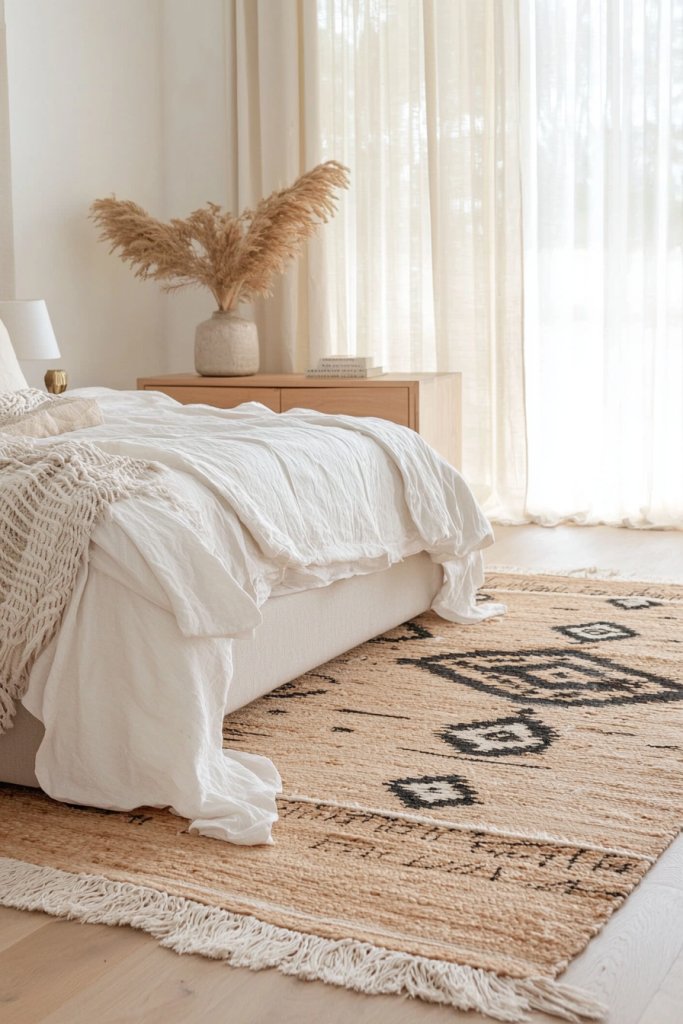
Layering rugs in a bedroom adds depth, texture, and a collected quality that makes the space feel warm and intentional. A large neutral base rug paired with a smaller printed or textured rug creates visual interest underfoot.
Place a smaller rug at the foot of the bed over a larger foundation rug to anchor the sleeping area beautifully. Choose complementary colors and textures rather than exact matches to keep the layered look relaxed and styled.
11. Color and Texture Room Definition
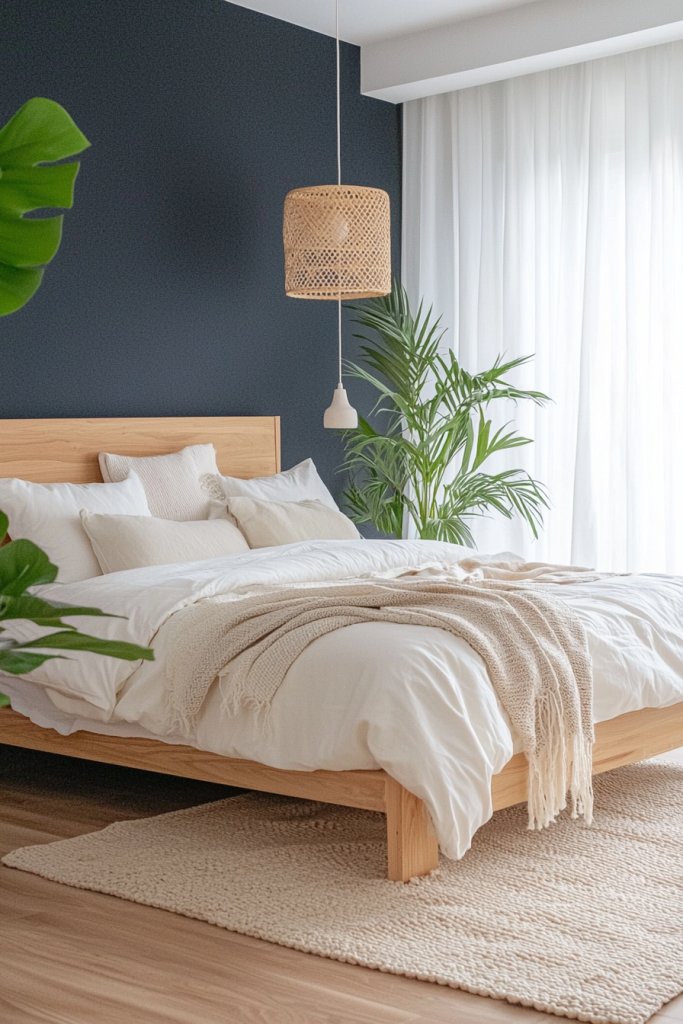
Color and texture work together to define different areas within a bedroom without requiring physical barriers or major renovation. A bold accent wall behind the bed signals the sleep zone, while softer tones on adjacent walls keep the overall feel calming.
Introduce texture through upholstered headboards, woven throws, and layered cushions to add dimension to the room. Vary your textures intentionally so each area of the bedroom has its own tactile and visual identity.
12. Bedroom Seating Area Comfort Ideas
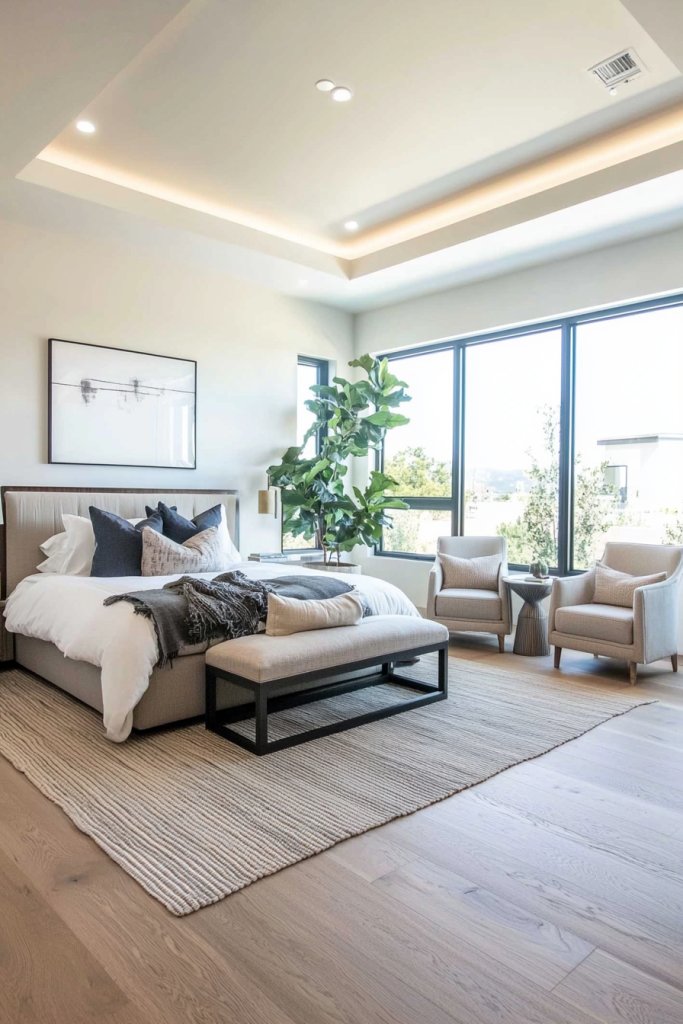
A dedicated seating area inside a bedroom elevates the space from a simple sleep room to a true personal retreat. Two accent chairs facing each other or a loveseat at the foot of the bed creates a natural spot to unwind.
Choose seating upholstered in a fabric that complements your bedding for a cohesive and styled look. Add a small coffee table or ottoman between seats to make the area feel like a fully realized relaxation zone.
13. Nightstand Design Functional Roles
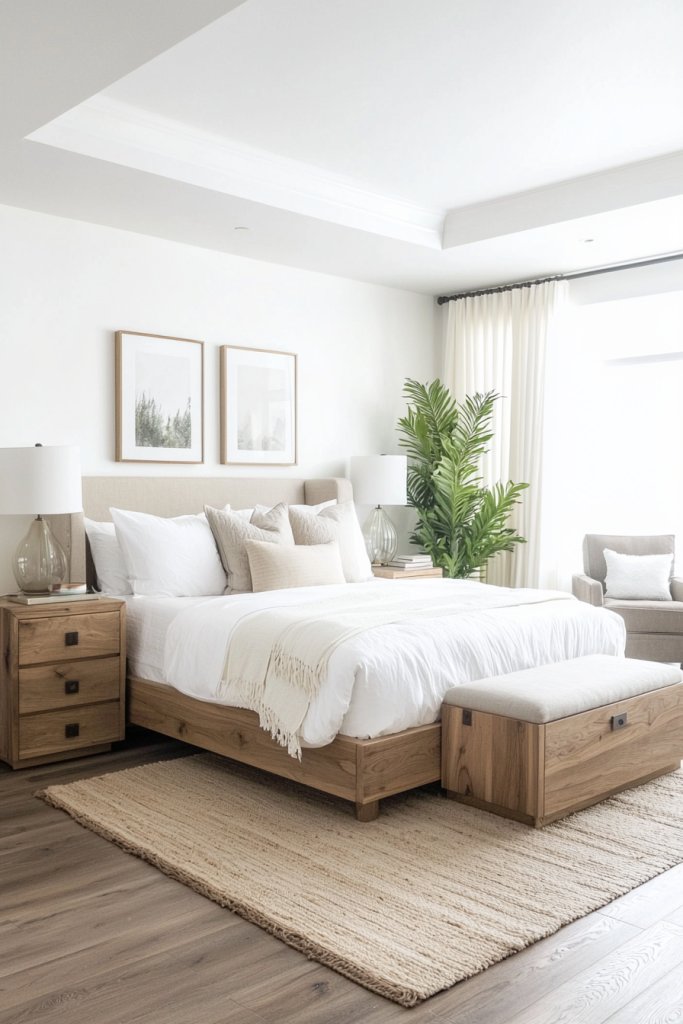
Nightstands do far more than hold a lamp and a glass of water in a well-designed bedroom. They anchor the bed visually, provide essential storage, and contribute significantly to the room’s overall style.
Choose nightstands with at least one drawer to keep bedside essentials organized and out of sight. Match their height to your mattress level so the surface sits comfortably within reach when you lie down.
14. Using Mirrors to Expand Space
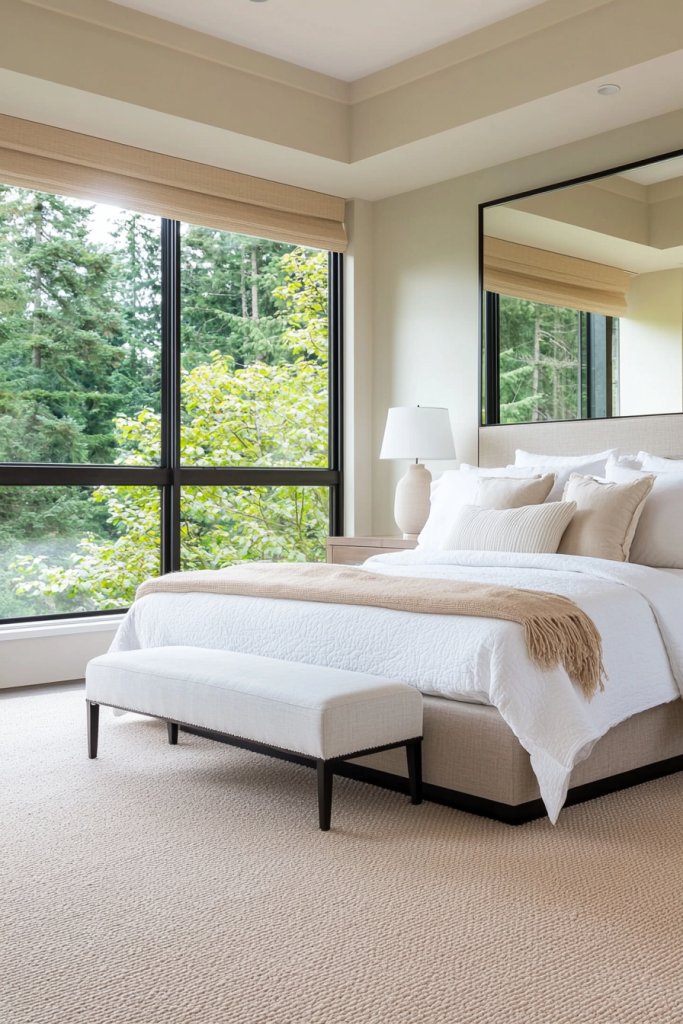
Mirrors reflect light and create the illusion of a larger, brighter bedroom with minimal effort and cost. A large mirror positioned opposite a window bounces natural light across the room and makes walls feel farther apart.
Lean an oversized floor mirror against a wall to add depth without committing to permanent installation. Choose a mirror with a frame that matches your existing furniture finishes to keep the look intentional and cohesive.
15. Sliding Doors: Smart Space-Saving Design
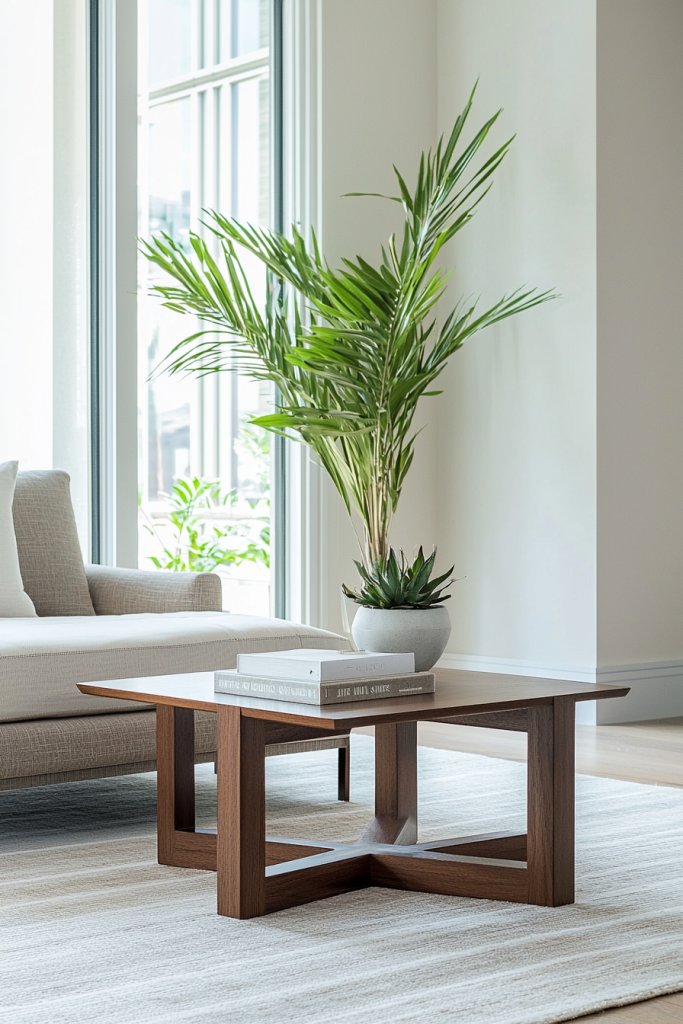
Sliding doors eliminate the swing clearance that traditional hinged doors require, immediately freeing up usable floor space in your bedroom. This makes them an especially smart choice for smaller rooms or tight layouts near closets and en suites.
Choose sliding doors with frosted glass panels to maintain privacy while still allowing light to pass between spaces. Select a track finish that coordinates with your hardware and furniture for a seamless, polished result.
16. Built-In Furniture Bedroom Storage
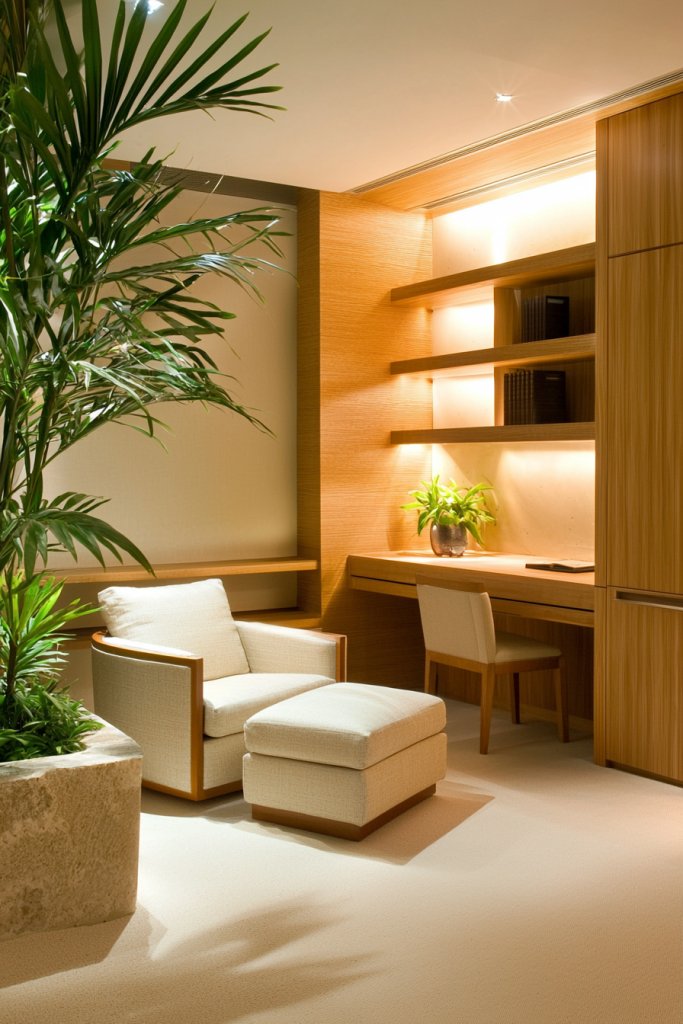
Built-in furniture makes use of every architectural inch in a bedroom, from floor to ceiling and wall to wall. Custom built-ins around a bed or along a full wall create storage and display space that feels entirely part of the room.
Commission a local carpenter to build simple shelving units into alcoves or recesses that your room already has. Paint built-ins the same color as your walls to make them feel architectural rather than added-on.
17. Designing for Couples: Shared Bedroom Space
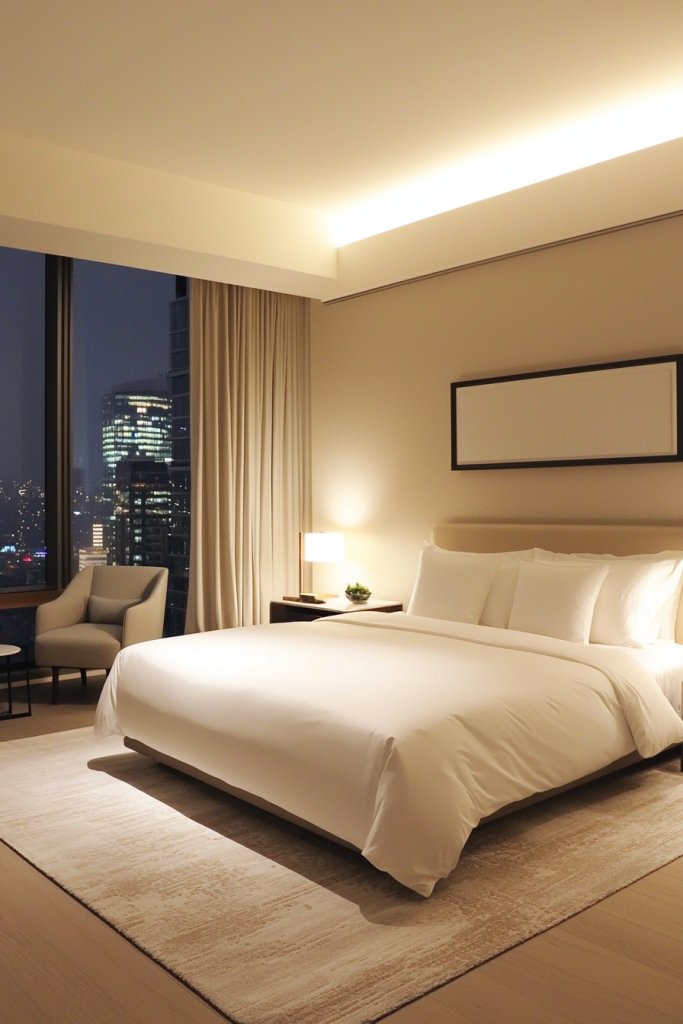
A shared bedroom must accommodate two people’s habits, storage needs, and style preferences without feeling chaotic or crowded. Thoughtful layout planning ensures each partner has their own clearly defined space within the shared room.
Give each person their own nightstand, reading light, and storage zone to establish personal territory within the shared layout. Agree on a unified color palette so individual styling choices still feel like part of one cohesive bedroom design.
18. Attic Bedroom Sloped Ceiling Design
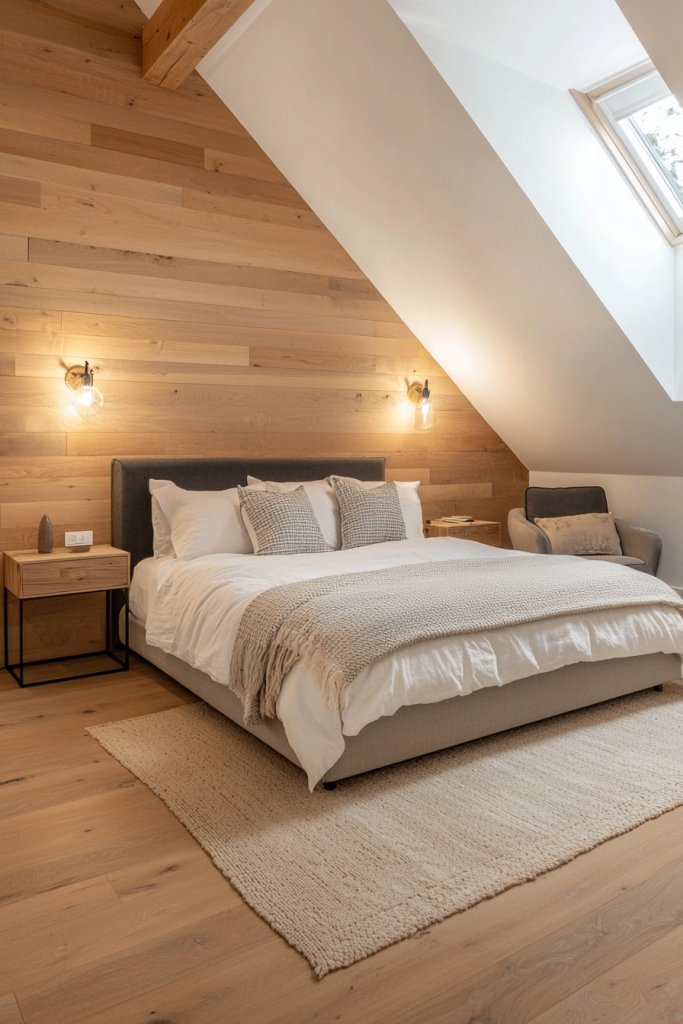
Attic bedrooms with sloped ceilings present unique design challenges that smart furniture placement can turn into charming features. Low-profile beds and furniture positioned under the highest points of the ceiling make the most of available headroom.
Use the lowest sloped areas for built-in storage, drawers, or a cozy reading nook that embraces the unusual architecture. Paint the ceiling and walls in the same light tone to visually unify the angled surfaces and make the room feel larger.
19. Bedroom Plants Fresh Interior Styling
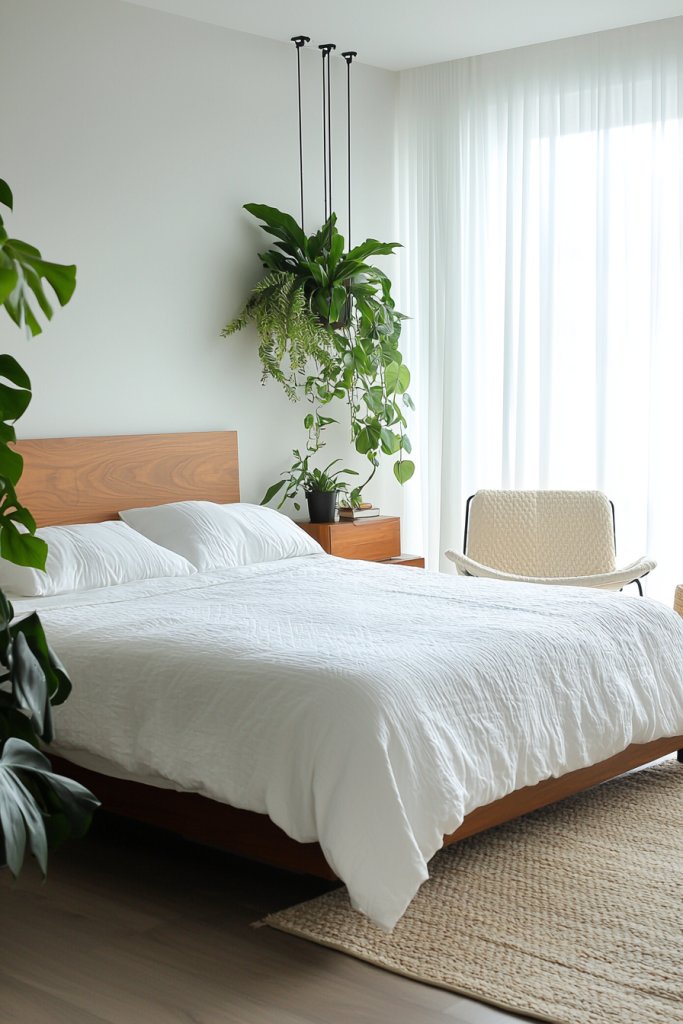
Indoor plants bring life, color, and a sense of calm into a bedroom without requiring a major redesign. A large leafy plant in a corner or a collection of small succulents on a windowsill immediately refreshes the room’s atmosphere.
Choose plants that thrive in lower light conditions, such as pothos, snake plants, or peace lilies, for bedroom environments. Place them at varying heights using plant stands and shelves to add vertical visual interest to your layout.
20. Bedroom Lighting Layout Impact
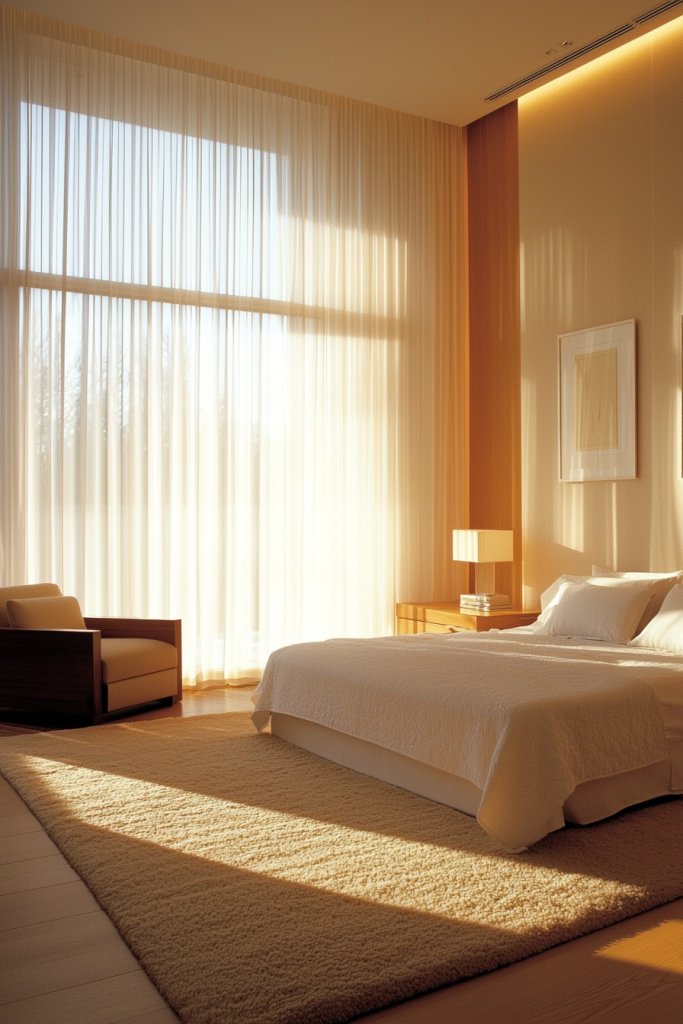
Lighting shapes how every element of your bedroom layout looks and feels throughout the day and night. Layered lighting that combines overhead fixtures, bedside lamps, and accent lights gives you full control over mood and function.
Install dimmer switches on your main bedroom light to shift easily between bright task lighting and soft evening ambiance. Position bedside lamps at the right height so they cast light directly onto your reading surface without glaring into your eyes.
21. Designing for Accessibility: Inclusive Bedroom Layout
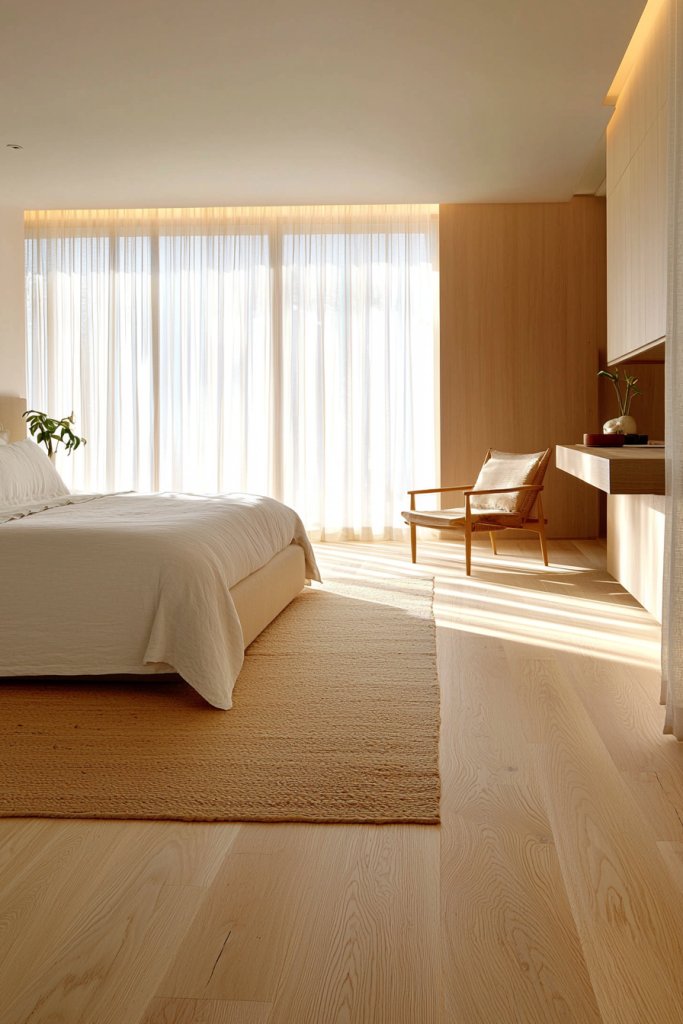
An accessible bedroom layout prioritizes clear pathways, reachable storage, and furniture placement that supports ease of movement for all users. Wide walkways of at least 36 inches around the bed accommodate mobility aids and improve overall flow for everyone.
Mount light switches, outlets, and storage at heights that work comfortably from both standing and seated positions. Choose furniture with rounded edges and stable bases to reduce hazards and make the room safer for all household members.
22. Minimalist Bedroom Design Approach
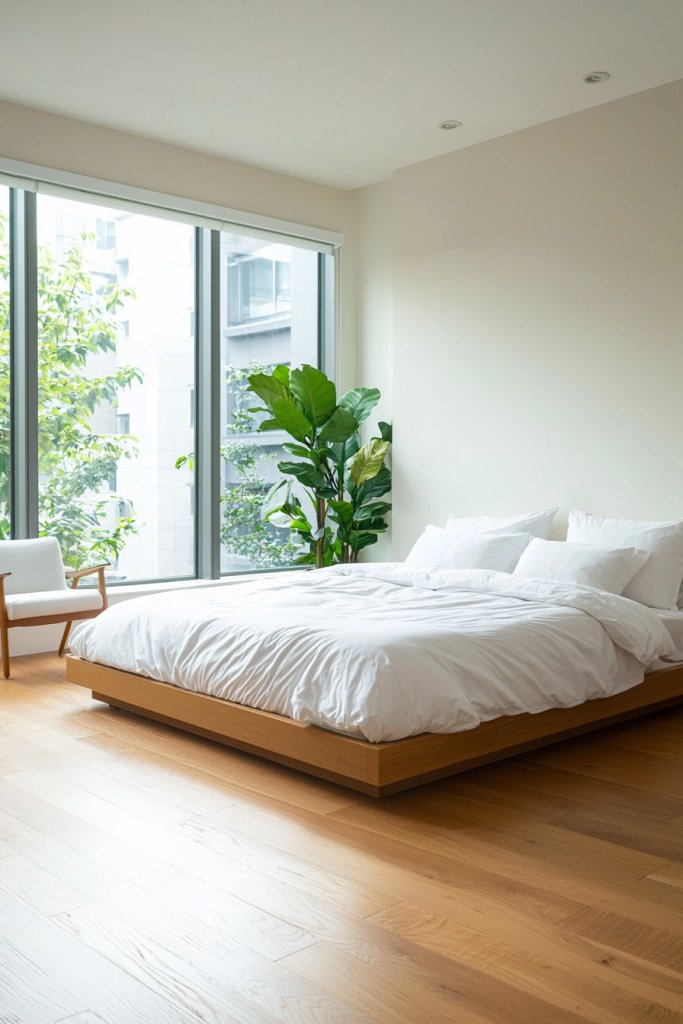
A minimalist bedroom approach keeps only what you use and love, creating a space that feels immediately calm and spacious. Fewer furniture pieces and a restrained color palette allow each carefully chosen item to stand out and serve a clear purpose.
Edit your bedroom furnishings down to the essentials, keeping one main storage piece, a bed, and one or two accent items. Choose furniture in clean lines and neutral tones so the room feels ordered and visually quiet at all times.
23. Layering for Comfort: Bedroom Textile Styling
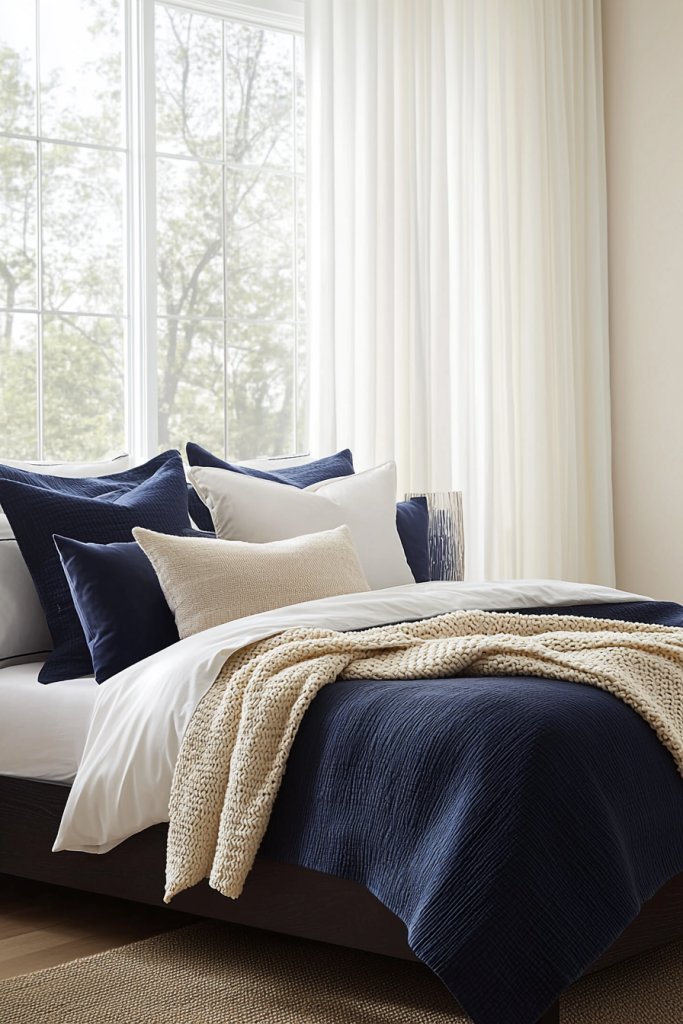
Thoughtfully layered bedding and textiles transform a plain bed into the visual and tactile centerpiece of your entire bedroom. Start with high-quality base sheets, add a duvet or quilt, then layer in throws and decorative cushions at the front.
Mix textures like linen, velvet, and cotton to create depth and interest across your bedding layers. Stick to a cohesive color story across all your textiles so the layered look feels curated rather than mismatched.
24. Custom Bedroom Layout Personal Retreat
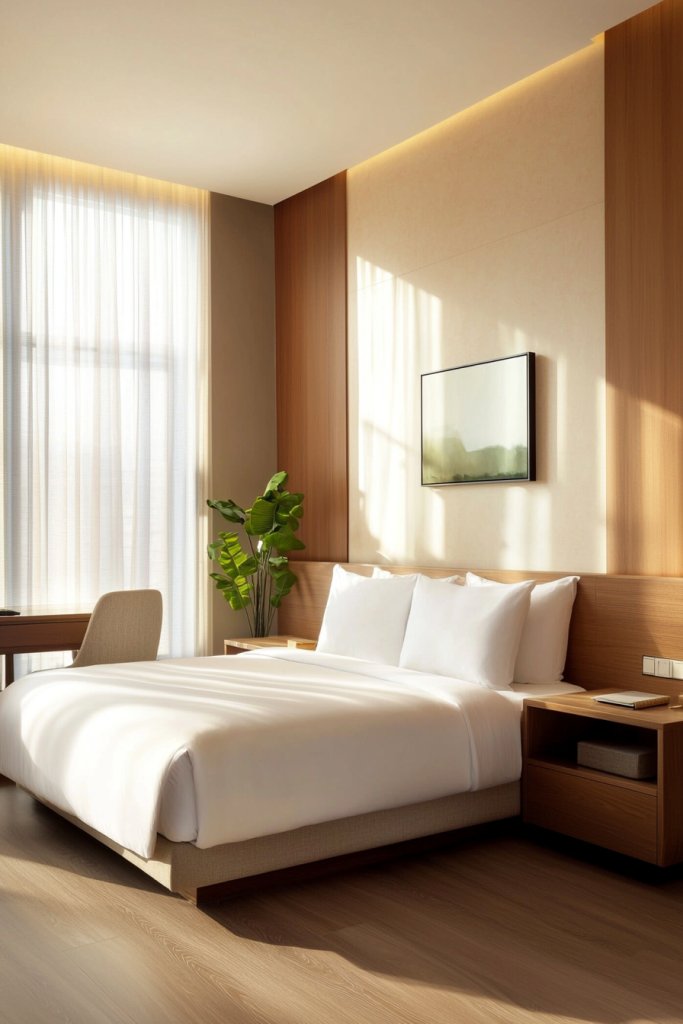
A custom bedroom layout reflects your personal habits, lifestyle, and aesthetic so the space feels genuinely yours. Designing around how you actually use the room, rather than following generic rules, produces a layout that functions beautifully every day.
Start by mapping out your daily bedroom routine and identifying which furniture placements best support those habits. Invest in one or two custom or personalized pieces, like a bespoke headboard or built-in wardrobe, to anchor the room’s identity.
25. Transitioning Between Spaces: Bedroom to Bathroom Flow
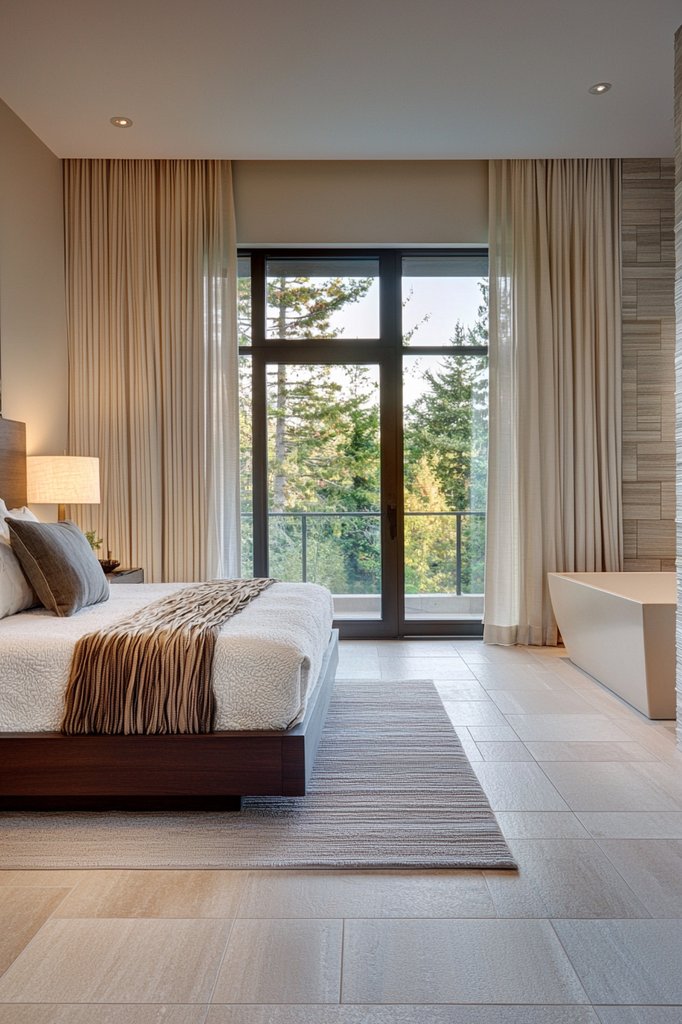
A smooth transition between your bedroom and bathroom depends on clear sightlines, consistent styling, and an unobstructed pathway between the two spaces. Matching flooring materials or a shared color palette across both rooms creates visual continuity and a sense of connected flow.
Keep the area between your bedroom and bathroom clear of furniture to maintain an easy, intuitive pathway. Repeat one or two design elements, such as the same hardware finish or a consistent tile color, to visually link both spaces together.
Start with one or two of these layout ideas and let each change build naturally toward the bedroom you want. Small, intentional improvements in furniture placement and styling create a space that genuinely supports rest and daily life.