A cabin living room should feel like a warm, grounding escape from the outside world. These 25 ideas will help you style every corner with natural charm, cozy layers, and personal character.
Natural materials, earthy tones, and layered textures form the backbone of any great cabin living room. The best cabin interiors balance rustic warmth with everyday comfort and function.
Small cabin spaces benefit most from thoughtful furniture choices and clever storage solutions. Every design decision should serve both style and comfort, making the room feel intentional rather than cluttered.
1. Natural Wood Textures

Exposed ceiling beams, reclaimed wood furniture, and raw stone accents give a cabin living room its signature grounded feeling. These elements layer rich texture across every surface, pulling the eye from floor to ceiling with organic warmth.
Anchor the room with a reclaimed wood coffee table or a set of chunky timber shelves to introduce that natural grain. Keep wall colors soft and muted so the raw materials remain the clear visual focus of the space.
2. Layered Cozy Textiles

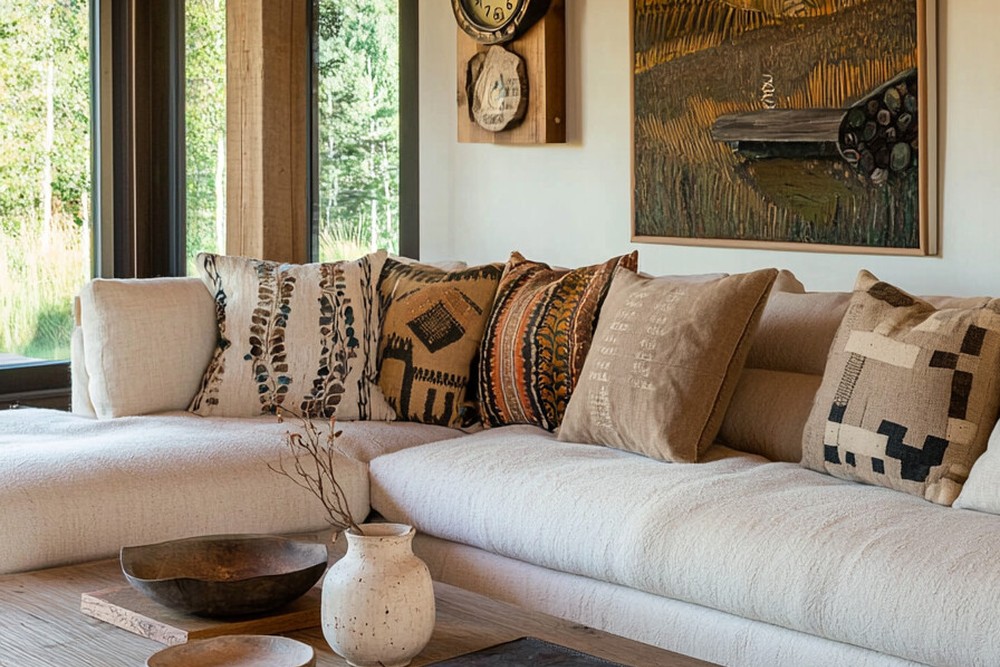
Woolen throws, chunky knit blankets, and plush cushions in earthy tones turn a cabin sofa into an irresistible place to settle in. Layering different fabric weights and patterns adds visual depth while wrapping the room in tactile comfort.
Drape a chunky knit throw over the back of the sofa and stack cushions in forest green, warm rust, and cream. Choose natural fibers like linen, cotton, and wool to keep the look connected to the cabin’s outdoor surroundings.
3. Stone Fireplace Focal Point

A stone fireplace commands the entire cabin living room with its rugged, sculptural presence and radiant warmth. River rock, slate, or stacked granite each bring a distinct character that anchors the rustic interior with authority.
Arrange seating in a tight curve facing the hearth to encourage conversation and draw full attention to the stonework. Style the mantel with simple natural objects like pine cones, wooden candle holders, and a single framed print.
4. Earthy Cabin Color Palette

Warm taupe, deep forest green, burnt sienna, and soft cream form a cabin color palette that feels rooted and calming. These tones reflect the surrounding landscape and make any living room feel like a natural extension of the outdoors.
Paint the walls in a warm greige or soft sage and let the furniture introduce deeper, richer accent colors. Pull one dominant earth tone through cushions, rugs, and curtains to create a cohesive, intentional color story.
5. Built-In Reading Nook

A reading nook tucked beside a window or into an alcove gives a cabin living room a sense of intimate, dedicated comfort. A cushioned bench, a small side table, and a warm pendant light above create a self-contained retreat within the room.
Line the surrounding walls with narrow floating shelves to store books and keep the nook feeling purposeful. Choose a thick seat cushion in a durable fabric like canvas or tweed to handle daily use without losing its shape.
6. Rustic Wood Furniture
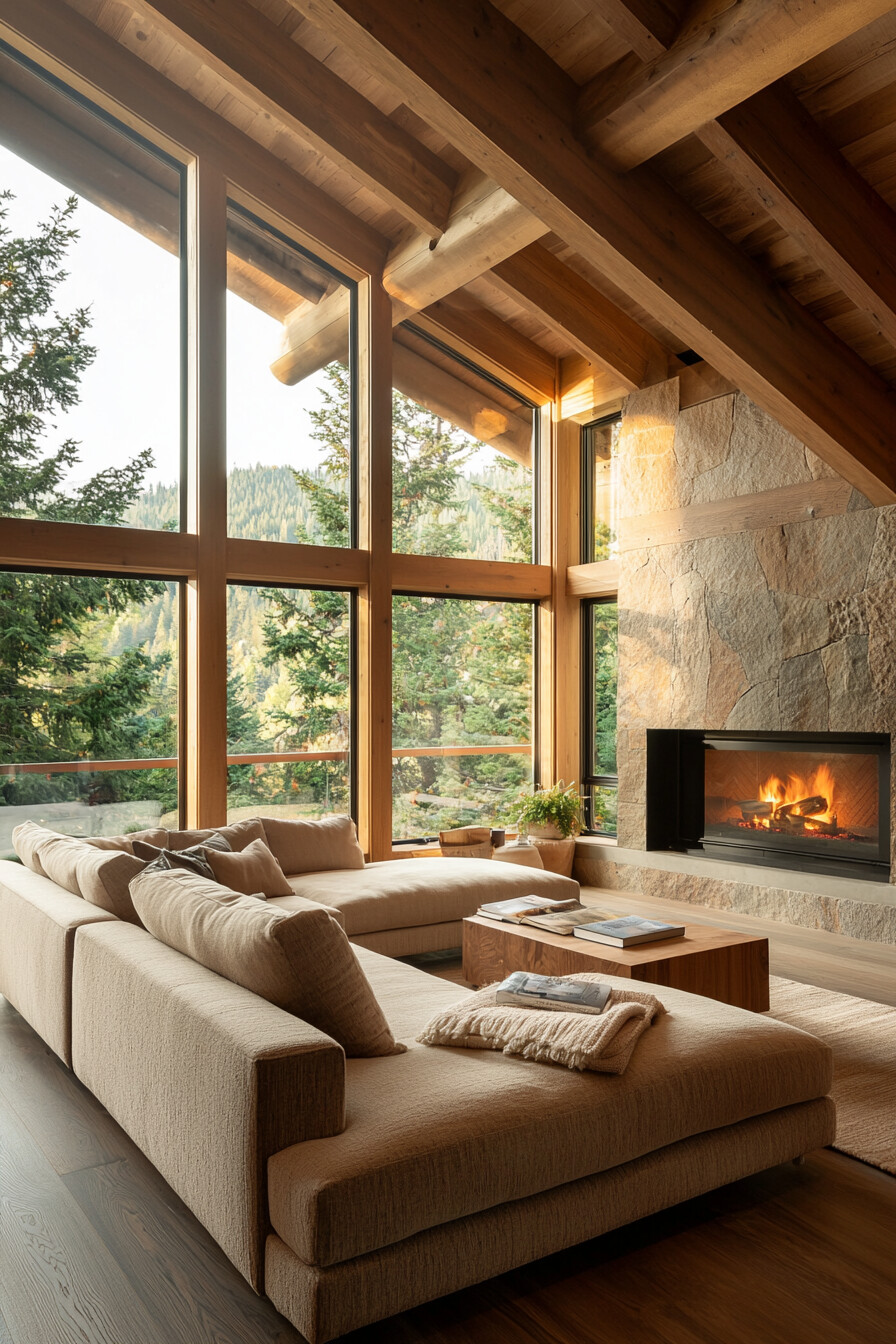
Solid wood armchairs, distressed side tables, and log-inspired coffee tables carry the rustic aesthetic through every corner of a cabin living room. The natural grain, knots, and imperfections in the wood add storytelling character that no manufactured finish can replicate.
Mix furniture finishes by pairing a dark walnut sofa table with lighter pine side chairs to add visual variety. Look for pieces with hand-hewn details or mortise and tenon joinery to reinforce the handcrafted, authentic cabin mood.
7. Maximizing Natural Light

Large windows, sheer curtains, and strategically placed mirrors work together to flood a cabin living room with natural light. Bright, airy interiors feel larger and more welcoming, which matters especially in compact cabin layouts.
Swap heavy drapes for lightweight linen panels that filter light softly without blocking the outdoor view entirely. Position a large mirror on the wall opposite the main window to bounce daylight deeper into the room.
8. Indoor Greenery Styling

Potted plants, trailing vines, and a simple vase of wildflowers bring the cabin’s outdoor surroundings directly into the living room. Greenery adds life, color, and a sense of freshness that no decorative accessory can quite replicate.
Place a large leafy plant like a fiddle leaf fig or a monstera in a corner that needs visual height. Group smaller succulents and herbs on open shelves to create a layered, natural display that feels collected over time.
9. Open Shelving Display

Open shelving in a cabin living room serves both storage and styling purposes, keeping everyday objects visible and within easy reach. Wooden floating shelves in particular complement the natural material palette while adding warmth to bare walls.
Style shelves with a mix of practical items and decorative objects, including books, lanterns, ceramic mugs, and small potted plants. Vary the heights and groupings to create a curated, organic arrangement rather than a rigid, uniform display.
10. Warm Cabin Lighting

Warm-toned bulbs, antler-style chandeliers, Edison string lights, and iron lantern pendants all reinforce the cozy ambiance of a cabin living room. The right lighting fixture adds decorative interest overhead while casting a soft, flattering glow across the space.
Layer lighting by combining a central overhead fixture with table lamps and wall sconces to avoid harsh single-source light. Choose fixtures made from natural materials like wrought iron, rope, or reclaimed wood to stay true to the rustic cabin theme.
11. Vintage Rustic Accents

Antique wooden crates, vintage maps, aged metal lanterns, and weathered picture frames add layers of nostalgic character to a cabin living room. These pieces carry a sense of history that makes the space feel genuinely lived-in and personally collected.
Source vintage finds from flea markets, estate sales, or antique shops rather than buying reproduction sets for a more authentic result. Place a single standout vintage piece, like an old trunk used as a coffee table, at the center of the room.
12. Multi-Functional Room Layout

A well-planned cabin living room serves multiple purposes, functioning as a lounge, a reading space, and an occasional dining or games area. Smart furniture placement and dual-purpose pieces make a compact cabin room feel surprisingly generous and adaptable.
Choose a storage ottoman that doubles as extra seating and a surface for trays or books. Position furniture away from the walls to create defined activity zones that give the room purpose and structure without making it feel divided.
13. Area Rugs Add Warmth

A large area rug in a cabin living room defines the seating zone, softens hard wood floors, and introduces pattern and texture at ground level. The right rug pulls the entire room together, acting as the visual foundation for all the furniture sitting above it.
Choose a wool or jute rug in a plaid, geometric, or nature-inspired pattern to reinforce the cabin aesthetic. Size the rug generously so that at least the front legs of every sofa and chair rest on it, anchoring the arrangement.
14. Nature-Inspired Wall Art

Wildlife prints, landscape paintings, botanical illustrations, and hand-drawn topographic maps all make strong wall art choices for a cabin living room. Art that references nature or the outdoors deepens the cabin theme while giving blank walls a clear sense of personality.
Choose one large statement piece for the main wall rather than scattering many small prints across multiple surfaces. Frame art in simple dark wood or black metal to complement the rustic material palette without competing with the image itself.
15. Cabin Gallery Wall

A gallery wall in a cabin living room works best when it mixes framed family photos, nature prints, vintage maps, and small mounted objects in a cohesive arrangement. The varied combination tells a personal story while filling a large wall with warmth and visual interest.
Lay the arrangement out on the floor first to test spacing and balance before committing any nail holes to the wall. Use a consistent frame finish, like raw wood or matte black, to unify the mix of images and keep the wall from feeling chaotic.
16. Wood Accent Wall Ideas

A wood accent wall behind the sofa or fireplace transforms a flat, plain surface into a rich, textural feature that defines the entire cabin living room. Shiplap, tongue-and-groove planks, and reclaimed barn wood each deliver a distinct finish with strong rustic appeal.
Stain the planks in a warm honey or deep walnut tone to add depth and contrast against lighter wall paint. Keep the surrounding walls simple and uncluttered so the wood feature wall commands the attention it deserves without visual competition.
17. Cabin Curtain Styles

Plaid flannel curtains, natural linen panels, and burlap-trimmed drapes all suit the cabin living room aesthetic with their relaxed, textural quality. The right curtains frame the window beautifully and soften the hard edges of timber walls and stone surfaces.
Hang curtain rods slightly above and beyond the window frame to make the window appear taller and wider than it is. Choose curtain colors that echo the room’s main earth tones to keep the windows integrated into the overall color scheme.
18. Coffee Bar Corner Setup

A dedicated coffee bar corner in a cabin living room adds a charming, functional vignette that makes the space feel both hospitable and personalized. A small console table or a section of open shelving works perfectly as the base for this cozy station.
Style the coffee bar with a wooden tray, a small French press, ceramic mugs, and a jar of ground coffee for a rustic, lived-in look. Add a small chalkboard sign or a potted herb above the setup to bring extra character to the corner.
19. Cabin Games Corner

A games corner in a cabin living room creates a dedicated social zone that encourages guests and family members to gather and play together. A compact table with low chairs, a stack of board games, and good overhead lighting make the setup both practical and inviting.
Choose a solid wood game table with storage underneath to keep the area tidy and double its functional value. Position the corner away from the main seating group so both areas feel independent and purposeful within the same room.
20. Throws and Pillow Layers
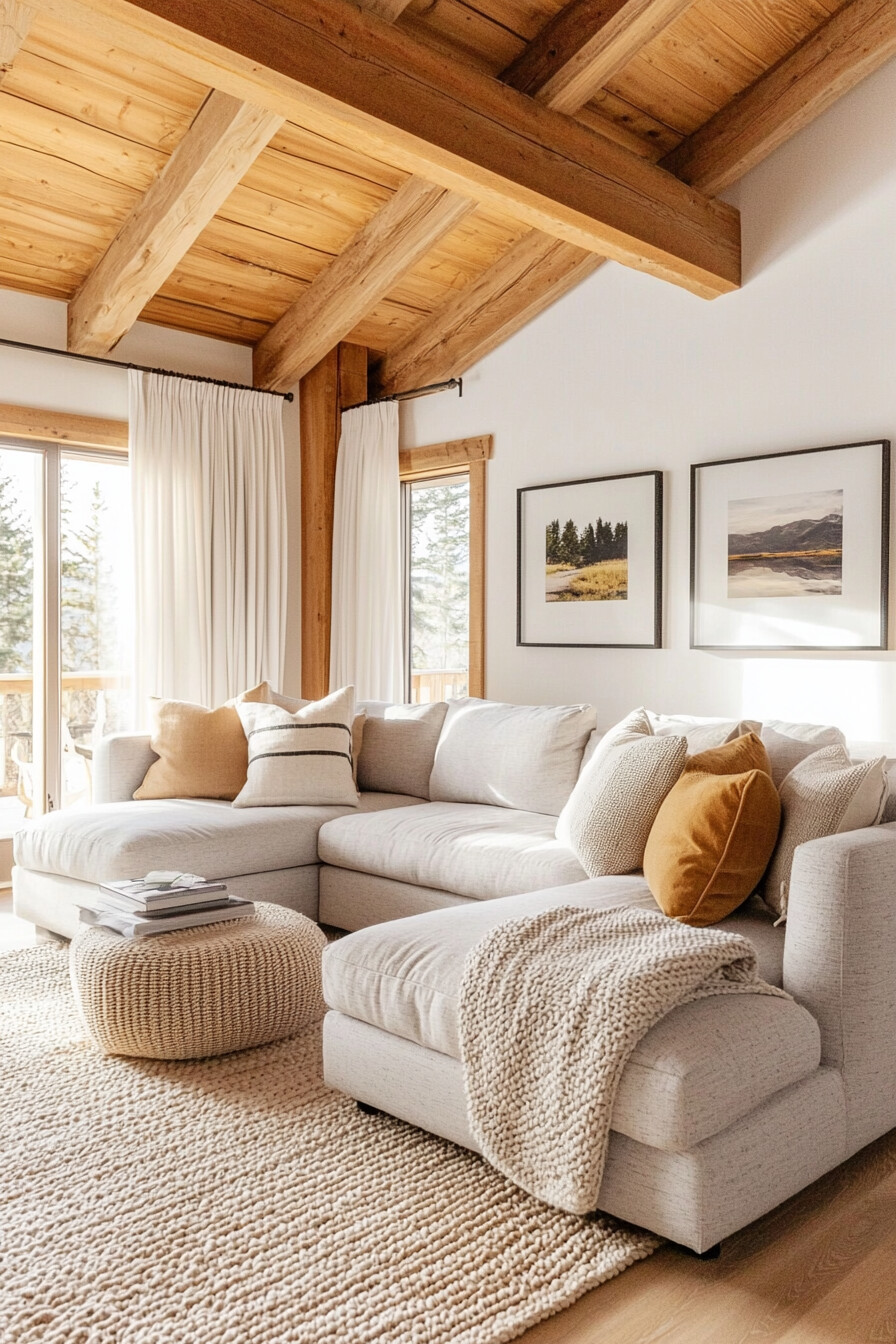
Soft throws and an abundance of pillows transform any cabin sofa or armchair into a deeply inviting resting spot that guests gravitate toward immediately. Mixing sizes, weights, and textures across pillows and blankets creates a layered, effortlessly cozy aesthetic.
Use an odd number of cushions on the sofa, combining a large lumber pillow, two medium square cushions, and one smaller accent pillow. Drape a folded throw casually over one armrest rather than folding it neatly to maintain that relaxed cabin feel.
21. Comfortable Seating Choices
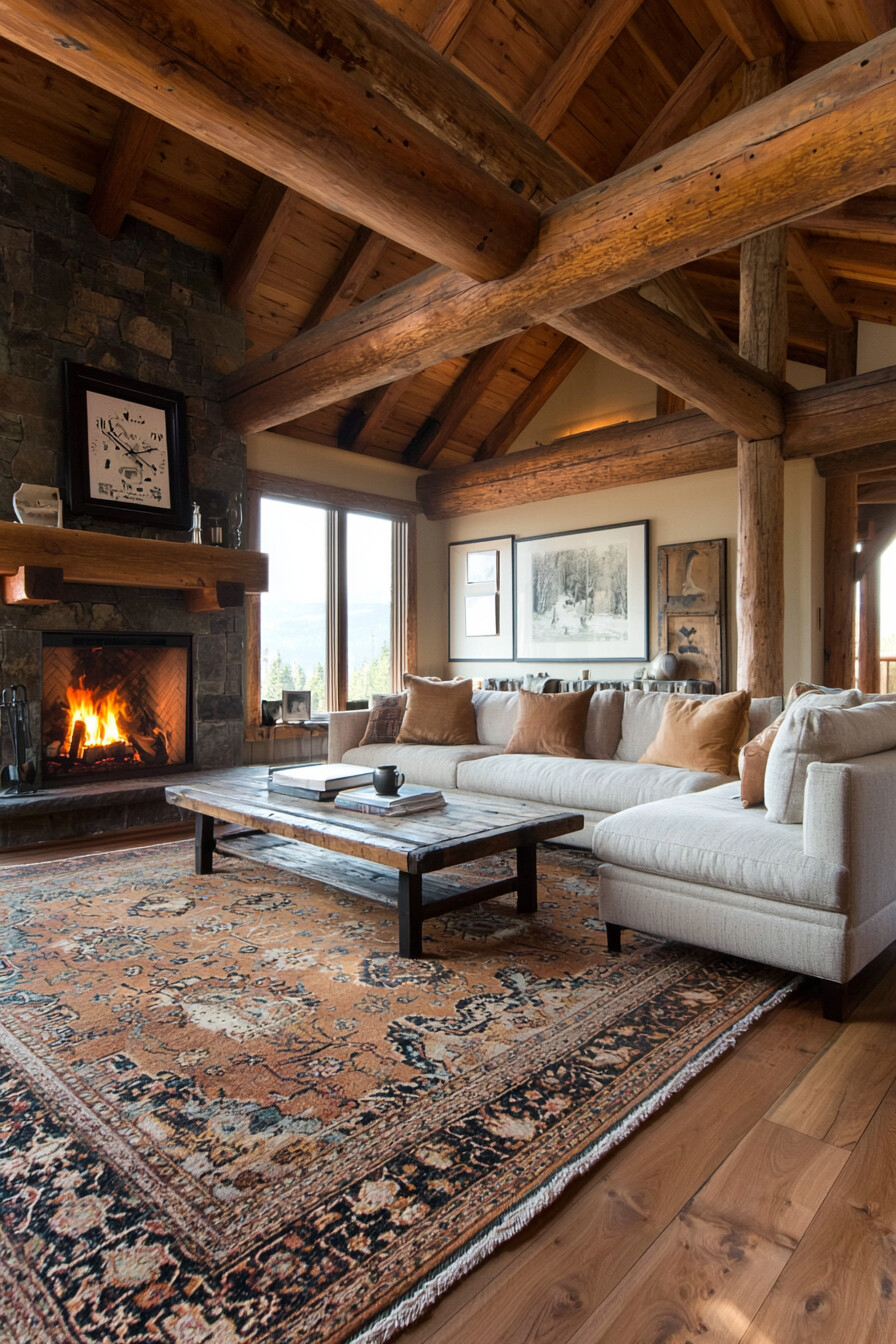
Deep sofas, wide armchairs, and upholstered ottomans give a cabin living room the generous, sink-in seating that makes long evenings feel genuinely restful. Comfort should drive every seating decision, with aesthetics following closely behind in the selection process.
Upholster the main sofa in a durable, textured fabric like a herringbone weave or a heavy canvas that suits the rugged cabin environment. Add a pair of leather or faux-leather armchairs to introduce a contrasting material that ages beautifully over time.
22. Seasonal Decor Rotation

Rotating cabin living room decor with the seasons keeps the space feeling fresh and intentionally styled throughout the entire year. Swapping cushion covers, throws, and small decorative objects costs very little but delivers a significant visual impact each time.
Store off-season decor in labeled baskets or boxes that fit neatly under the sofa or inside a storage ottoman. Build a simple core collection of neutral base pieces and invest in seasonal accent items that layer easily over the top.
23. Smart Cabin Storage

Smart storage solutions in a cabin living room prevent clutter from overwhelming the cozy, curated atmosphere that makes the space so appealing. Built-in benches with lift-up lids, ladder shelves, and wall-mounted hooks all keep items organized without sacrificing style.
Install a row of sturdy hooks near the main entrance to the living room for hanging throws, bags, and jackets in an accessible spot. Use woven baskets on lower shelves to store extra blankets and remotes while adding natural texture to the storage display.
24. Framing Outdoor Views

A cabin living room that faces trees, mountains, or a lake should arrange furniture to frame and celebrate that view as a central design feature. The landscape outside functions as living wall art that changes with every season and time of day.
Position the main sofa facing the largest window so the outdoor scenery becomes the first thing anyone notices upon entering the room. Keep window treatments minimal and sheer so natural light flows freely and the view remains unobstructed throughout the day.
25. Family Heirloom Styling

Family heirlooms, inherited furniture, and handmade objects bring a depth of personal meaning to a cabin living room that no store-bought collection can match. These pieces tell the room’s story honestly and give guests an immediate sense of the family who lives there.
Display a cherished heirloom, such as a grandmother’s quilt or a grandfather’s carved wooden bowl, in a prominent spot where it draws natural attention. Style surrounding objects simply so the heirloom remains the clear focal point rather than competing with busier decorative arrangements.
Start with one or two of these ideas and build the room gradually around the elements that feel most personal to you. A cabin living room styled with intention and warmth will always feel like the most welcoming place in the home.