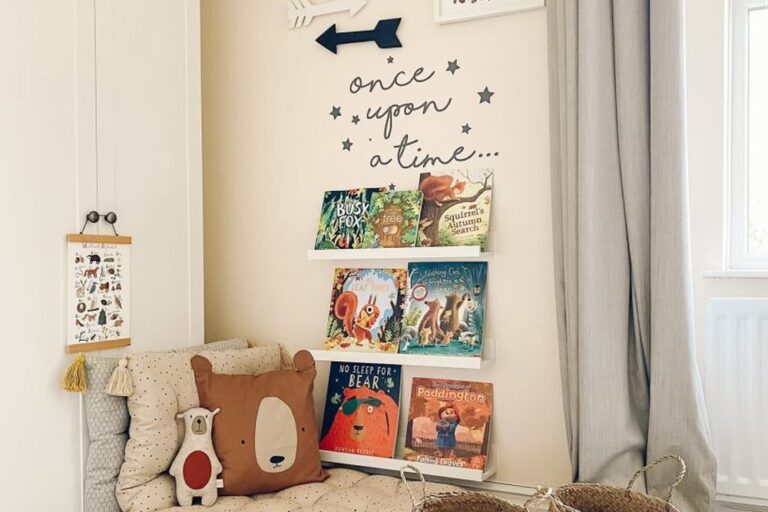

A minimalist nursery gives your baby a calm, clutter-free space that soothes the senses and supports restful sleep. Clean lines, neutral tones, and smart storage come together to create a room that feels both beautiful and effortlessly functional.
Parents today choose minimalist nursery design because it removes visual noise and creates a genuinely peaceful environment. Simple, intentional spaces help babies and parents feel calmer, making the daily routine easier and more enjoyable.
Minimalist design also grows with your child, saving you money on frequent redecorations. Choosing quality over quantity means every piece in the room earns its place through both function and beauty.
1. Neutral Walls Set Calm Tone

Soft walls painted in warm beige, subtle taupe, or cool off-white absorb ambient light and create a serene, spacious glow. These muted shades act as a perfect backdrop for simple wooden furniture and natural textures without adding visual clutter.
Test paint samples at different times of day before committing to a shade, since nursery lighting shifts dramatically from morning to evening. Always choose low-VOC, non-toxic paint formulas specifically safe for babies and apply two coats with a matte or eggshell finish for a refined result.
2. Floating Shelves Display Storage

Floating shelves mounted directly onto nursery walls keep essentials within reach while freeing up valuable floor space below. Their clean, frameless appearance blends seamlessly into neutral walls, displaying folded linens, small plants, or soft toys without creating visual chaos.
Install shelves at a consistent height and keep the items on each one intentional and minimal, limiting each shelf to three or four objects maximum. Choose shelves in natural wood or white-painted MDF to complement a neutral color palette and maintain that effortless, streamlined aesthetic throughout the room.
3. Wooden Crib Clean Design

A simple wooden crib with straight, unadorned lines becomes the natural focal point of any minimalist nursery without overpowering the space. Natural oak, beech, or pine finishes bring warmth and texture to the room while keeping the overall look calm and grounded.
Look for a convertible crib design that transforms into a toddler bed later, maximizing your investment and reducing future furniture purchases. Position the crib away from direct sunlight and drafts, and pair it with simple white or linen bedding to reinforce the clean, uncluttered aesthetic you want.
4. Simple Neutral Baby Bedding

Understated bedding in organic cotton or linen instantly softens a minimalist nursery without introducing busy patterns or distracting color. Tones like ivory, stone, and dusty sage layer beautifully together, adding visual depth through texture rather than print.
Choose fitted sheets, a lightweight cellular blanket, and a single pillow cover in coordinating neutral shades to keep the crib looking tidy and intentional. Wash all new textiles before use and opt for OEKO-TEX certified fabrics to ensure they meet safety standards suitable for a baby’s sensitive skin.
5. Modular Units Hide Clutter

Modular storage units with concealed compartments keep nursery essentials like nappies, wipes, and extra clothing completely out of sight. Their boxy, geometric shapes align perfectly with minimalist interior principles, adding structure to the room without visual fussiness.
Arrange modular units along a single wall to create a unified storage zone that draws the eye rather than scattering clutter across the room. Label each compartment clearly on the inside so every caregiver can locate items quickly, keeping daily routines smooth and the room looking consistently neat.
6. Low-Profile Rug Adds Softness

A soft, low-profile rug in a muted tone anchors the nursery floor space and adds warmth underfoot during early morning feeds and playtime. Simple geometric patterns or a plain weave in ivory, oat, or pale grey complement a neutral room without competing with other design elements.
Choose a rug with a short pile that cleans easily, since nursery floors experience frequent spills, dropped food, and tracked-in dirt. Place a non-slip pad underneath to keep the rug firmly in position, protecting both your baby during tummy time and the floor surface beneath.
7. Wall Hooks Organize Essentials

Minimalist wall hooks mounted in a neat row give you a practical spot to hang muslins, changing bags, and small baskets without consuming shelf or floor space. Simple brass, matte black, or white powder-coated hooks in a clean peg or J-shape style suit a minimalist nursery beautifully.
Mount hooks at a height that feels accessible to you during daily use, keeping frequently grabbed items like bags and jackets at arm’s reach. Space hooks evenly apart using a spirit level before drilling, and limit each hook to a single item so the wall stays tidy and intentional at all times.
8. Compact Changing Station Storage

A compact changing station that integrates hidden storage below keeps nappy-changing essentials close without creating a messy, cluttered surface. Drawer units or basket-lined shelves beneath a clean-topped dresser make the changing area both highly functional and visually calm.
Position the changing station near a window for natural light and within easy reach of a wall-mounted hook for nappy bags and spare outfits. Keep the top surface clear of everything except a changing mat and a small dispenser, restocking supplies from the drawers below as needed.
9. Floor Lamp Soft Nursery Lighting

A clean-lined floor lamp with a warm-toned bulb creates gentle, diffused lighting that suits night feeds and quiet bedtime routines far better than harsh overhead lights. Slim arc or straight-stem designs in matte white or brushed brass add a sculptural quality to the nursery corner without cluttering it.
Position the floor lamp beside the nursing chair or glider so it directs soft light exactly where you need it during late-night feeds. Choose a lamp with a dimmer switch or pair it with a smart bulb so you can adjust brightness without disturbing a sleeping baby nearby.
10. Light Fabric Window Treatments

Uncluttered window treatments in linen, cotton voile, or sheer muslin let natural light filter softly into the nursery while maintaining a calm, airy atmosphere. Simple tab-top or eyelet curtain panels in white, ivory, or warm oat tones keep the window area looking clean and unfussy.
Layer sheer curtains with a slim blackout blind mounted directly onto the window recess for full light control during nap times without bulky hardware. Wash curtain panels regularly to keep them fresh and free from dust, choosing machine-washable fabrics that hold their shape and colour after repeated cleaning.
11. Geometric Wall Decals Nursery Art

Simple geometric wall decals or stickers in soft, muted tones add subtle visual interest to a nursery wall without the permanence or visual weight of framed art. Triangles, circles, and organic shapes in dusty rose, sage green, or warm grey complement a neutral palette beautifully.
Apply decals to a clean, dry wall surface and take time to plan the arrangement on the floor before committing each piece to the wall. Keep the grouping compact and intentional, choosing one focal wall rather than spreading decals across multiple surfaces, which can quickly undermine the minimalist feel.
12. Sleek Changing Pad Setup

A functional changing pad placed on top of a sleek, low-profile table creates a dedicated station that looks polished rather than utilitarian. Choose a contoured pad in white or grey with a wipeable surface and secure it to the table with non-slip strips for safety.
Keep the table surface completely clear except for the changing pad itself, storing all supplies in the drawer or shelf directly below within easy reach. A simple wall-mounted shelf just above the table holds a single basket of essentials, maintaining the clean visual line of the changing area without adding clutter.
13. Built-In Shelving Maximizes Space

Built-in shelving designed to fit flush within nursery alcoves or along an entire wall creates generous storage without protruding into the room. Painted in the same tone as surrounding walls, these shelves appear seamless, making even a small nursery feel ordered and spacious.
Style each shelf with a deliberate mix of functional baskets, a small plant, and one or two soft toys to balance storage with warmth. Avoid overcrowding shelves, leaving at least a third of each shelf visually empty so the overall look stays calm, intentional, and true to minimalist principles.
14. Cord Management Clean Walls

Visible cables from monitors, lamps, and sound machines create instant visual clutter that undermines even the most carefully styled minimalist nursery. Routing cords through slim cable channels painted to match the wall colour keeps every surface looking clean and professionally finished.
Plan your furniture layout before installing electrical items so you can position outlets and cord channels in the least visible locations from the room’s main sightline. Use adhesive cable clips to guide cords neatly along skirting boards or behind furniture, preventing loose cables from becoming a safety hazard for curious little hands.
15. Neutral Minimalist Play Area

A dedicated play area in one corner of the nursery keeps toys contained and the rest of the room visually calm and clutter-free. A simple foam play mat in a muted tone paired with a small basket of wooden or fabric toys in neutral shades creates an inviting but understated space.
Rotate the toys on display regularly, keeping only a small selection visible at any one time and storing the rest out of sight in a lidded bin. This approach maintains the minimalist aesthetic throughout the room while also stimulating your baby with fresh objects that capture attention and encourage exploration.
16. Multi-Functional Furniture Saves Space

Multi-functional nursery furniture pieces that combine seating, storage, and sleeping solutions eliminate the need for multiple individual items cluttering the room. A dresser that doubles as a changing station or a storage ottoman that serves as a footrest beside the nursing chair both deliver serious practicality with a clean visual profile.
Prioritize pieces with concealed storage over open shelving wherever possible, since closed compartments keep the room looking intentionally tidy even during busy weeks. Invest in solid, well-made furniture built to transition from nursery to toddler room, choosing timeless finishes that work across multiple interior styles as your child grows.
Start with one or two of these ideas and build your minimalist nursery gradually, letting each thoughtful choice shape the calm, beautiful space your baby deserves. A well-edited room designed with intention will serve your growing child for years without ever needing a complete overhaul.