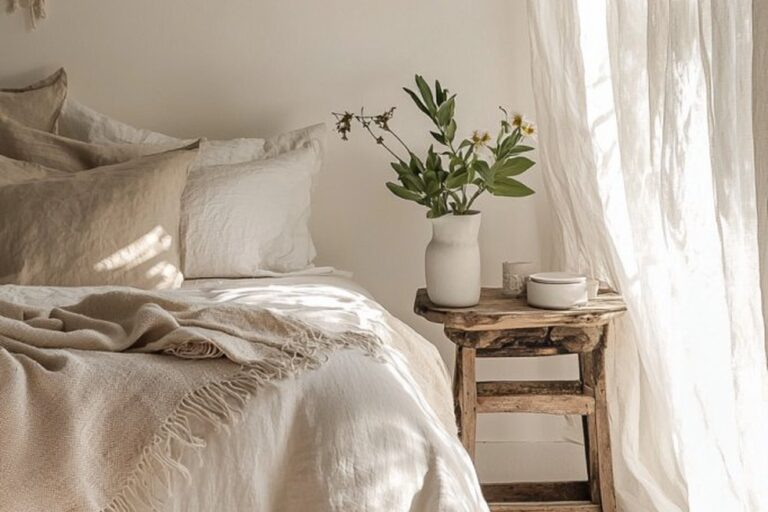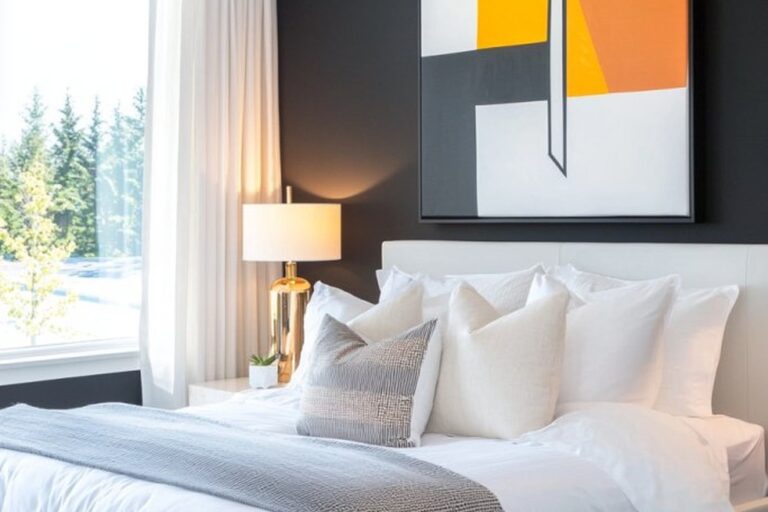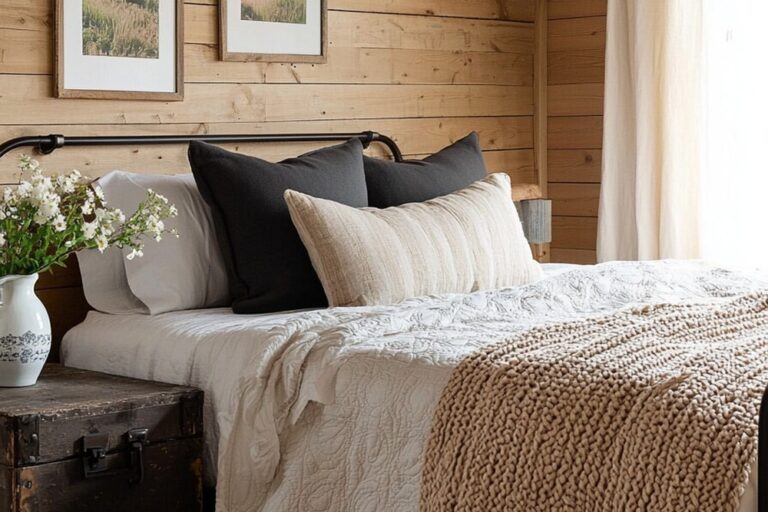

A small bedroom can work harder and look better with the right layout choices. Smart furniture placement and clever storage solutions turn even the tiniest room into a functional, stylish retreat.
Small bedrooms demand a different approach to decorating than larger spaces. Every furniture choice, color decision, and storage solution carries more weight when square footage is limited.
The key to a successful small bedroom layout is creating clear zones for sleeping, storage, and living without crowding the floor. A thoughtful arrangement makes the room feel larger and keeps daily movement easy and natural.
1. Multi-Functional Furniture Saves Space

Multi-functional furniture gives a small bedroom the flexibility it needs to handle daily life. A bed with built-in drawers, an ottoman with hidden storage, or a fold-out desk each serve double duty without crowding the room.
Choose pieces that combine storage with seating or sleeping to reduce the total number of items you need. A nightstand with open shelves or a storage bench at the foot of the bed adds function without adding visual bulk to the space.
2. Lofted Bed Maximizes Floor Space

A lofted bed raises the sleeping surface and frees up the entire floor area underneath for other uses. That space can hold a compact desk, a small dresser, or a cozy reading corner depending on your lifestyle needs.
Look for a lofted frame in a style that matches your existing decor, from natural wood finishes to painted metal. Add bins or low shelves underneath the frame to keep belongings organized and the floor area looking intentional rather than cluttered.
3. Corner Reading Nook Design

A reading nook tucked into a bedroom corner transforms unused space into a personal retreat. A plush chair or floor cushion paired with a small side table creates a defined zone that feels separate from the sleeping area.
Position the nook near a window to bring in natural light and make the corner feel inviting rather than dark. Add a slim floor lamp for evening reading sessions and layer the seat with a throw blanket and a couple of cushions for comfort.
4. Vertical Storage Maximizes Wall Height
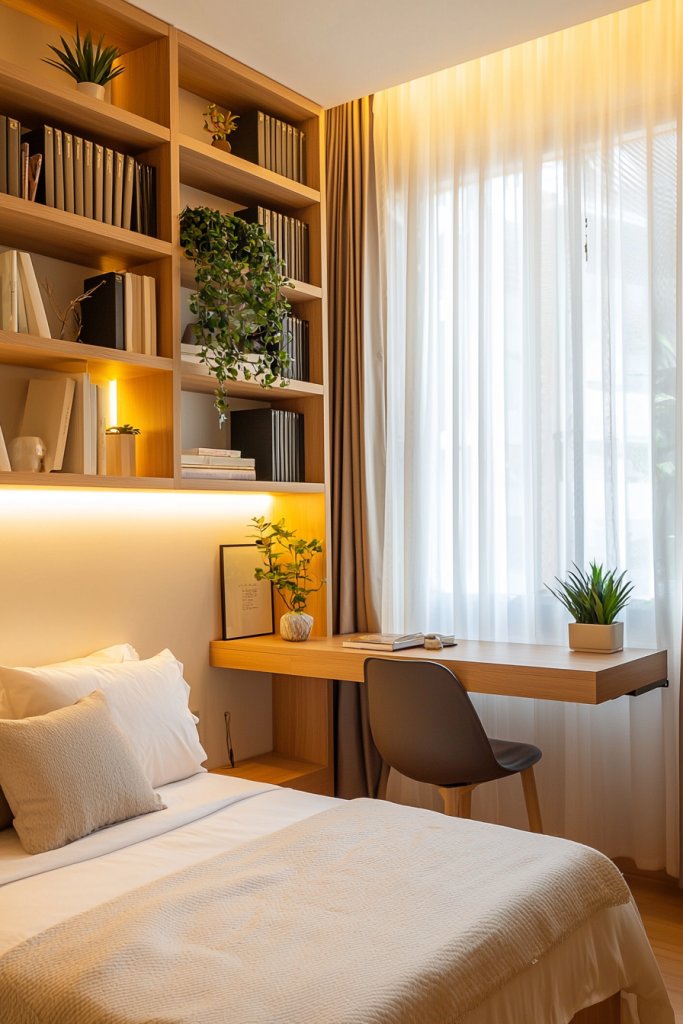
Vertical storage draws the eye upward and keeps the floor clear in a small bedroom. Tall wardrobes, stacked shelving units, and floor-to-ceiling bookcases all take advantage of wall height that often goes wasted.
Arrange frequently used items at eye level and store seasonal or rarely needed belongings on the highest shelves. This approach keeps the room functional and organized while making the ceiling feel higher and the walls feel less closed in.
5. Diagonal Bed Placement Strategy

Placing the bed at a diagonal angle creates an unexpected focal point and can improve traffic flow in a small bedroom. The angled position breaks the predictable layout and makes the room feel more dynamic and intentionally designed.
Position the headboard corner against the wall to anchor the bed while keeping walkways open on both sides. Use the triangular space behind the headboard as a clever spot for a small plant, a floor lamp, or a decorative basket.
6. Wall-Mounted Shelves Add Storage
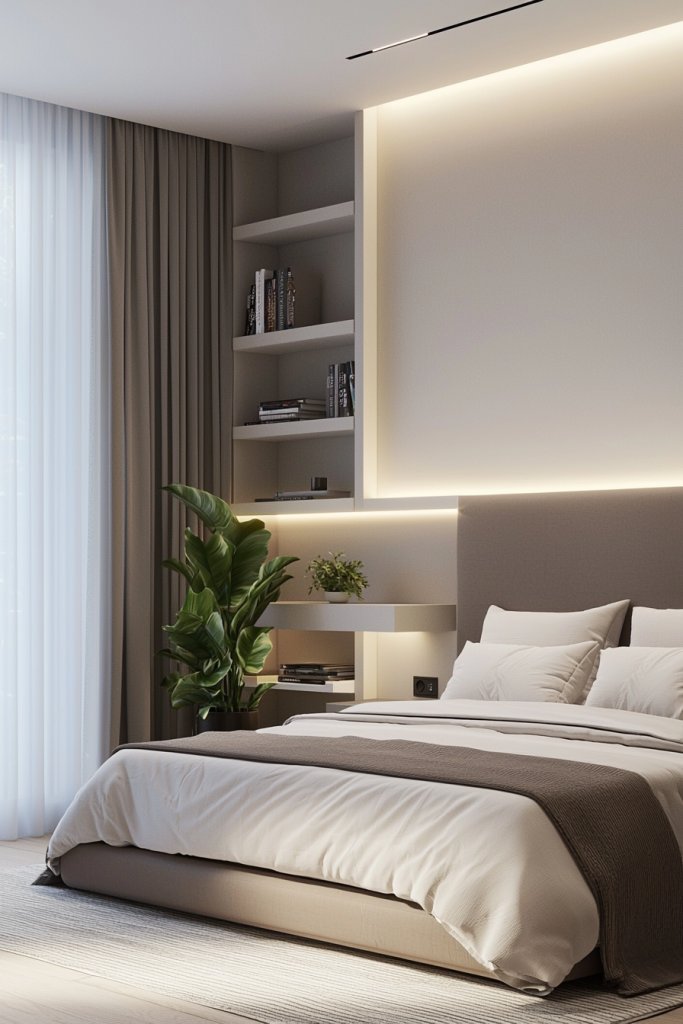
Wall-mounted shelves keep surfaces clear and bring storage up off the floor where it frees up visual and physical space. Floating shelves beside the bed replace bulky nightstands and create a clean, modern look in a small bedroom.
Install shelves at varying heights to accommodate books, plants, and small decor objects without cluttering the arrangement. Keep the styling minimal and consistent so the shelves add character to the room rather than contributing to a feeling of disorder.
7. Corner Desk Area Saves Room

A corner desk area makes use of the space that furniture often ignores in a small bedroom layout. A compact L-shaped desk or a simple wall-mounted surface fits neatly into the corner and creates a dedicated workspace.
Mount a shelf or two above the desk surface to handle books, supplies, and decorative objects without eating into desk space. Keep the chair low-profile and consider a backless stool that slides fully under the desk when the workspace is not in use.
8. Murphy Bed Reclaims Living Space
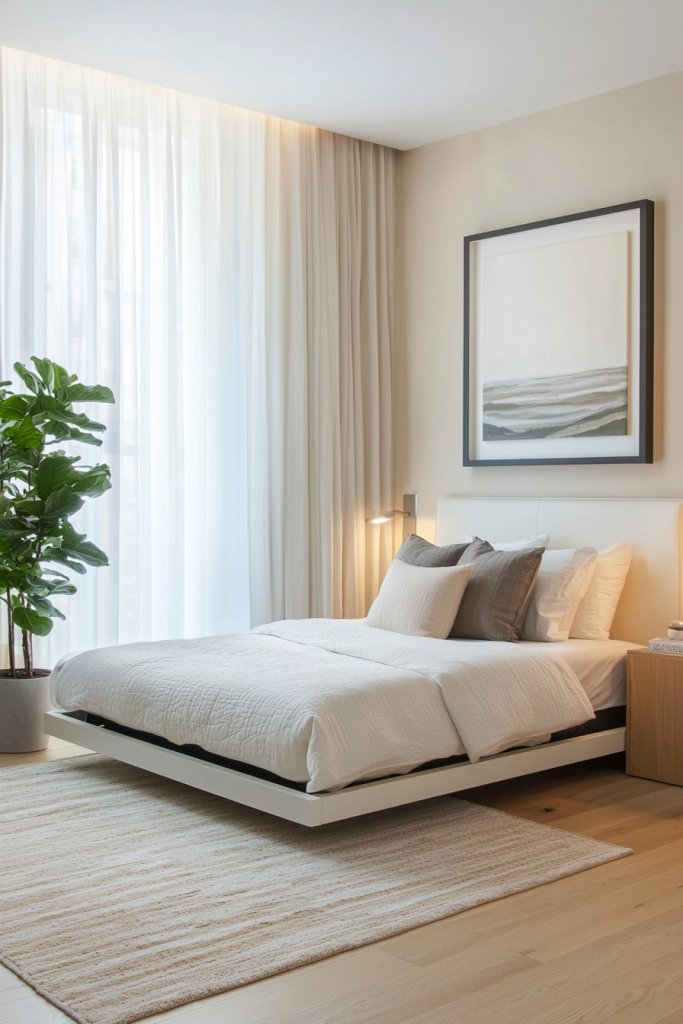
A Murphy bed folds flat against the wall and instantly returns floor space to the room when sleeping is not the priority. This single furniture choice can make a small bedroom feel like a multi-purpose studio during the day.
Choose a Murphy bed frame that includes built-in shelving or a fold-down desk panel on the surrounding cabinet. This turns the entire wall unit into a storage and workspace solution that serves the room around the clock.
9. Sliding Door Improves Room Flow
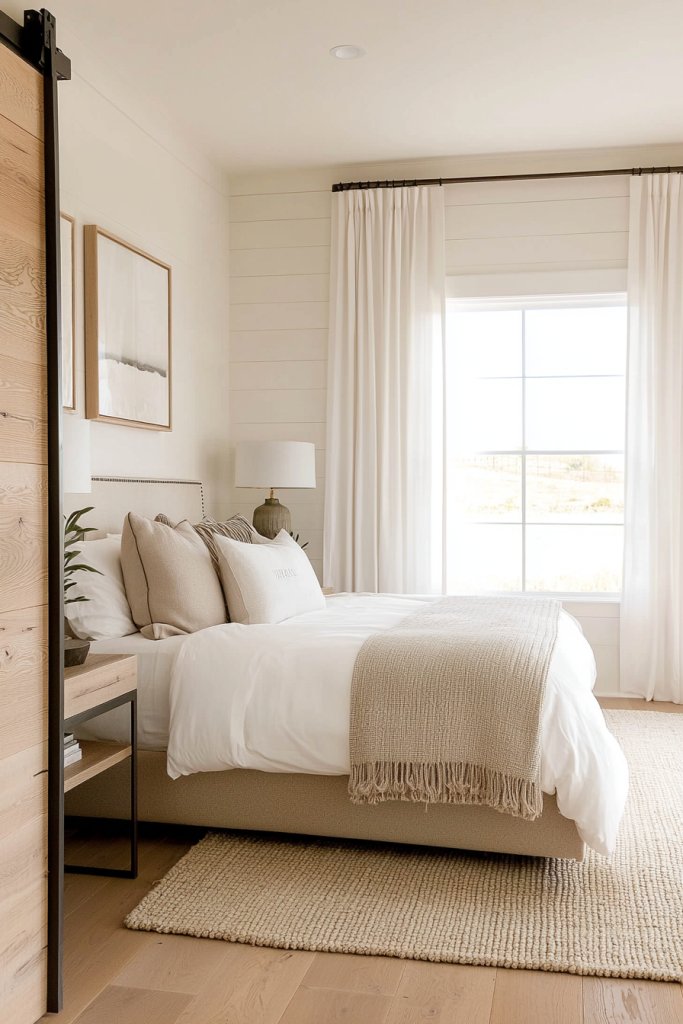
A sliding door removes the floor clearance that a swinging door demands and immediately improves traffic flow in a small bedroom. The door slides along the wall and keeps that arc of floor space available for furniture or movement.
Opt for a frosted glass or mirrored sliding panel to add light reflection and visual depth to the room. A mirrored sliding wardrobe door combines storage access with the light-enhancing effect that makes small bedrooms feel more open.
10. Minimalist Decor Opens Small Rooms

Minimalist decor reduces visual noise and makes a small bedroom feel calm, open, and intentional. Fewer decorative objects, clean furniture lines, and a limited color palette all contribute to a space that breathes easily.
Edit the room down to the items that carry real purpose or personal meaning and remove everything else. This approach also makes styling and cleaning easier, which keeps the room looking its best without constant effort.
11. Under-Bed Storage Hides Clutter

The space under the bed represents some of the most valuable hidden storage in a small bedroom. Low-profile bins, rolling drawers, and vacuum storage bags all fit neatly beneath the frame and hold seasonal items out of sight.
Choose a bed frame with legs tall enough to accommodate standard storage containers and keep the system organized with labels. Clear containers work especially well because they let you see the contents without pulling everything out onto the floor.
12. Furniture Arrangement Improves Traffic Flow

Thoughtful furniture arrangement creates clear pathways through a small bedroom and makes the space feel larger than it measures. Place the largest piece, usually the bed, against the longest wall and position everything else around natural movement patterns.
Leave at least 24 inches of clearance on the sides of the bed that you walk past most often. This minimum pathway width keeps the room from feeling cramped and allows furniture to breathe visually rather than pressing in from every direction.
13. Gallery Wall Adds Visual Interest
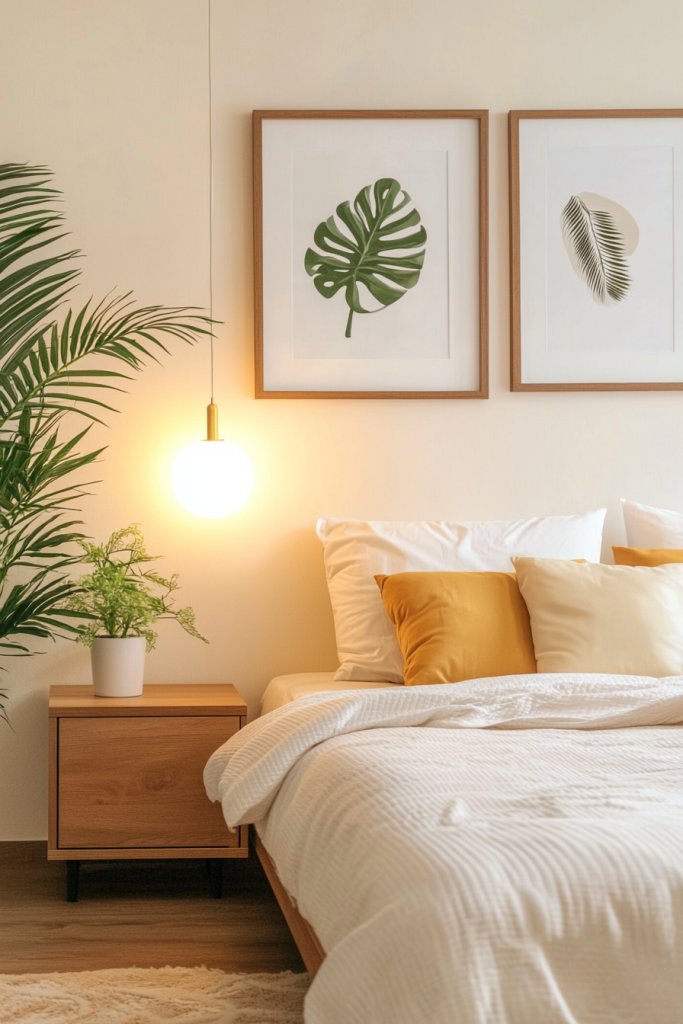
A gallery wall concentrates decorative impact in one area and keeps the rest of the room calm and uncluttered. Grouping frames, art prints, or wall objects on a single wall creates a strong visual moment without spreading decor across every surface.
Plan the arrangement on the floor before putting anything on the wall to test the composition without making extra holes. Keep frames in a consistent finish or color family so the gallery feels curated and intentional rather than random.
14. Storage Bed Eliminates Extra Furniture

A bed with built-in storage replaces the need for a separate dresser or extra shelving unit in a small bedroom. Drawer bases and lift-up ottoman frames both offer generous storage capacity directly within the bed footprint.
Use the drawer storage for clothing, bedding, or accessories to free up wardrobe and closet space for other categories. A storage bed reduces the total number of furniture pieces the room needs, which keeps walkways clear and the layout simple.
15. Room Divider Creates Defined Zones
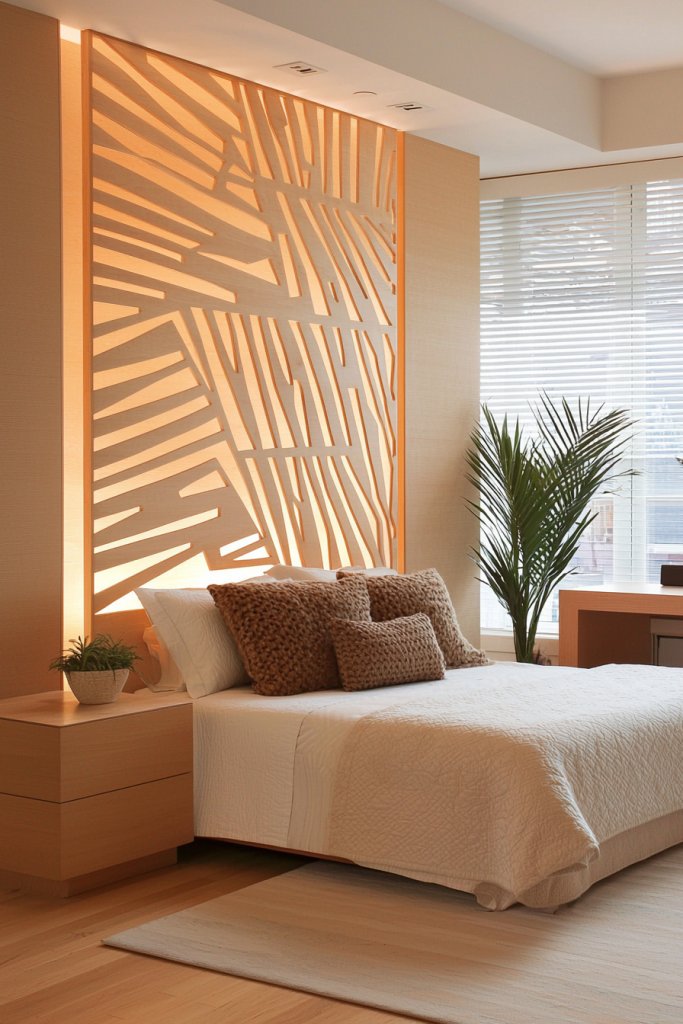
A room divider adds structure to a small bedroom and carves out separate zones for sleeping, working, or dressing. A bookshelf divider, a slatted screen, or a set of curtain panels each create separation without building permanent walls.
Choose a divider that allows some light to pass through so neither zone feels cut off or dim. A low bookshelf works especially well because it defines the zone while providing storage on both sides and keeping the room feeling open above.
16. Mirrors Reflect Light and Space

Mirrors amplify natural and artificial light in a small bedroom and make the space feel significantly larger. A full-length mirror leaning against the wall or a large mirror above the dresser both reflect the room back and add visual depth.
Position a mirror directly across from the window to maximize the amount of daylight it bounces into the room. Even a collection of smaller mirrors grouped together on one wall creates a light-enhancing effect while adding a decorative layer.
17. Narrow Dresser Fits Tight Spaces
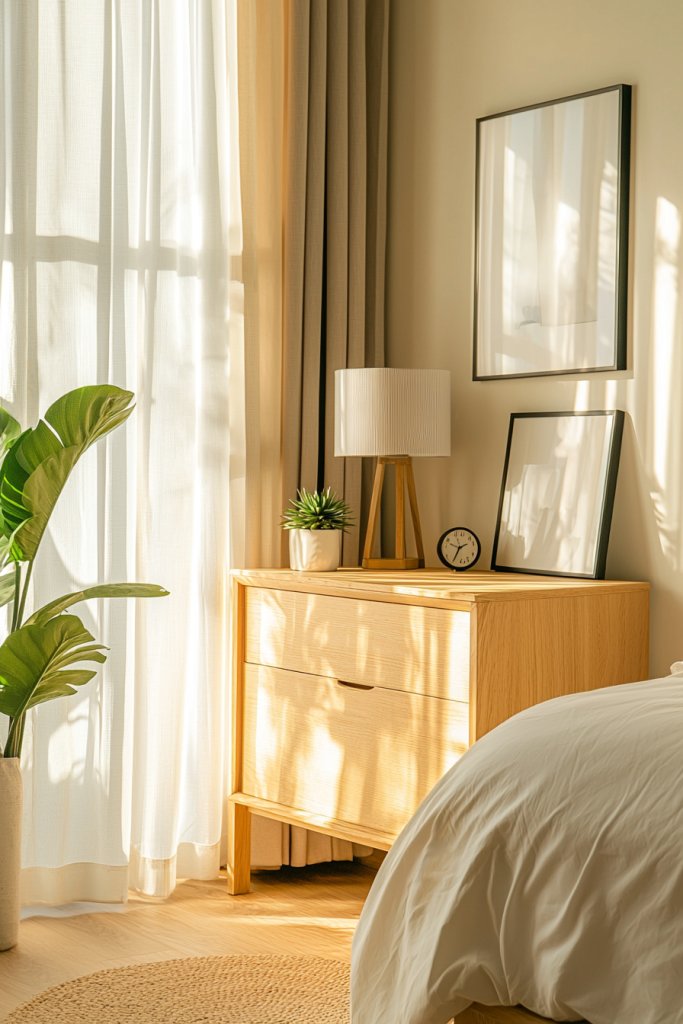
A narrow dresser takes up less floor space than a standard wide chest while still providing meaningful clothing storage in a small bedroom. Tall and slim dresser designs fit into gaps between furniture pieces or beside doorways where wider units cannot go.
Measure available wall space carefully before purchasing and prioritize height over width to maximize drawer capacity. A dresser that reaches toward the ceiling holds as much as a wide unit but leaves more floor area visible, which keeps the room feeling open.
18. Small Workspace Fits Every Bedroom

Even the smallest bedroom can accommodate a compact workspace with the right approach to furniture and placement. A wall-mounted desk surface, a narrow writing table, or a fold-down shelf each create a functional work zone without consuming much space.
Place the workspace near a window or under a well-positioned wall light to ensure good task lighting throughout the day. Keep the desk surface edited down to essentials so the area remains usable and does not become a secondary storage pile.
19. Wall Hooks Organize Bedroom Accessories
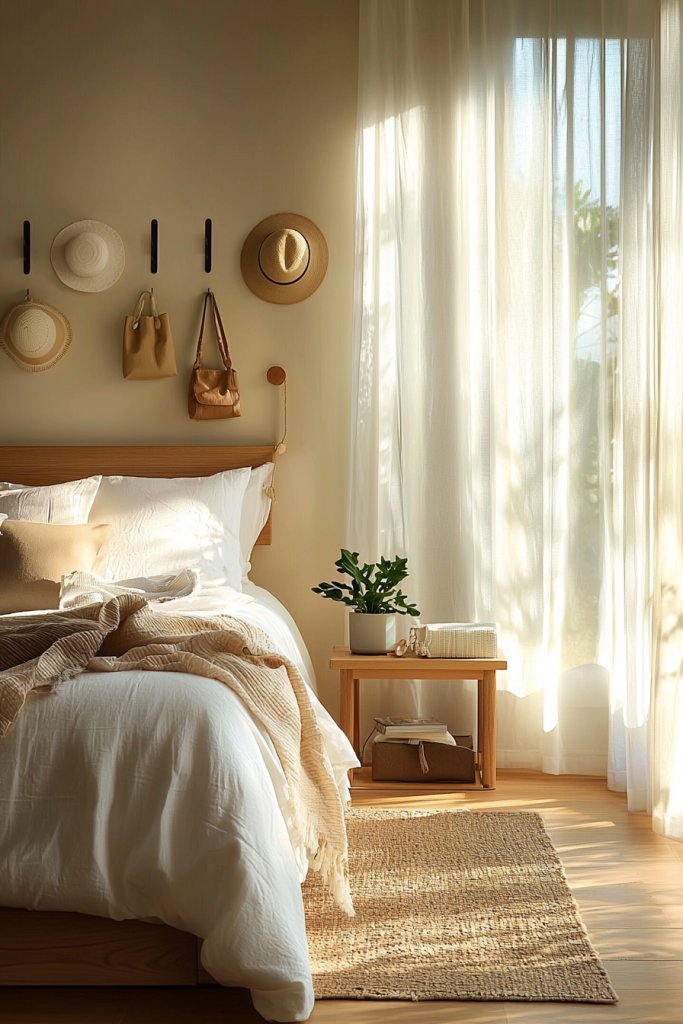
Wall hooks bring everyday accessories off the floor and furniture surfaces and onto the wall in a small bedroom. Bags, hats, scarves, and robes all hang neatly from hooks mounted beside the door, inside the wardrobe, or along an empty wall section.
Choose hooks in a finish that complements other metal details in the room, such as light fixtures or drawer pulls. A row of matching hooks installed at a consistent height looks intentional and styled rather than purely utilitarian.
20. Light Wall Colors Expand Small Rooms

Light wall colors reflect natural light around a small bedroom and make the space feel more open and airy. Soft whites, warm creams, pale grays, and muted pastels all push the walls back visually and increase the sense of volume.
Paint the ceiling the same light tone as the walls to remove the visual boundary between wall and ceiling and make the room feel taller. Avoid very dark accent walls in small bedrooms unless you balance them with strong lighting and reflective surfaces nearby.
21. Daybed Doubles as Seating Area

A daybed serves as both a sleeping surface and a sofa-style seating area, making it an ideal choice for a small bedroom that needs to multitask. Styled with cushions and a throw blanket, it reads as a lounging spot during the day and a proper bed at night.
Position the daybed along a wall with the long side flush against it to free up maximum floor space in the center of the room. Choose a frame with built-in drawers or a trundle underneath to add a second sleeping surface or hidden storage within the same footprint.
22. Curtains Divide Bedroom Zones Easily

Curtains offer an affordable and flexible way to divide a small bedroom into distinct zones without permanent construction. A ceiling-mounted curtain track lets fabric panels slide open or closed to reveal or conceal a sleeping area, dressing corner, or workspace as needed.
Choose curtain fabric in a color or pattern that complements the rest of the room so the panels feel like a design feature rather than a temporary fix. Sheer fabrics maintain a sense of openness while still defining zones, making them a smart choice for very small bedroom layouts.
Start with one or two of these layout ideas and build from there as you see how the changes transform your room. Small adjustments to furniture placement, storage, and color can make a dramatic difference in how a small bedroom looks and functions every day.