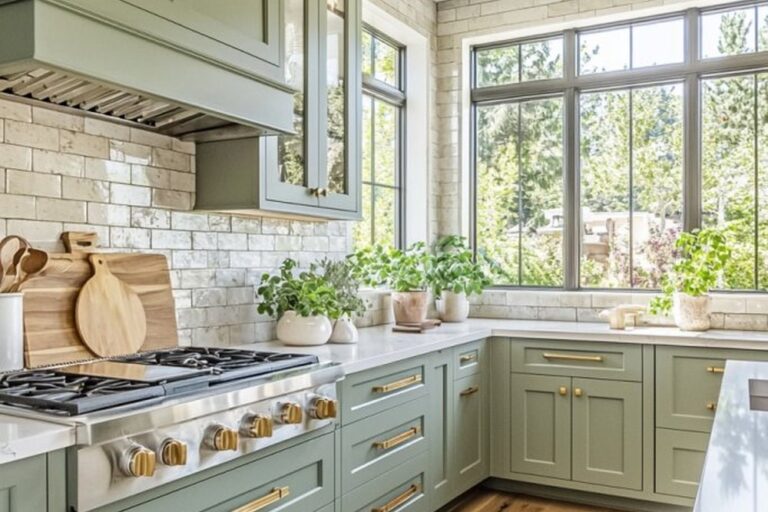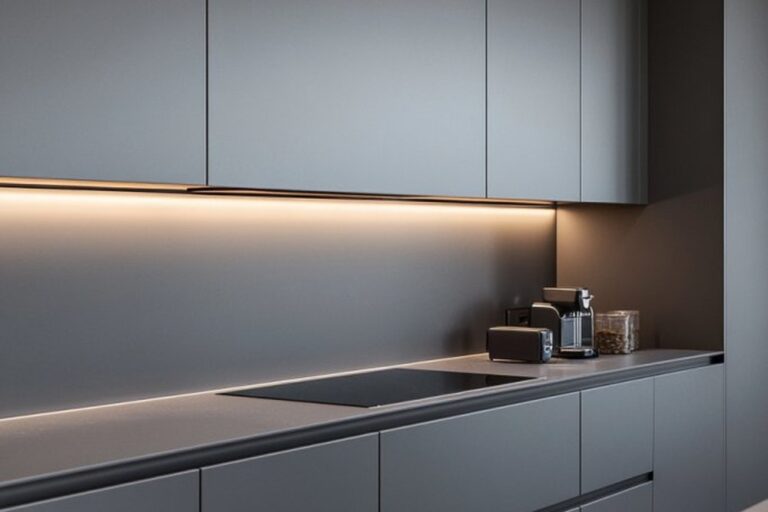

Wabi sabi transforms a kitchen into a space that celebrates raw beauty, honest materials, and the quiet charm of imperfection. These 25 ideas will help you build a kitchen that feels deeply grounded, warmly lived-in, and visually compelling.
Wabi sabi is a Japanese design philosophy that finds beauty in imperfection, impermanence, and the natural world. It rejects the polished and the perfect, choosing instead to honor materials that age, surfaces that wear, and objects that carry history.
A wabi sabi kitchen does not chase trends or demand expensive renovations. It layers natural textures, honest materials, and thoughtful simplicity to create a space that feels calm and intentional.
1. Natural Materials Ground Kitchens

A wabi sabi kitchen draws its soul from wood, stone, and clay working together across every surface. Reclaimed wood islands, butcher block countertops, and stone tile backsplashes each bring unique grain, texture, and depth to the room.
Choose materials that show natural variation rather than uniform finishes, because inconsistency is the point. Layer a stone floor with wooden shelving and ceramic dishware to build a cohesive, nature-forward kitchen that feels genuinely alive.
2. Earthy Tones Transform Kitchens

Soft browns, muted greens, and warm terracottas pull a kitchen into a calmer, more grounded atmosphere. These shades mirror the natural world and work in harmony with raw textures and organic surfaces throughout the space.
Try pairing warm taupe cabinetry with sage green walls, or use a cinnamon-toned backsplash to echo the richness of clay. Layer earthy tones from floor to ceiling so the palette feels considered, unified, and deeply connected to nature.
3. Handmade Pottery Adds Character

Handmade pottery brings one-of-a-kind craftsmanship and deliberate imperfection directly into your kitchen styling. Hand-thrown bowls, textured mugs, and artisan plates each carry subtle variations in shape, glaze, and surface that machine-made pieces simply cannot replicate.
Display pottery on open shelves rather than hiding it behind cabinet doors, so the pieces become part of the room’s visual story. Mix sizes and glazes intentionally, grouping items loosely to create arrangements that feel curated but relaxed.
4. Reclaimed Wood Shelving Ideas

Reclaimed wood shelving introduces warmth, history, and organic texture to any kitchen wall. The weathered grain, natural knots, and aged color of salvaged timber give shelves a depth and character that new timber cannot match.
Mount floating reclaimed wood shelves at varying heights to avoid rigid symmetry and embrace a more organic arrangement. Use them to display pottery, glassware, and small plants so the shelving becomes both a functional surface and a styled focal point.
5. Vintage Kitchenware Adds Soul

Vintage kitchenware layers lived-in warmth and nostalgic charm into a wabi sabi kitchen with very little effort. Enamel cookware, aged copper pots, and mismatched stoneware pieces all carry the marks of previous use that give them genuine personality.
Source vintage pieces from markets and antique shops, choosing items with visible patina, chips, or wear rather than avoiding them. Arrange these pieces openly on shelves or hanging rails so their aged surfaces contribute directly to the kitchen’s overall aesthetic.
6. Open Shelving Displays Beauty

Open shelving removes visual barriers and allows every object in the kitchen to participate in the room’s overall styling. Exposed shelves invite you to treat everyday items like pottery, glassware, and woven baskets as deliberate decorative choices.
Edit your shelf displays regularly, keeping only items you genuinely use or find beautiful, because clutter undermines the calm of wabi sabi. Group objects in odd numbers and vary heights to create arrangements that feel natural rather than rigidly staged.
7. Organic Textures Enrich Surfaces

Rough linen, unglazed ceramics, brushed stone, and woven rattan each introduce tactile richness that smooth, polished surfaces cannot offer. Organic textures make a kitchen feel sensory and warm, rewarding both the eye and the hand.
Introduce texture through small, accessible choices like a rough-weave dish towel, a ceramic utensil holder, or a woven tray on the counter. These simple additions build layers of visual interest without requiring significant investment or renovation work.
8. Natural Fiber Rugs Warm Floors

A natural fiber rug anchors the kitchen floor with warmth, softness, and an unmistakably organic quality. Jute, sisal, and seagrass rugs all bring earthy tones and woven texture that complement raw wood, stone, and clay surfaces beautifully.
Place a runner rug along the main working area of the kitchen to add comfort underfoot during cooking and food preparation. Choose rugs with a simple, undyed, or lightly toned finish so the natural fiber remains the visual focus rather than a bold pattern.
9. Functional Simplicity Defines Spaces

Wabi sabi kitchen design prioritizes function above decoration, keeping surfaces clear and layouts intuitive so the space feels effortless to use. Simple, purposeful design removes visual noise and allows the natural beauty of materials to take center stage.
Audit your kitchen and remove items that serve neither a practical nor an aesthetic purpose, storing them out of sight immediately. A kitchen with fewer, better-chosen objects always feels more considered, more calm, and more aligned with wabi sabi values.
10. Imperfect Ceramics Celebrate Flaws

Ceramics with uneven rims, irregular glazes, and small surface cracks embody the wabi sabi philosophy of finding beauty in natural imperfection. These pieces carry an honesty and handmade quality that mass-produced ceramics consistently lack.
Seek out ceramics from independent makers and local potters who work by hand, because those pieces carry the most genuine character. Display them prominently on open shelves or use them daily so their imperfections become a regular, celebrated part of kitchen life.
11. Ambient Lighting Sets Mood

Soft, warm lighting transforms a kitchen from a purely functional room into a space that feels intimate and inviting. Ambient light sources like pendant lamps with linen or washi paper shades diffuse light gently, avoiding harsh brightness that disrupts calm.
Layer lighting by combining pendant fixtures over the island, under-shelf task lighting, and small warm-toned lamps on open counters. Avoid cool white or blue-toned bulbs, choosing warm amber tones instead because they enhance the earthy palette of a wabi sabi kitchen.
12. Kitchen Herb Gardens Add Life

A small indoor herb garden brings living greenery, fresh fragrance, and genuine usefulness directly into the kitchen space. Terracotta pots of rosemary, thyme, basil, and mint placed on a windowsill or shelf add organic color and natural texture simultaneously.
Use mismatched terracotta or handmade ceramic pots rather than uniform plastic containers, because variety reinforces the wabi sabi aesthetic. Position herbs near a natural light source so they thrive and grow visibly, adding movement and life to the kitchen over time.
13. Rustic Furniture Builds Warmth

Rustic furniture with visible grain, worn edges, and natural finishes gives a wabi sabi kitchen a grounded, unhurried quality. A solid wood dining table with a worn surface, or stools with slight irregularities, each bring honesty and warmth to the room.
Choose furniture with simple, unfussy silhouettes and natural wood or stone finishes rather than lacquered or heavily painted pieces. Age and wear on furniture surfaces should be embraced rather than repaired, because those marks tell the story of genuine daily use.
14. Stone Accents Add Texture

Stone brings cool, mineral-rich texture to a kitchen, contrasting beautifully with warmer wood and linen surfaces. Slate, limestone, and travertine each offer subtle variation in tone and surface that makes them ideal for wabi sabi interiors.
Use stone as a backsplash material, a countertop surface, or even a simple stone bowl on the counter to introduce natural mineral texture. Choose stone with visible veining, fossils, or surface irregularity rather than highly polished slabs, because natural variation is the point.
15. Plants and Greenery Refresh Rooms

Plants bring color, oxygen, and organic movement into a kitchen, softening hard surfaces and adding genuine natural beauty. Trailing pothos, small fig trees, and clustered herbs all work beautifully in kitchen spaces at different scales and heights.
Place plants at varied levels, using high shelves, windowsills, and counter corners simultaneously to build a layered green effect. Choose terracotta or hand-thrown ceramic pots to reinforce the wabi sabi material palette and avoid plastic containers that disrupt the aesthetic.
16. Asymmetric Design Feels Natural

Symmetry imposes a rigid order that contradicts the organic, imperfect spirit at the heart of wabi sabi design. Asymmetric arrangements of shelves, objects, and furniture groupings create a more natural, relaxed visual rhythm throughout the kitchen.
Arrange open shelf displays with objects of varying heights, sizes, and spacing rather than mirroring items on each side. Allow wall-mounted shelves to sit at slightly different positions and trust that these small deliberate irregularities create a room that feels genuinely alive.
17. Minimalist Approach Simplifies Styling

A minimalist approach to kitchen styling removes distraction and lets each chosen element breathe and carry full visual weight. Fewer objects on display, cleaner counter surfaces, and a restrained color palette all support the quiet calm of wabi sabi design.
Choose every visible item in the kitchen intentionally, asking whether it serves a purpose, brings beauty, or ideally does both. Remove decorative clutter completely and allow empty space to exist on surfaces, because negative space is as important as the objects themselves.
18. Raw Edge Surfaces Add Depth

Raw edge surfaces, whether a live-edge timber shelf or an unfinished stone countertop, introduce an unapologetic naturalness into the kitchen. These surfaces preserve the original character of the material, celebrating its organic form rather than cutting it into rigid uniformity.
Source live-edge timber slabs from local sawmills or salvage yards and use them as floating shelves, serving boards, or small countertop sections. Finish raw wood surfaces with natural oils rather than lacquer so the grain remains tactile, visible, and authentically connected to its source.
19. Kitchen Wall Art Personalizes Spaces

Art brings personal expression and quiet visual interest to kitchen walls without requiring major decorating investment. A single hand-painted ceramic tile, a small ink drawing, or a botanically illustrated print each add warmth and intentionality to the space.
Choose art with natural subjects like botanicals, landscapes, or abstract organic forms that align with the wabi sabi material palette. Hang pieces at a slightly unexpected height or angle, because precise, overly formal placement contradicts the relaxed imperfection wabi sabi celebrates.
20. Natural Light Enhances Kitchens

Natural light reveals the true beauty of raw materials, making wood grain, stone texture, and ceramic glaze glow with warmth and depth. A kitchen that prioritizes natural light feels more connected to the outside world and the changing rhythm of each day.
Keep window treatments simple and light-filtering rather than heavy and opaque, using sheer linen panels that soften light without blocking it. Position key surfaces like the island, shelving, or a dining area near the strongest natural light source to maximize its visual and atmospheric impact.
21. Vintage Fixtures Add Patina

Vintage fixtures like aged brass taps, antique wall sconces, and old iron cabinet handles add patina and historical depth to a kitchen. These fittings carry a material richness that new fixtures take years to develop naturally.
Source vintage fixtures from architectural salvage dealers or antique markets, choosing pieces with visible oxidation, wear, or original finish intact. Install them against raw plaster walls or reclaimed wood surfaces so the aged quality of each fixture looks intentional and beautifully considered.
22. Soft Fabrics Add Kitchen Warmth

Soft, flowing fabrics introduce warmth, texture, and a gentle domestic comfort to a wabi sabi kitchen. Loose linen curtains, softly draped dish towels, and a woven tablecloth each bring natural fiber and movement into the space.
Choose fabrics in undyed or lightly toned natural linen, cotton, and hemp rather than synthetic blends that lack the organic quality wabi sabi demands. Layer fabrics at different points in the kitchen, combining window panels, counter runners, and chair cushions to build warmth gradually and consistently.
23. Old and New Elements Mix Well

Combining old and new elements creates a kitchen that feels curated, layered, and genuinely personal rather than showroom-perfect. A vintage wooden table paired with simple modern pendant lights, or aged ceramics displayed beside a contemporary sink, each produce compelling visual tension.
Introduce new items slowly and test them against existing pieces before committing, because the balance between old and new determines whether the combination feels intentional or merely random. Aim for contrast in age and finish while maintaining consistency in material, tone, and scale across the room.
24. Cozy Kitchen Nooks Invite Rest

A cozy nook tucked into a kitchen corner or bay window creates an intimate spot for morning coffee, slow meals, and quiet moments. Built-in bench seating with linen cushions, a small wooden table, and soft lighting transform an underused corner into the warmest spot in the home.
Use natural materials for every element of the nook, choosing a raw timber bench base, a linen seat pad, and a small ceramic lamp on the table. Add a small plant, a stack of worn books, and a woven throw to layer the space with quiet texture and personal warmth.
25. Wear and Tear Shows Beauty

Scratched timber, chipped ceramics, and worn countertop edges each carry the honest evidence of a kitchen genuinely used and deeply loved. Wabi sabi asks you to stop concealing these marks and start treating them as the most authentic form of decoration available.
Resist the impulse to repaint, refinish, or replace surfaces simply because they show age, and instead observe what the wear reveals about the material beneath. A kitchen that accumulates honest marks over years develops a visual richness and emotional depth that no new surface can replicate.
Choose two or three of these ideas and introduce them into your kitchen this week, starting with materials and lighting because those two elements shift the entire atmosphere fastest. Build slowly, choose honestly, and let your kitchen become a space that grows more beautiful with every passing year.