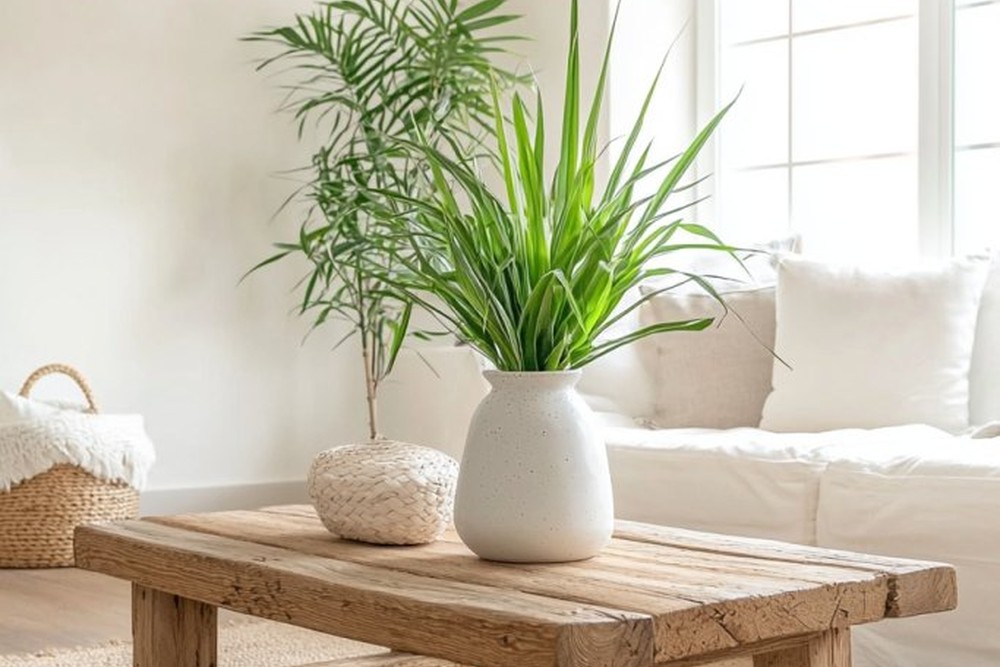
Wabi sabi transforms living rooms into spaces that celebrate imperfection, natural beauty, and quiet comfort. These 24 ideas will help you build an authentic, grounded interior that feels genuinely lived in.
Wabi sabi is a Japanese design philosophy that finds beauty in imperfection, age, and simplicity. It encourages you to choose materials and decor that tell a real story rather than chasing a polished, manufactured look.
A wabi sabi living room prioritizes natural textures, muted earthy tones, and handcrafted objects over mass-produced perfection. Every element you choose should feel honest, useful, and connected to the natural world.
1. Natural Materials Ground Interiors
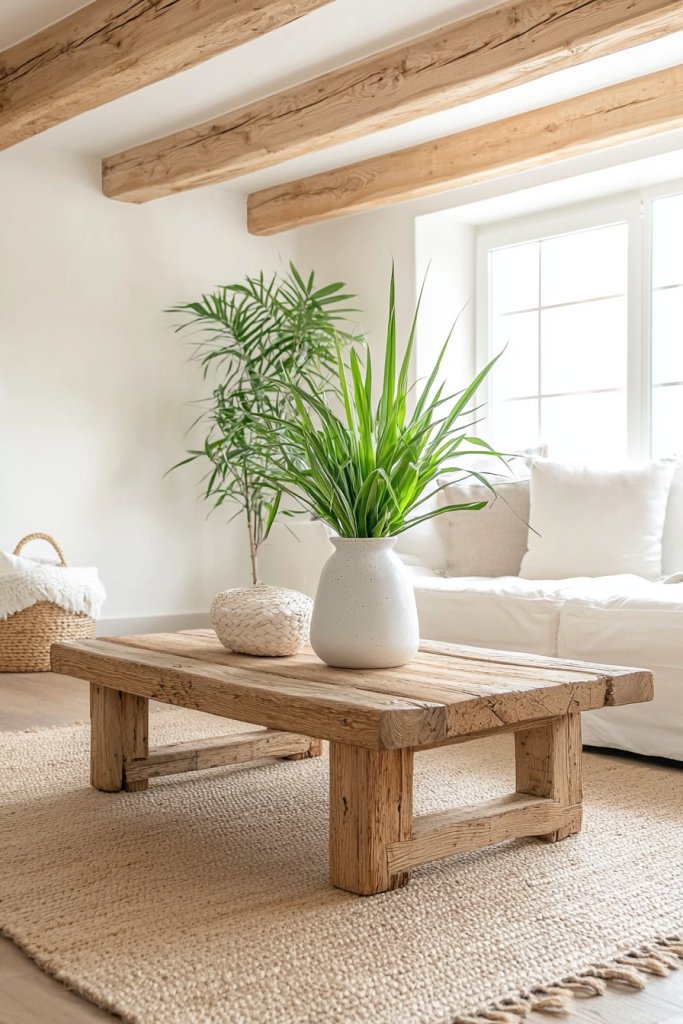
A living room built around natural materials feels warm, honest, and deeply calming. Soft linen drapes, jute rugs, stone coffee tables, and raw wood accents all work together to create a space rooted in nature.
Start with one anchor material, such as a jute area rug or a stone side table, and build outward from there. Mixing wood, stone, and natural textiles creates a layered, organic feel that no synthetic material can replicate.
2. Reclaimed Wood Adds Character
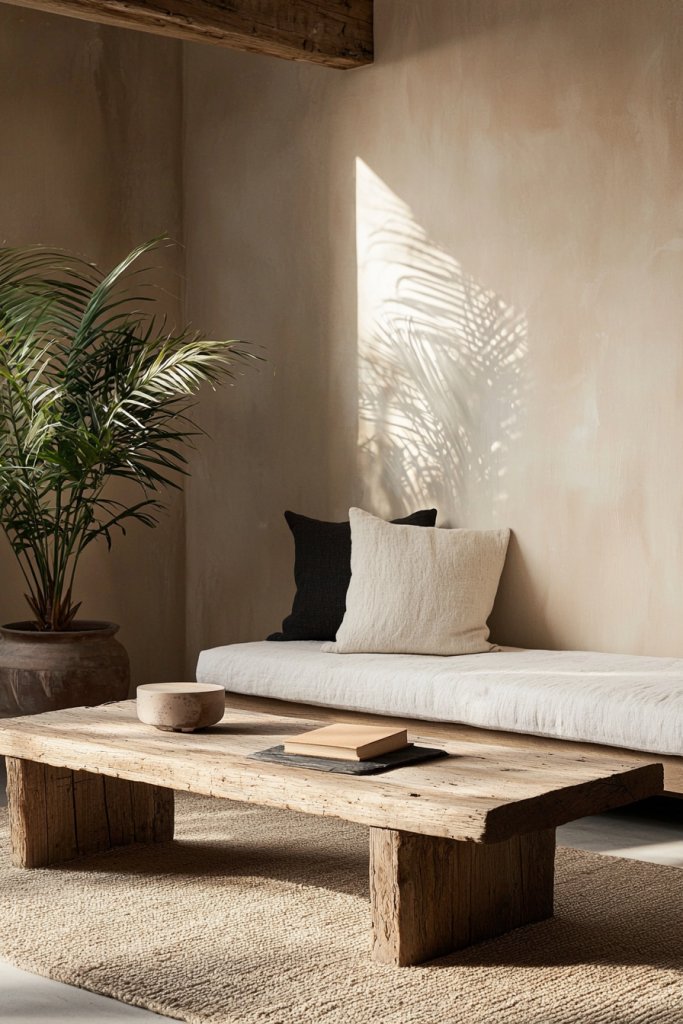
Reclaimed wood brings weathered texture, history, and warmth into a living room in a way that new timber simply cannot match. A reclaimed coffee table, a rustic console, or a feature wall made from salvaged planks all add incredible visual depth.
Pair reclaimed wood furniture with cleaner contemporary accents to create an interesting contrast that feels curated rather than cluttered. Sourcing reclaimed pieces also supports sustainability, giving beautiful old materials a meaningful second life.
3. Earthy Color Palettes Set Tone
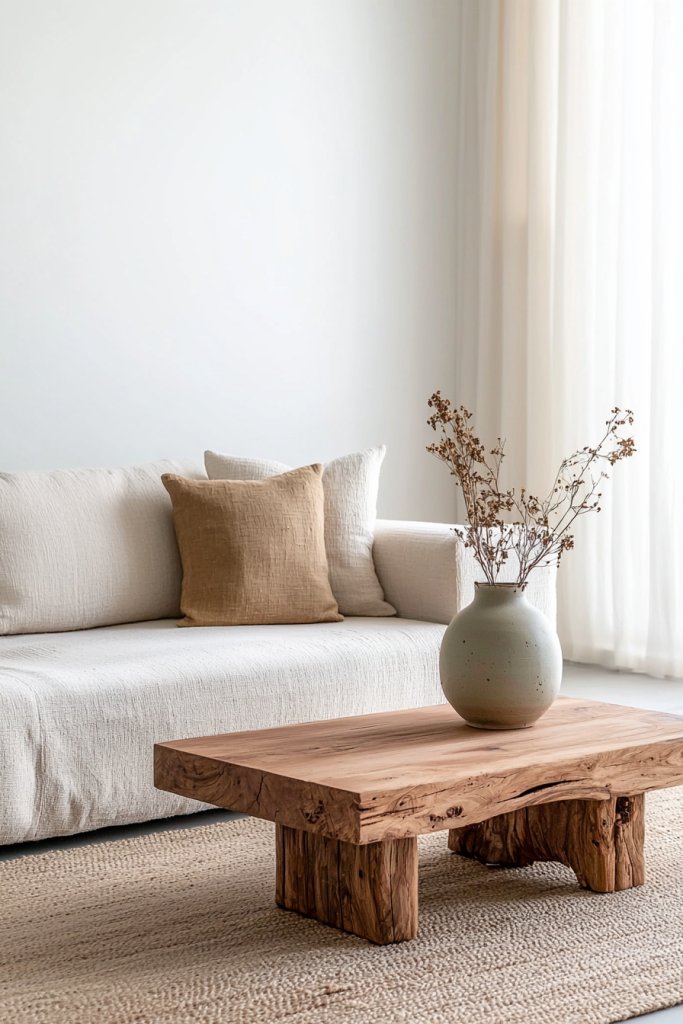
Earthy color palettes anchor a wabi sabi living room in natural, calming tones that feel timeless. Warm taupe walls, muted sage accents, deep terracotta cushions, and soft brown textiles all work together to build a cohesive, grounded atmosphere.
Choose one dominant wall color, such as warm taupe or dusty sage, and layer complementary tones through furniture and soft furnishings. Natural fabric materials like linen and cotton in earthy shades will deepen the overall color story beautifully.
4. Handmade Pottery Brings Texture
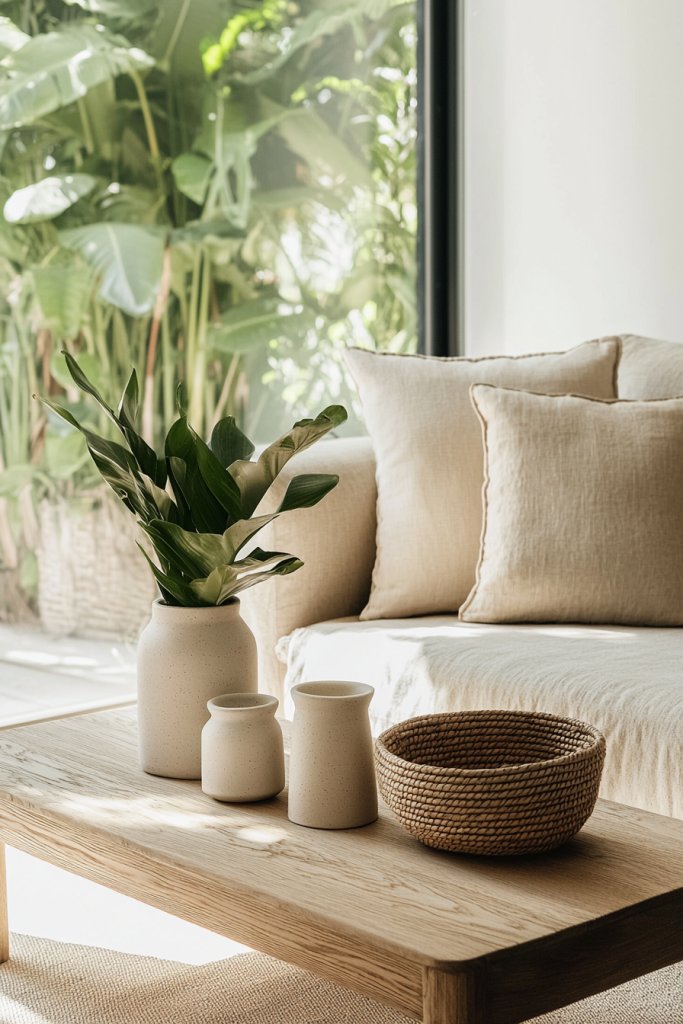
Handmade pottery introduces organic shapes, rich surface texture, and quiet artistry into a wabi sabi living room. A hand-thrown ceramic vase, a rough-glazed bowl, or an uneven clay pot each carry a visual warmth that factory-made objects simply cannot replicate.
Group pottery pieces in odd numbers on a shelf or coffee table to create an effortlessly styled display. Choose pieces with visible thumb marks, uneven glazes, or small cracks, because those imperfections are exactly what make each item beautiful.
5. Textured Fabrics Add Warmth
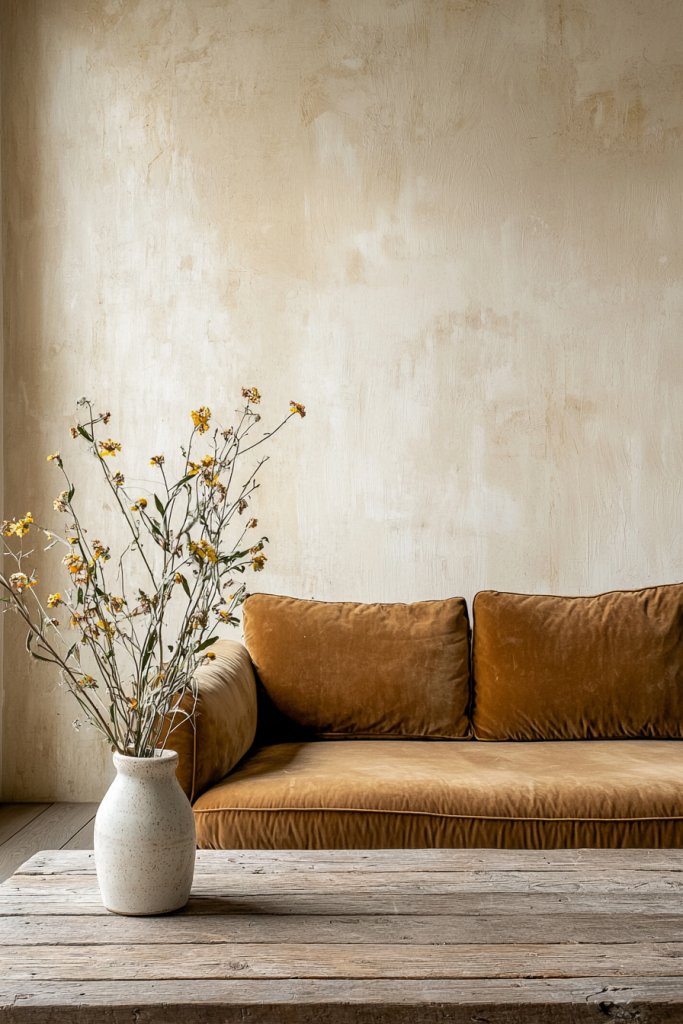
Textured fabrics transform a flat, lifeless living room into a space that invites you to sit down and stay. Chunky knit throws, nubby linen cushions, and loosely woven blankets all layer softness and tactile interest across seating areas.
Drape a chunky knit throw over the arm of your sofa and stack cushions in two or three different fabric textures for an effortless, cozy look. Mixing rough burlap with soft velvet or smooth cotton creates a rich sensory contrast that enhances the wabi sabi aesthetic.
6. Cozy Reading Nook Design
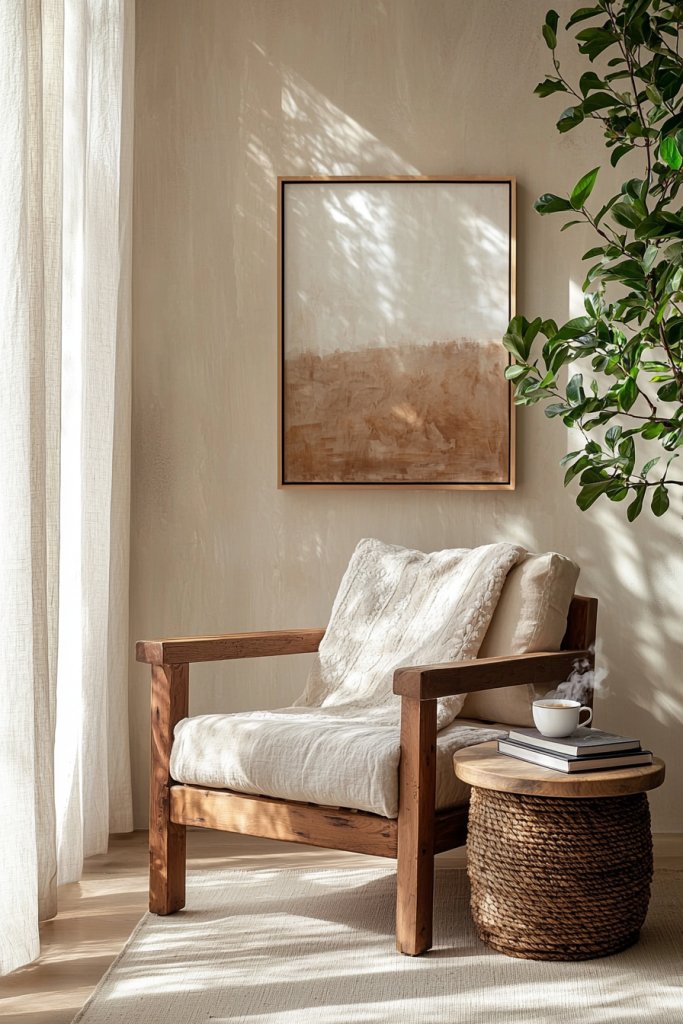
A dedicated reading nook gives a wabi sabi living room a quiet, intentional corner that feels separate from the rest of the space. A low linen armchair positioned near a window, with a small wooden side table and a soft throw, creates an inviting retreat.
Layer a sheepskin or woven rug beneath the chair to define the nook and add extra warmth underfoot. Keep the styling simple with just a small stack of books, a ceramic mug, and a single potted plant to complete the look.
7. Vintage Furniture Tells Stories
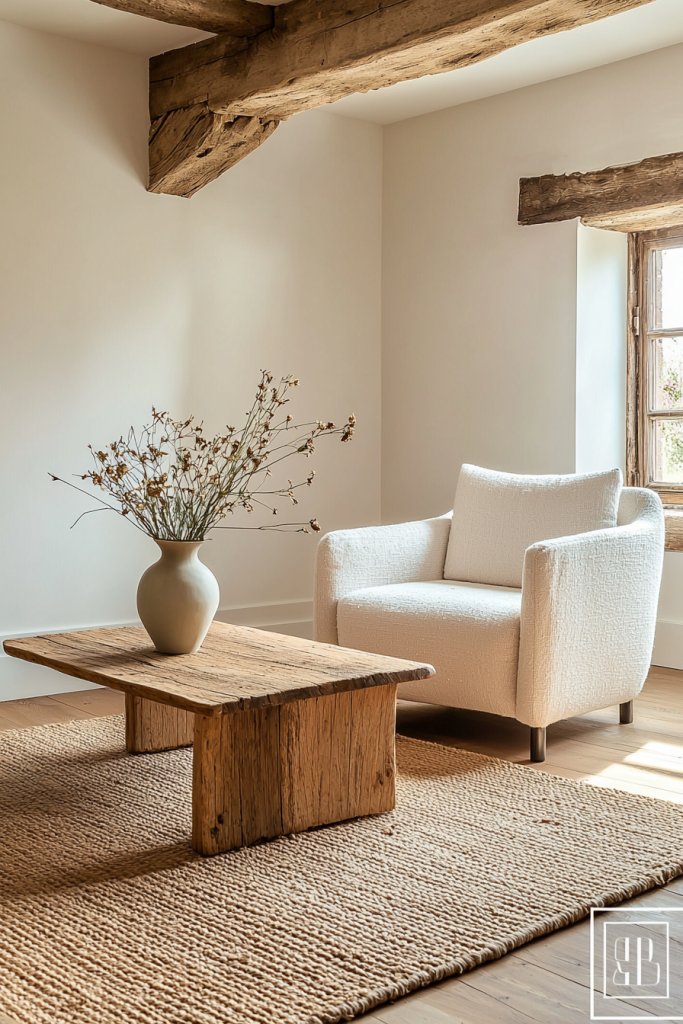
Vintage furniture carries the kind of history, patina, and imperfection that wabi sabi design celebrates above all else. A worn leather armchair, a scuffed timber bookcase, or a faded velvet sofa all bring authentic character that new furniture simply cannot fake.
Visit local markets and second-hand stores to find pieces with interesting wear patterns, original hardware, or unusual proportions. You do not need to restore vintage furniture to perfection, because its aged surface is exactly what makes it valuable in a wabi sabi interior.
8. Organic Shapes Soften Rooms
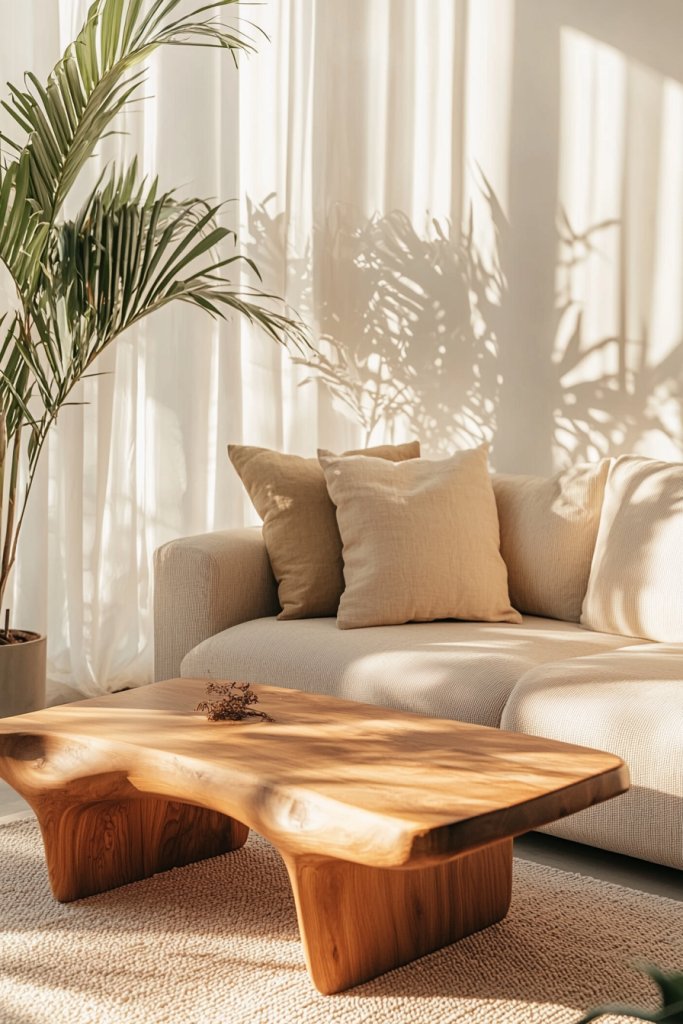
Organic shapes soften the hard lines of a living room and create a visual rhythm that feels natural and calming. Curved sofas, irregular stone sculptures, round coffee tables, and asymmetrical ceramic objects all introduce a gentle, flowing energy into the space.
Swap out a rectangular coffee table for a round or irregular-shaped alternative to immediately soften your living room layout. Mixing organic shapes with straight-edged furniture creates a balanced look that feels intentional without appearing overly designed.
9. Indoor Plants Bring Life
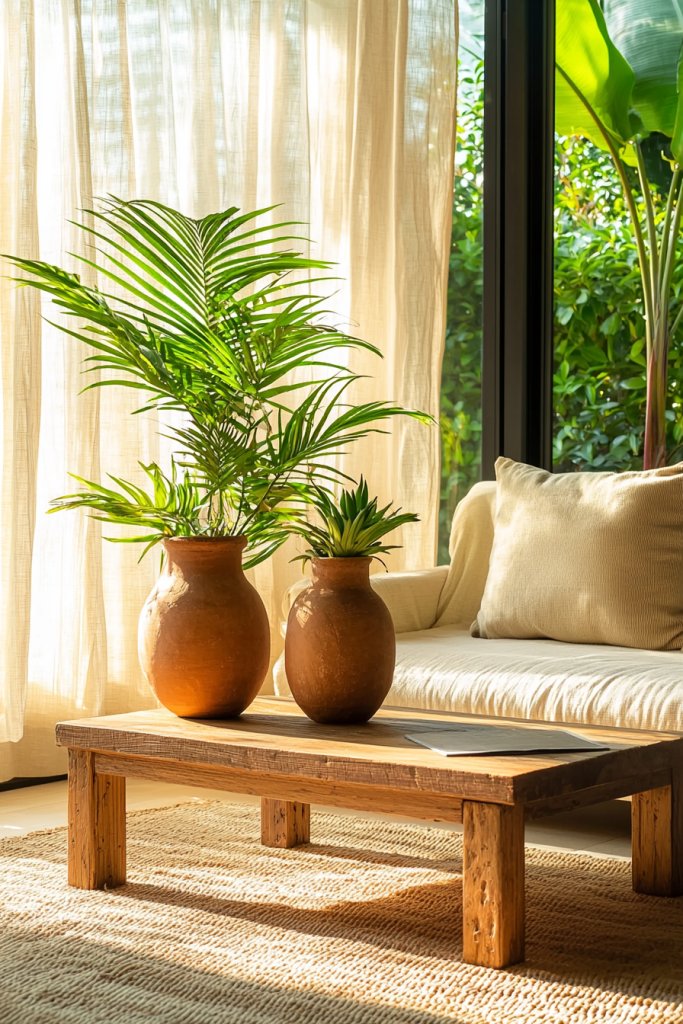
Indoor plants connect a wabi sabi living room to the natural world and introduce a quiet sense of vitality and growth. A trailing pothos on a shelf, a sculptural fiddle leaf fig in a corner, or a cluster of succulents on a windowsill all add organic life to the interior.
Choose low-maintenance plant varieties and display them in handmade ceramic or terracotta pots to strengthen the wabi sabi aesthetic. Allow plants to grow naturally rather than pruning them into perfect shapes, because their wild, imperfect form is part of their beauty.
10. Imperfect Decor Celebrates Flaws
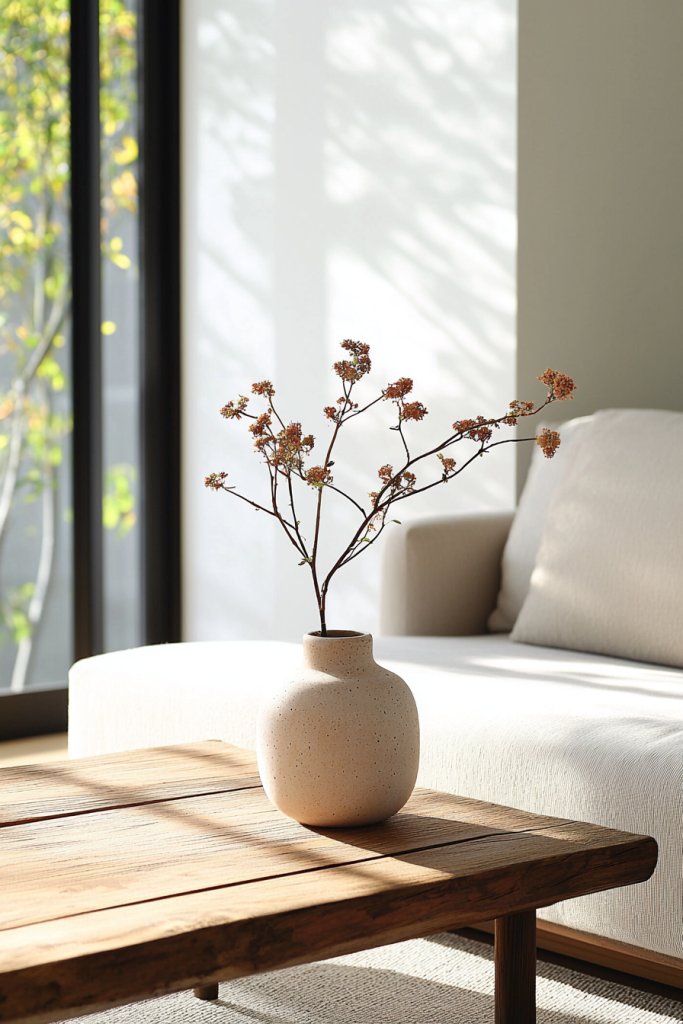
Choosing imperfect decor means actively seeking out objects with visible flaws, repairs, or signs of age rather than avoiding them. A cracked ceramic bowl repaired with gold lacquer, a faded print in a worn frame, or a dented brass candleholder all carry more character than flawless alternatives.
Shop at antique stores and artisan markets specifically to find pieces with visible history and individual quirks. Display these objects proudly on shelves and coffee tables, because their imperfections make them genuinely interesting and deeply personal.
11. Layered Rugs Add Depth
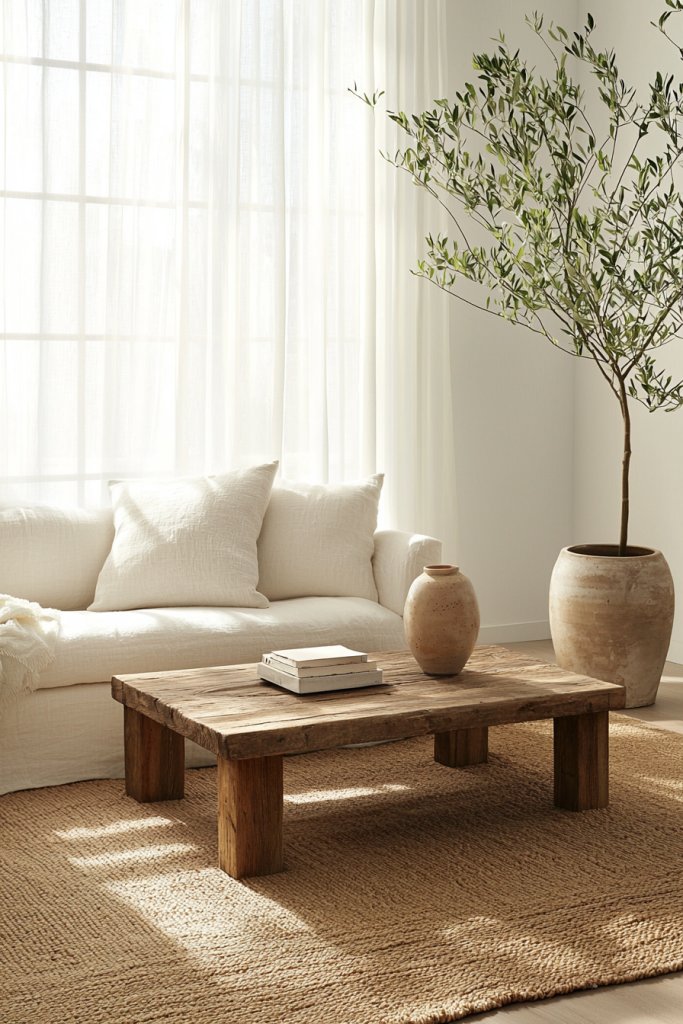
Layering rugs in a wabi sabi living room creates a rich, textured foundation that makes the space feel warm and collected over time. A large natural jute rug layered with a smaller woven kilim or a sheepskin accent builds visual depth and softness across the floor.
Place the larger, simpler rug as your base and layer a smaller patterned or textured rug on top at a slight angle for an effortless, lived-in look. Mixing different natural fibers like jute, wool, and cotton in the layering process enriches the overall texture of the room.
12. Artisan Items Add Authenticity

Artisan-made items bring genuine human craft and individual expression into a wabi sabi living room in a way that mass production never can. A hand-woven wall hanging, a carved wooden bowl, or a hand-stitched cushion each carry the visible marks of the maker.
Source artisan pieces directly from independent makers, craft markets, or ethical online platforms to ensure you are investing in genuine handcraft. Display these items prominently because their visible craftsmanship and small irregularities are exactly what gives a wabi sabi interior its soul.
13. Open Layout Encourages Flow
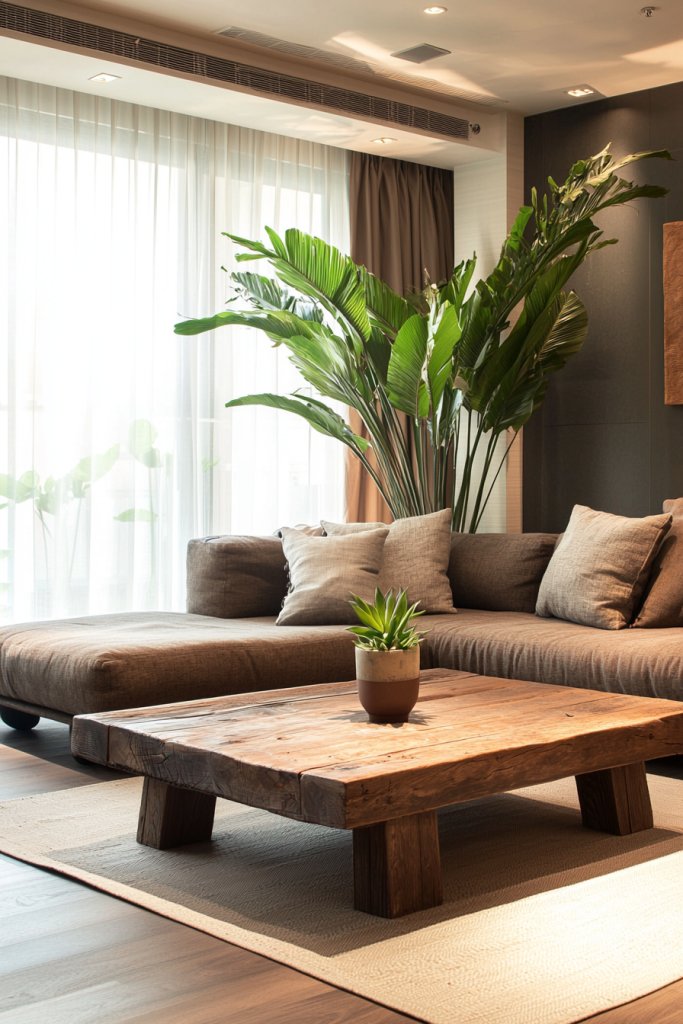
An open living room layout creates a sense of breathing space that allows natural light to move freely and the eye to rest. Wabi sabi interiors avoid clutter and overcrowding, preferring a few meaningful pieces arranged with generous space between them.
Remove unnecessary furniture and allow negative space to become an active part of your room’s design rather than something to fill. Positioning seating to face natural light sources and keeping pathways clear creates a calm, unobstructed flow throughout the space.
14. Raw Finishes Add Texture

Raw, unfinished surfaces bring an honest, tactile quality to a wabi sabi living room that polished finishes completely obscure. Exposed concrete walls, unsealed timber shelving, rough plaster, and untreated stone all showcase the natural character of each material.
If your walls are already plastered smooth, consider applying a limewash or textured paint finish to introduce a raw, aged quality. Leaving timber furniture unsealed or lightly oiled rather than heavily lacquered preserves the wood’s natural grain and honest surface texture.
15. Natural Fiber Textiles Layer Beautifully
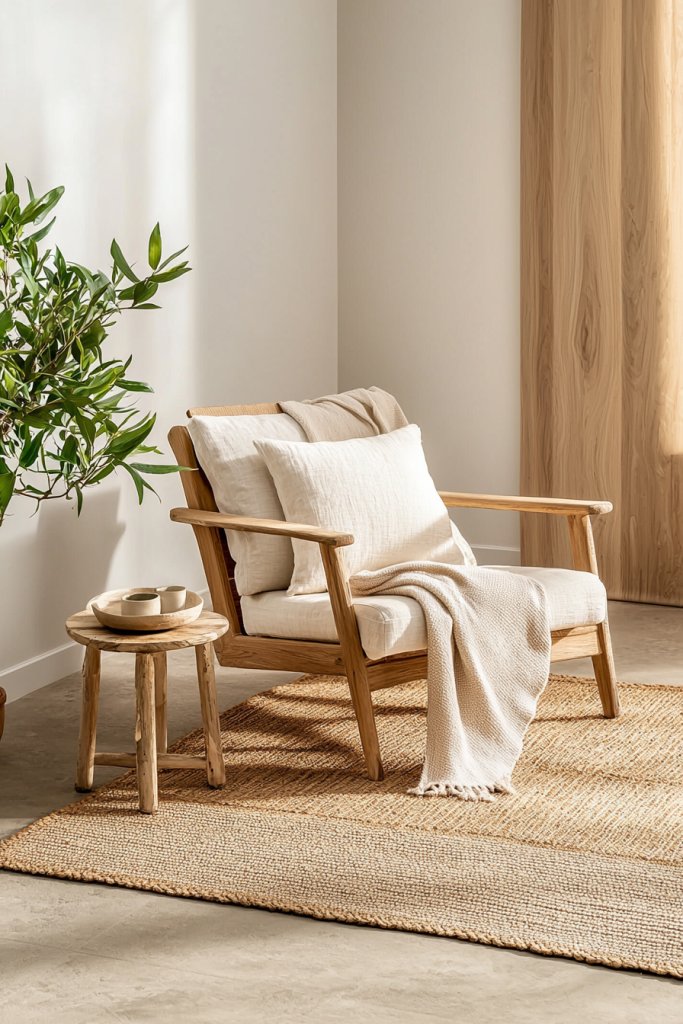
Natural fiber textiles introduce an earthy softness and genuine material honesty that synthetic fabrics cannot achieve in a wabi sabi interior. Linen curtains, cotton slipcovers, hemp cushion covers, and wool throws all bring warmth, texture, and breathability into the living room.
Choose undyed or naturally dyed natural fiber textiles in neutral, earthy tones to maintain a cohesive color palette throughout the room. Washing linen and cotton repeatedly softens them beautifully over time, which only deepens their wabi sabi character and comfort.
16. Stone Elements Add Weight

Stone elements bring a grounding, timeless weight to a wabi sabi living room that connects the interior directly to the natural landscape. A rough-edged stone coffee table, a river rock candle holder, or slate coasters all introduce tactile, earthy presence into the space.
Position a larger stone piece, such as a slab coffee table or a stone sculpture, as a visual anchor in your seating arrangement. Pair stone surfaces with softer textiles like linen and wool to balance the room’s texture and prevent it from feeling too cold or hard.
17. Minimalist Approach Reduces Clutter

A minimalist approach in a wabi sabi living room means choosing fewer, more meaningful objects rather than filling every surface with decoration. Each item you keep should earn its place through beauty, function, or personal significance rather than habit or impulse.
Edit your living room by removing anything that does not add genuine warmth or meaning to the space, and store the rest out of sight. A room with fewer, better-chosen objects always feels calmer, more intentional, and more deeply aligned with wabi sabi values.
18. Personal Art Reflects Identity

Displaying personal art in a wabi sabi living room transforms blank walls into a genuine expression of individual experience and memory. Original paintings, hand-drawn sketches, printed photographs, or children’s artwork all carry a personal authenticity that purchased prints cannot replicate.
Arrange personal art pieces in informal clusters or lean larger works directly against the wall rather than hanging everything in rigid, formal lines. Mixing different sizes, frames, and mediums in a relaxed arrangement creates a display that feels collected and genuinely personal.
19. Mixed Styles Create Harmony
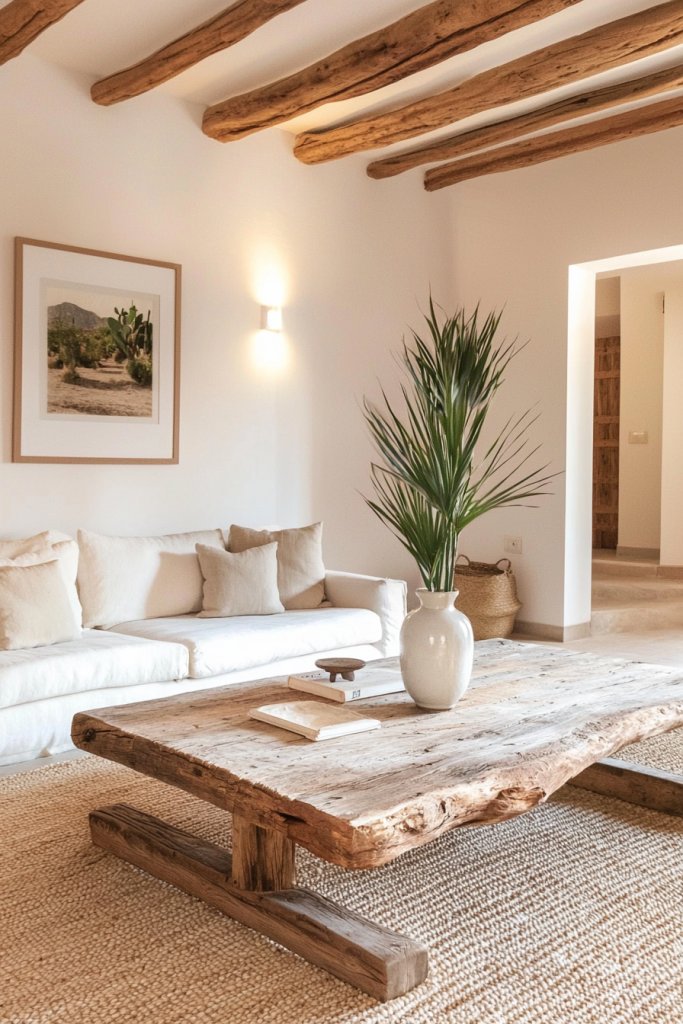
Mixing interior styles in a wabi sabi living room creates a layered, personal aesthetic that feels collected over time rather than designed all at once. Combining rustic timber furniture with mid-century modern chairs, or pairing contemporary art with antique textiles, builds a visually rich and interesting space.
Anchor mixed styles with a consistent color palette or a unifying natural material so the room feels cohesive rather than chaotic. Allow each piece to retain its own identity while contributing to the broader story of the room as a whole.
20. Patina Enhances Aged Beauty
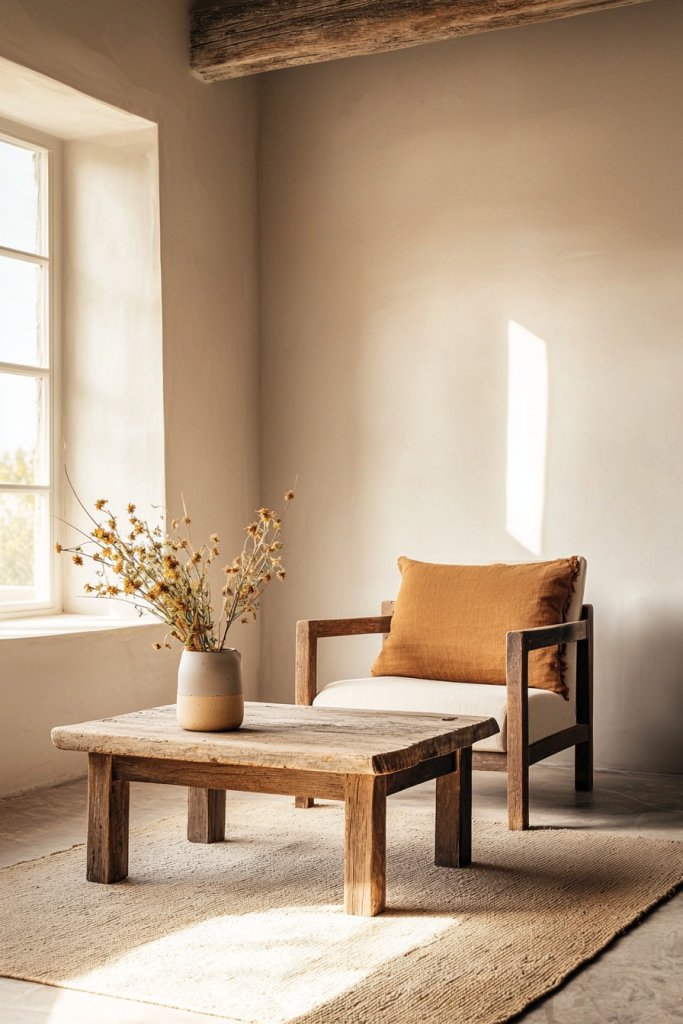
Patina on furniture, metal fixtures, and decorative objects adds a layer of visual richness and authentic age that new surfaces simply cannot produce. A tarnished brass lamp, a verdigris bronze bowl, or a scuffed leather ottoman each tell a story of time and use.
Seek out patinated pieces at antique dealers, estate sales, and vintage markets rather than trying to artificially replicate the effect with paint. Resist the urge to polish or restore patina away, because its aged surface is a genuinely beautiful record of an object’s history.
21. Fireplace Creates Warm Focal Point

A fireplace creates the most natural and compelling focal point a wabi sabi living room can have, drawing people together around warmth and light. Whether you work with a traditional stone hearth, a cast iron insert, or a simple candle-filled alcove, the effect centers the entire room.
Arrange seating to face the fireplace directly and keep the mantel styling simple with just a few handmade ceramic pieces or a single branch in a vase. A fireplace styled with restraint always makes a stronger design statement than one crowded with too many decorative objects.
22. Functional Decor Serves Purpose
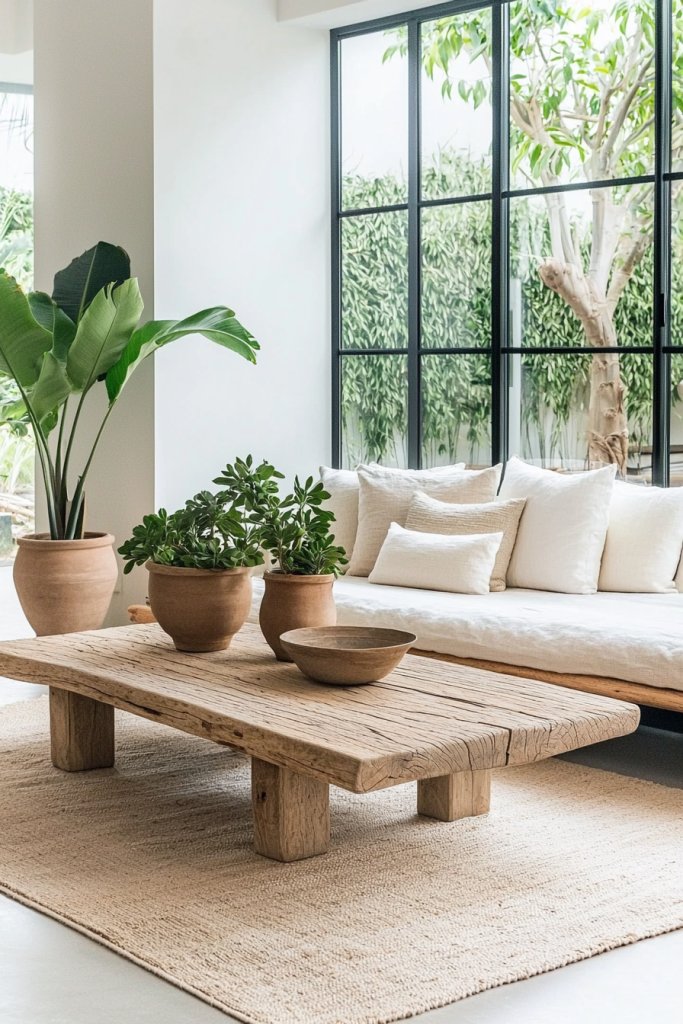
Functional decor in a wabi sabi living room means choosing objects that serve a real purpose while also contributing beauty and warmth to the space. A woven basket that stores blankets, a ceramic tray that holds remotes, or a wooden bowl that catches keys all combine utility with visual appeal.
Replace purely decorative objects with functional alternatives made from natural materials to strengthen the wabi sabi philosophy throughout your room. Every item on display should either serve a daily purpose, carry personal meaning, or contribute genuine texture and beauty to the interior.
23. Seasonal Changes Refresh Spaces
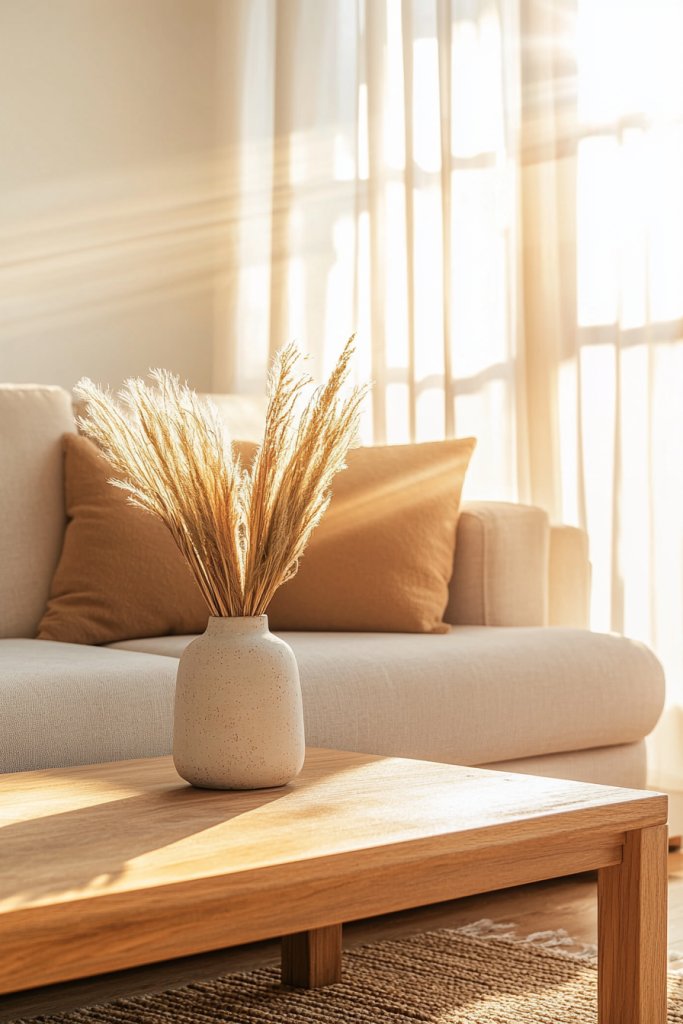
Updating your living room decor to reflect the changing seasons keeps the space feeling alive, intentional, and connected to the natural world outside. Swap heavy wool throws for light linen ones in warmer months, or bring in autumn leaves, pine cones, and dried grasses as simple seasonal displays.
Keep a small collection of seasonal natural objects, such as dried flowers, branches, and stones, that you can rotate through the year without spending money. These small, considered changes reflect the wabi sabi appreciation for impermanence and the quiet beauty of each passing season.
24. Community Seating Fosters Connection

A wabi sabi living room designed for community prioritizes generous, comfortable seating arrangements that invite people to gather, linger, and connect. Low sofas, floor cushions, and a central coffee table create an informal, welcoming layout that removes barriers between people.
Arrange seating in a circular or inward-facing layout to encourage genuine conversation rather than positioning furniture toward a television screen. Adding extra floor cushions and a large woven rug gives guests flexible seating options and makes the space feel genuinely open and inviting.
Start with just one or two changes from this list, such as adding a handmade ceramic piece or layering a natural fiber rug, and let your wabi sabi living room evolve gradually. The most authentic spaces always develop slowly, with intention and care.