Small living rooms demand smart design choices that balance style with function. These 24 ideas prove you can create a beautiful, spacious-feeling room without knocking down a single wall.
Decorating a small living room feels overwhelming when every furniture choice matters. The right approach combines smart storage, visual tricks, and flexible pieces that adapt to your daily needs.
Small spaces reward intentional decorating more than any other room in the home. Every surface, corner, and wall becomes an opportunity to add function without adding clutter.
1. Open Shelving Maximizes Wall Space

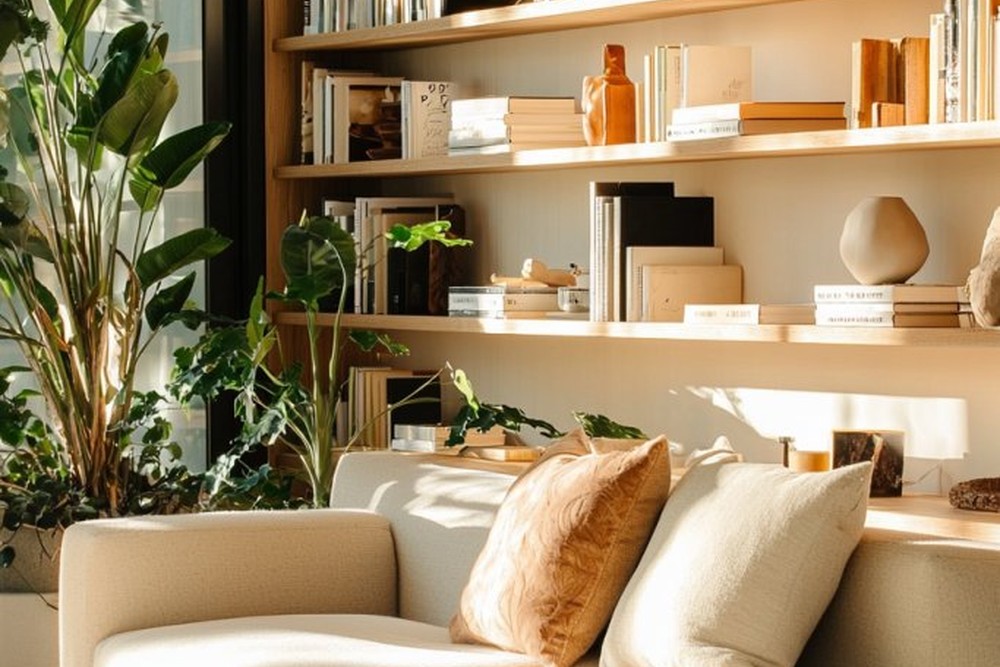
Open shelving draws the eye upward and creates a strong vertical focal point in any small living room. Curated books, trailing plants, and decorative objects sit on display without consuming precious floor space.
Mix textures and heights across your shelves to build visual interest and avoid a flat, uniform look. Add baskets or woven bins to the lower shelves so you can tuck away items that need concealing.
2. Neutral Palette Opens Small Rooms

Soft beiges, warm grays, and creamy whites reflect natural light and make a compact living room feel significantly larger. A consistent neutral tone across walls, sofas, and rugs creates a seamless, uninterrupted visual flow.
Layer different textures within your neutral palette to prevent the room from feeling flat or lifeless. Linen cushions, a wool throw, and a jute rug all work together to add warmth and depth simultaneously.
3. Multi-Functional Furniture Saves Space

Multi-functional furniture transforms a small living room by letting each piece serve at least two purposes at once. A sofa that converts into a guest bed or a storage ottoman that doubles as a coffee table removes the need for extra pieces.
Choose furniture with clean lines and a streamlined silhouette to prevent the room from feeling visually heavy. A dining table that expands only when guests arrive keeps your everyday layout open and comfortable.
4. Mirrors Create Spacious Room Illusion

A large mirror on a key wall reflects light and tricks the eye into perceiving more square footage than actually exists. Positioning a mirror opposite a window doubles the natural light that moves through the room.
Choose a mirror with a slim, simple frame to keep the look clean and avoid adding visual bulk to the wall. A full-length leaning mirror in a corner works beautifully in a small living room without requiring any installation.
5. Wall-Mounted Desk Frees Floor Space

A wall-mounted desk folds flat against the wall and disappears completely when you finish working, reclaiming valuable floor space. This solution suits small living rooms where a dedicated home office simply cannot occupy its own room.
Mount the desk at a comfortable seated height and pair it with a slim stool that slides neatly underneath when not in use. Choose a finish that matches your existing shelving or cabinetry so the desk blends into the overall room design.
6. Area Rugs Define Living Zones

A well-placed area rug anchors a seating arrangement and creates a clear, defined zone within an open-plan small living room. This visual boundary separates the lounge area from a dining or workspace without requiring a physical partition.
Choose a rug that extends at least six inches beyond the front legs of your sofa to make the seating area feel generous. A lighter-toned rug with a low pile keeps the floor feeling open rather than heavy and closed in.
7. Vertical Storage Solutions Maximize Height

Tall bookshelves and floor-to-ceiling cabinetry exploit the full height of a small living room and draw attention upward. This vertical approach stores far more than low furniture ever could while keeping the floor area clear.
Paint tall shelving units the same colour as your walls so they recede visually and feel built-in rather than added on. Reserve the highest shelves for infrequently used items and keep everyday essentials at a comfortable, accessible height.
8. Compact Sofa Suits Small Layouts

A compact two-seater or apartment-sized sofa fits a small living room without pushing every other piece of furniture to the walls. Choosing a sofa with raised legs also creates a sense of airiness by revealing the floor beneath it.
Opt for a light upholstery fabric in a neutral tone to prevent the sofa from dominating the visual weight of the room. Avoid oversized rolled arms and instead select a streamlined profile that leaves breathing room around every side.
9. Nook Seating Creates Cozy Corners

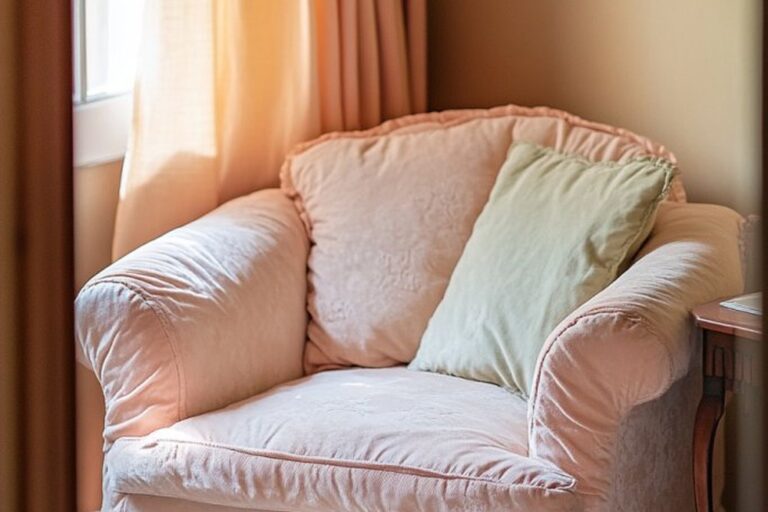
An awkward alcove or underused corner transforms into a charming, purposeful seating nook with a cushioned bench and a few throw pillows. This approach turns a spatial challenge into one of the most inviting spots in the entire room.
Add a small side table or a wall-mounted shelf next to the nook to complete the sitting area without crowding it. Choose cushion covers in a fabric that complements your main sofa to tie the nook into the overall room palette.
10. Foldable Furniture Adapts Daily Needs

Foldable furniture gives a small living room the flexibility to shift from a relaxed lounge to an entertaining space within minutes. Folding chairs, drop-leaf tables, and stackable stools move out of the way completely when nobody needs them.
Store folded pieces inside a cabinet or behind a curtain so they stay accessible without cluttering the room visually. Choose foldable furniture in natural wood or matte metal finishes to maintain a cohesive and intentional interior style.
11. Layered Lighting Adds Room Depth

Layering ambient, task, and accent lighting gives a small living room dimension and makes the space feel far larger after dark. A single overhead fixture flattens a room, while multiple light sources create warmth and visual interest at different heights.
Use floor lamps in corners to push light into darker areas and make the room feel wider than it actually measures. Warm-toned bulbs throughout every fixture create a cozy, cohesive atmosphere that feels considered rather than accidental.
12. Decorative Baskets Hide Clutter Stylishly

Woven baskets placed on open shelves or beside the sofa handle storage duties while adding natural texture to the room. They conceal blankets, magazines, and remote controls without requiring any cabinetry or closed storage units.
Choose baskets in complementary natural tones like seagrass, rattan, or cotton rope to keep the look warm and consistent. Vary the sizes slightly so the grouping feels relaxed and organic rather than overly uniform and rigid.
13. Strategic Artwork Enhances Wall Interest

Hanging artwork at the correct eye level and in considered groupings makes walls work hard in a small living room. A single oversized piece creates a confident focal point, while a curated cluster adds personality across a larger wall section.
Keep frames in a consistent finish or colour family so a grouping reads as intentional rather than cluttered. Lean smaller pieces on shelves or a mantelpiece to add flexibility and avoid commitment to a permanent wall arrangement.
14. Glass Accents Lighten Room Visually

Glass and lucite furniture pieces sit in a small living room without visually occupying the space the way solid pieces do. A glass-top coffee table or a clear acrylic side table lets the eye travel straight through, keeping the floor area open.
Pair transparent pieces with warmer textures like a wool rug or a linen sofa to prevent the room from feeling cold or clinical. A single glass accent piece within a styled vignette makes a far greater impact than using too many at once.
15. Built-In Seating Maximises Awkward Spaces

Built-in bench seating along a wall or beneath a window squeezes seating capacity into a small living room without adding freestanding furniture footprint. The clean, continuous line of a built-in also makes the room feel more architecturally considered and polished.
Incorporate a hinged seat lid to turn the bench base into a deep storage compartment for bulky items like extra cushions. Upholster the seat in a durable, easy-clean fabric and keep the colour close to your wall tone for a seamless finish.
16. Murphy Bed Transforms Living Spaces

A Murphy bed folds flush against the wall during the day and converts a small living room into a functional guest bedroom at night. The wall panel conceals the bed entirely and can integrate shelving or a desk on its outer face.
Choose a Murphy bed unit with a warm timber or painted finish that matches the surrounding cabinetry for a built-in appearance. Style the wall panel with framed art or plants during the day so it reads as a deliberate design feature.
17. Storage Coffee Table Reduces Clutter

A coffee table with built-in drawers, a lift-top mechanism, or an open lower shelf handles storage and surface duties simultaneously in a small living room. This single piece replaces the need for a separate side table or storage basket beside the sofa.
A lift-top coffee table works particularly well in small rooms where it can double as a casual dining surface or a laptop desk. Choose a table with tapered legs and a compact footprint so it sits lightly in the centre of the seating arrangement.
18. Slimline Furniture Suits Tight Layouts

Slimline furniture with narrow profiles and minimal visual weight moves through a small living room without blocking sightlines or creating congestion. Slim console tables, narrow armchairs, and compact side tables each contribute function without eating into precious circulation space.
Prioritise pieces with exposed legs over solid-based furniture so the floor remains visible and the room feels open beneath each item. A consistently slender aesthetic across all your furniture choices creates a cohesive room that feels intentionally designed.
19. Gallery Wall Adds Personalised Style

A gallery wall fills a large expanse of empty wall with personality and colour without adding a single piece of furniture to the floor. Combining prints, photographs, and small mirrors in a considered arrangement creates a rich focal point in a small living room.
Lay your gallery arrangement out on the floor first and adjust the spacing before committing any frames to the wall. Keep a consistent mat or frame colour running through the collection to unify pieces with different styles and subjects.
20. Sliding Doors Save Circulation Space

Sliding doors eliminate the floor clearance that a hinged door requires and instantly reclaim usable space in a small living room. A sliding barn-style door or a slim-framed glass panel closes off an adjoining room without the arc of a traditional door swing.
Choose a sliding door in a finish that complements your existing flooring or cabinetry to keep the transition between rooms seamless. A frosted or reeded glass sliding panel lets light filter through while maintaining a degree of visual separation between spaces.
21. Daybed Offers Flexible Room Function

A daybed functions as a sofa during the day and converts to a sleeping surface at night, making it ideal for a small living room that must serve multiple purposes. Its lower, elongated profile also suits compact rooms better than a traditional sofa-and-armchair arrangement.
Style the daybed with layered cushions and a textured throw during the day so it reads confidently as a seating piece rather than a bed. Choose a daybed frame in natural timber or matte black metal to anchor the piece within the room’s overall colour scheme.
22. Console Table Divides Open Spaces

A console table placed behind a sofa creates a subtle room divider that separates a living area from a dining or entry space in an open-plan layout. The slim profile of a console takes up almost no floor space while clearly signalling a shift from one zone to the next.
Style the console surface with a lamp, a small plant, and a few curated objects to make it feel like an intentional part of the room. Choose a console with a lower shelf to gain extra storage without increasing the table’s overall visual footprint.
23. Lightweight Furniture Enables Easy Rearranging

Lightweight furniture allows you to reconfigure a small living room layout quickly and without effort, adapting the space to different needs each day. Cane chairs, slim timber stools, and lightweight occasional tables move easily without scratching floors or straining anyone’s back.
Choose pieces you can lift with one hand so rearranging feels spontaneous rather than like a renovation project. A flexible layout keeps a small living room feeling fresh and responsive to how you actually use the space each week.
24. Indoor Plants Bring Rooms to Life

Indoor plants inject colour, texture, and a sense of vitality into a small living room without consuming significant floor space. A trailing pothos on a high shelf, a sculptural fiddle leaf fig in a corner, and a small succulent on the coffee table each add life at different levels.
Choose planters in earthy tones like terracotta, stone, or matte white to keep the look grounded and consistent with a neutral interior palette. Group plants in odd numbers at varying heights to create a natural, styled arrangement that feels curated rather than random.
Start with one or two of these ideas and build your small living room transformation from there. A few smart swaps make an immediate impact and give you the confidence to keep going.