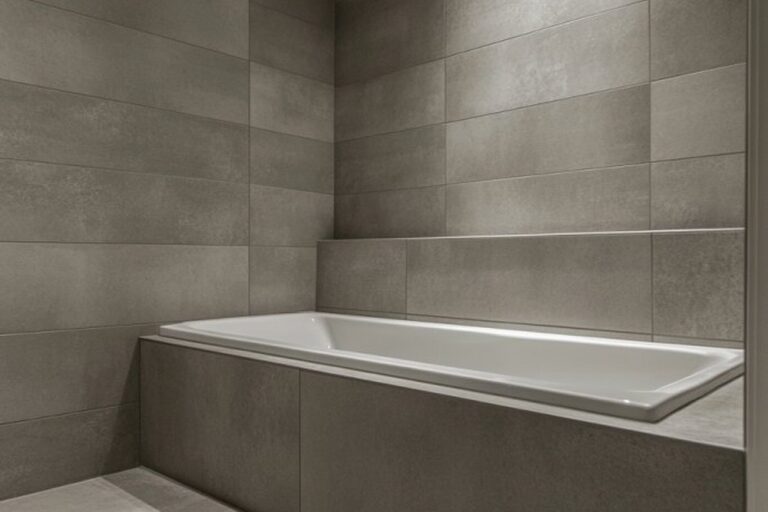

A tiny bathroom can feel just as luxurious and open as a grand spa with the right design choices. These twelve clever ideas will help you style every inch with purpose and visual breathing room.
Small bathrooms challenge even the most experienced interior designers, but smart styling choices turn tight spaces into surprisingly airy retreats. Every decision, from wall color to fixture placement, shapes how spacious a room feels.
The key to a successful small bathroom lies in layering light, reducing visual clutter, and choosing furniture that works with the room rather than against it. When you approach each element with intention, even the most compact bathroom becomes a stylish and functional space.
1. Light Colors Maximize Space

Soft whites, pale blues, and gentle greens on bathroom walls instantly push the boundaries of the room outward. Glossy finishes on walls and fixtures reflect natural light, amplifying brightness and creating a genuinely airy atmosphere throughout the space.
Choose fixtures in the same light tonal family as your walls so the eye travels across the room without interruption. Add light-hued towels and minimal accessories to reinforce the cohesive, open palette you have established.
2. Floating Vanity Opens Floors

A floating vanity lifts off the floor and immediately creates the illusion of more square footage in a small bathroom. The exposed floor beneath the unit allows light to travel freely across the room, making the entire space feel larger and less cluttered.
Select a floating vanity with clean lines and a light wood or bright white finish to maintain an open, modern feel. Add a pair of wall-mounted sconces beside the mirror to boost functional lighting without consuming precious counter space.
3. Open Shelving Adds Airiness

Open shelving replaces heavy closed cabinets with a lighter, more visual approach to bathroom storage. Floating shelves in rustic wood or painted white display neatly rolled towels, small baskets, and decorative objects without closing off the room.
Keep the items you display on open shelves consistent in color and height so the arrangement feels intentional rather than cluttered. Limit each shelf to a few well-chosen pieces so the storage becomes a styled feature rather than an overflow area.
4. Pocket Door Saves Room

A standard swing door consumes valuable floor area in a tiny bathroom every single time it opens. A pocket door slides directly into the wall cavity, freeing up that swept floor space and allowing furniture placement much closer to the doorway.
Choose a pocket door with a sleek, frameless finish to maintain clean sightlines and a contemporary interior aesthetic. Pair it with a recessed handle to keep the surface flush and visually unobtrusive against the surrounding wall.
5. Compact Fixtures Reclaim Space

Compact fixtures, including smaller-profile toilets and narrow sinks, fit the true scale of a small bathroom without overwhelming it. Wall-mounted toilets in particular push the tank into the wall and leave more visible floor space throughout the room.
Measure your bathroom carefully and shop specifically for fixtures labeled as compact or space-saving before committing to a purchase. Matching the finish across all fixtures creates a coordinated look that feels intentional and visually expands the space.
6. Built-In Nooks Store Smartly

Built-in nooks carved into bathroom walls provide storage without projecting into the room at all. These recessed alcoves sit flush with the surrounding tile and offer a polished, architectural detail that doubles as practical shelving for toiletries and candles.
Position a built-in nook inside the shower wall at a comfortable reaching height to eliminate the need for a bulky shower caddy. Tile the interior of the nook in a contrasting color or pattern to turn functional storage into a genuine design feature.
7. Faux Window Brightens Walls

A faux window effect adds the impression of depth and natural light to a bathroom wall with no actual structural work required. A large, backlit frosted glass panel or a framed mirror styled to resemble a window tricks the eye beautifully and brightens a dark interior wall.
Mount the faux window at the same height as a real window would sit so the illusion reads as convincing and natural. Frame it in painted wood trim that matches your other bathroom woodwork to tie the design together cohesively.
8. Towel Ladder Saves Wall Space

A towel ladder leans against the bathroom wall and holds multiple towels in a vertical stack without requiring any wall hardware at all. Its slim profile fits neatly into a corner and adds a relaxed, boutique-hotel aesthetic to even the tiniest bathroom.
Choose a towel ladder in natural wood or matte black metal to complement your existing bathroom color palette and fixture finishes. Drape towels in coordinating colors for a styled, editorial look that feels curated rather than functional.
9. Hooks Replace Towel Bars

Individual wall hooks take up far less wall space than a traditional towel bar and offer flexible, grab-and-go functionality. You can arrange hooks in a tight vertical line or a small cluster to fit any awkward wall section a towel bar simply cannot occupy.
Select hooks in a finish that matches your faucets and light fixtures to create a cohesive hardware story throughout the bathroom. Install hooks at varying heights along one wall to accommodate both adults and children without crowding the space.
10. Colorful Accents Add Personality

Bold colorful accents inject personality into a neutral small bathroom without overwhelming the limited space with heavy color. A vibrant bath mat, a set of jewel-toned towels, or a single piece of framed wall art introduces warmth and visual interest in a controlled way.
Limit colorful accents to two or three items in the same hue family so the room feels intentional and harmonious rather than chaotic. Swap out accessories seasonally to refresh the bathroom’s look without committing to a full repaint or renovation project.
11. Slim Bathtub Fits Tight Spaces

A slim or slipper-style bathtub offers the luxury of a full soak while occupying considerably less floor space than a standard tub. Narrow freestanding tubs in particular create a sculptural focal point that draws the eye and elevates the room’s overall style immediately.
Position a slim bathtub along the longest wall of the bathroom to use the room’s proportions to their best advantage. Choose a white or light stone finish to keep the tub visually lightweight and in harmony with a bright, open color scheme.
12. Recessed Lighting Lifts Ceilings

Recessed ceiling lights eliminate the visual weight of hanging pendants and surface-mounted fixtures in a small bathroom. By sitting flush within the ceiling plane, recessed lights direct a clean wash of illumination downward without consuming any headroom or drawing attention to a low ceiling.
Install recessed lights in a grid pattern across the entire ceiling to distribute light evenly and eliminate shadowy corners that make small rooms feel even smaller. Pair recessed ceiling lights with a backlit vanity mirror to layer light sources and create a bright, spa-like atmosphere.
Start with one or two of these ideas and watch your small bathroom transform into a space that feels far larger than its measurements suggest. Choose the changes that align with your current style and build from there for a bathroom that genuinely surprises every guest.