Scandinavian design transforms living rooms into luminous, calm spaces that feel both expansive and deeply inviting. These 22 ideas will help you build a light-filled interior with purpose and style.
Scandinavian interiors rely on a simple truth: light is the most powerful decorating tool available. Designers in Nordic countries mastered this philosophy out of necessity, using every technique possible to maximize brightness through long, dark winters.
The result is a design style that pairs pale colors, natural materials, and minimal clutter to keep rooms feeling open and serene. Every choice, from flooring to furniture, works together to amplify both natural and artificial light.
1. Large Windows Maximize Natural Light
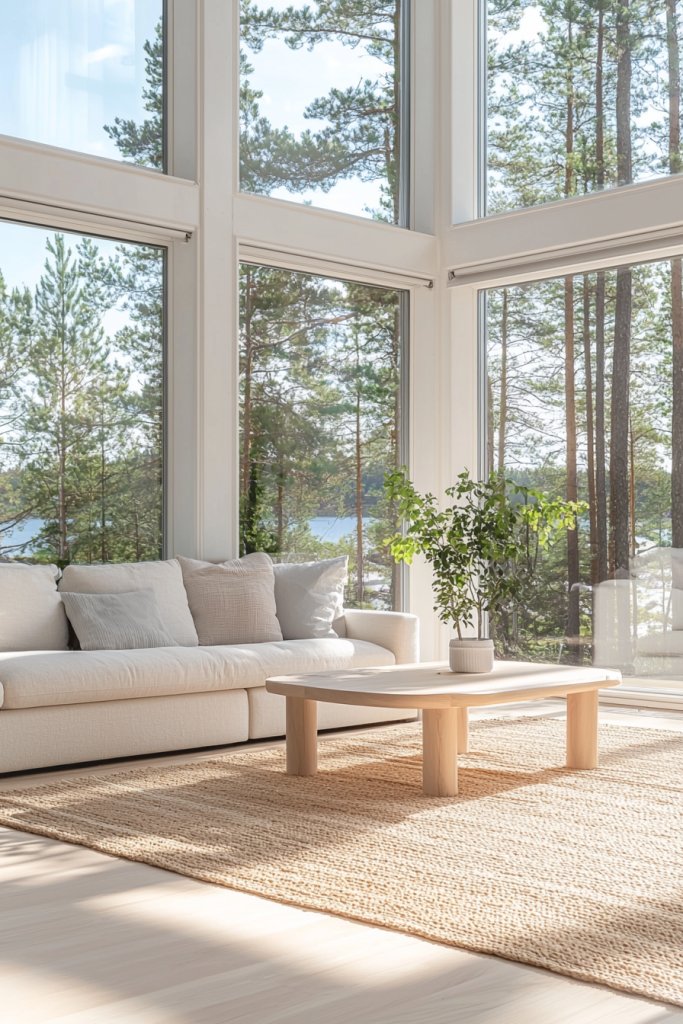
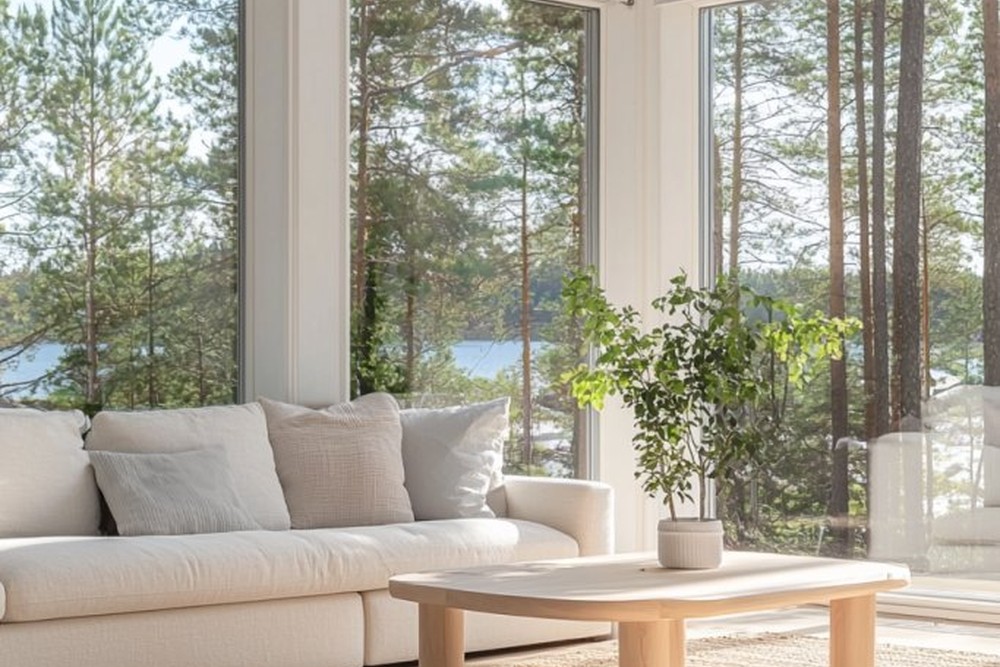
Large windows define the Scandinavian living room by pulling sunlight deep into the space. The glass creates a direct visual connection to the outdoors, making the room feel like an extension of nature itself.
Hang sheer linen curtains to soften incoming light without blocking it from reaching every corner. Position your main seating close to the windows so family members naturally gather in the brightest part of the room.
2. Light Wall Colors Brighten Rooms
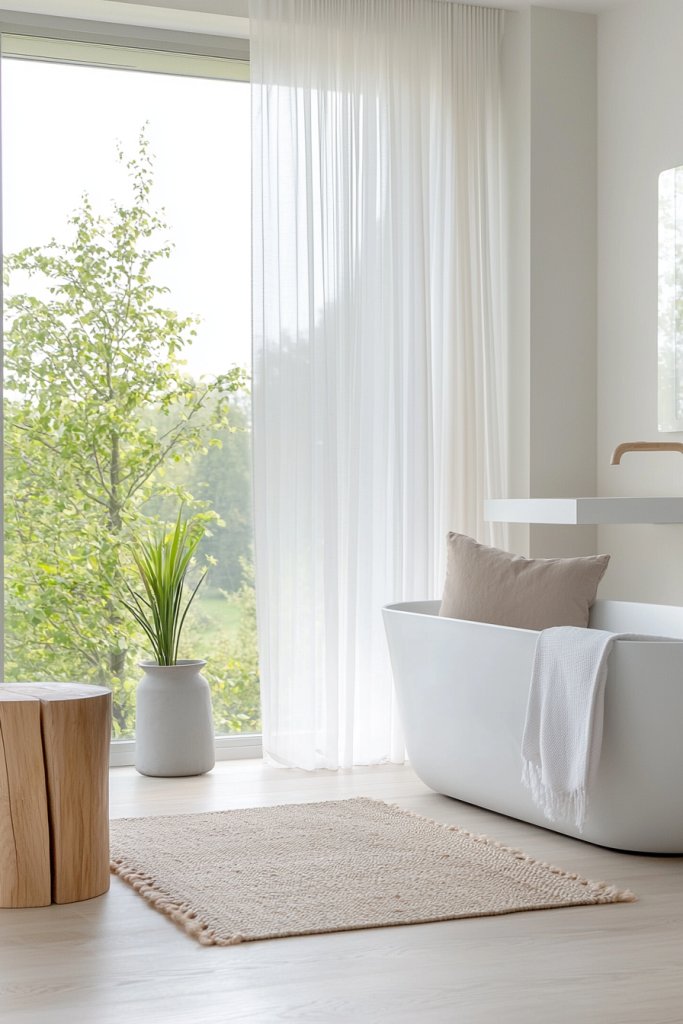
Crisp whites, soft warm grays, and pale pastels on walls and ceilings create a serene backdrop that amplifies every ray of natural light. These shades reflect sunlight back into the room, making even modest spaces feel significantly larger and more open.
Paint both walls and ceilings in the same light tone to eliminate visual boundaries and encourage the eye to travel upward. This single technique gives any Scandinavian living room an instantly taller, more spacious appearance.
3. Mirrors Reflect and Amplify Light
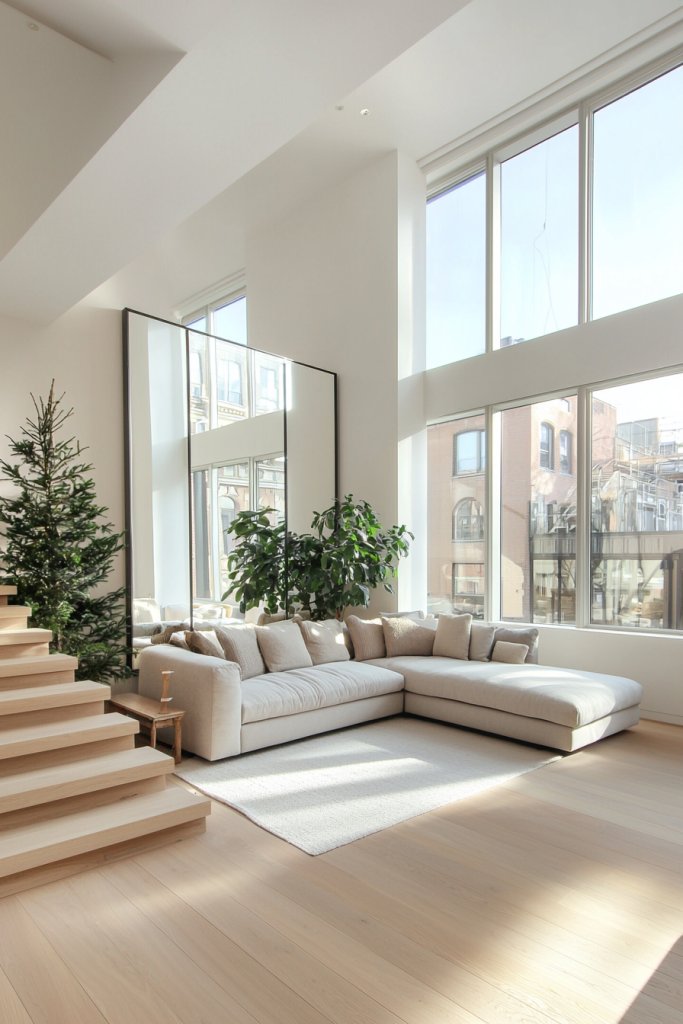
A well-placed mirror acts as a second window, bouncing natural light across walls and into darker corners of the room. Large round or rectangular mirrors with simple wooden frames suit the Scandinavian aesthetic particularly well.
Position a large mirror directly opposite your main window to double the daylight entering the space. Group smaller mirrors together on one wall to create a decorative arrangement that still performs the same light-reflecting function.
4. Minimalist Furniture Keeps Rooms Open
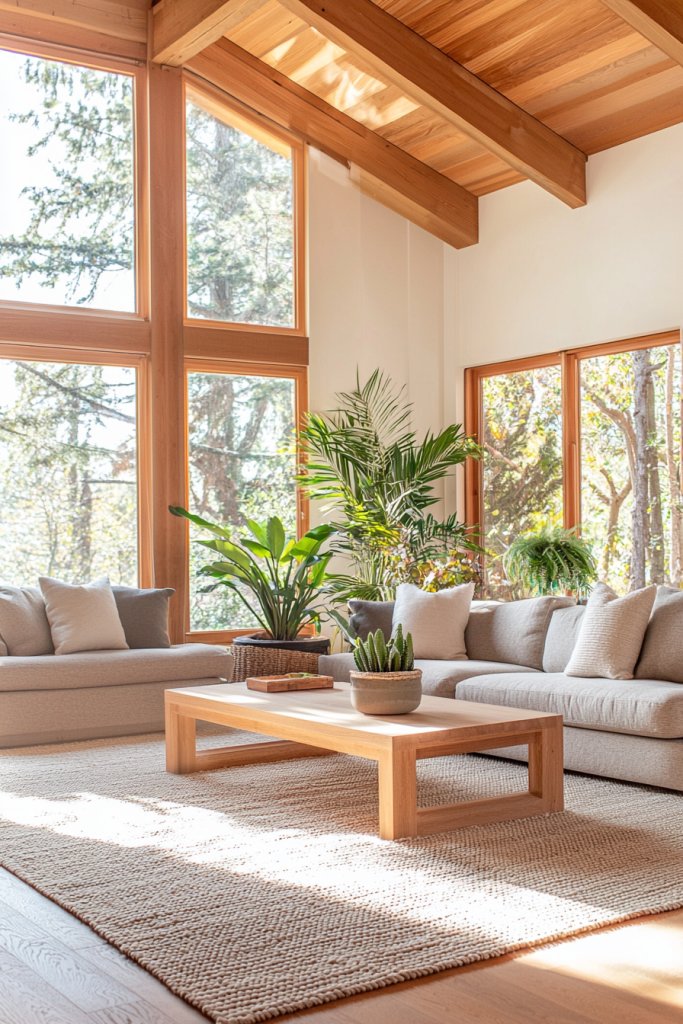
Minimalist furniture with clean lines and low profiles keeps the visual field uncluttered, allowing light to travel freely across the entire room. Simple silhouettes in pale wood or neutral upholstery reinforce the calm, unassuming character of Scandinavian style.
Choose sofas and chairs raised on slim legs rather than pieces with solid bases, since this creates visible floor space that makes the room feel more open. Limit the number of furniture pieces to only what the room genuinely needs for daily comfort and function.
5. Window Reading Nook Cozy Corner
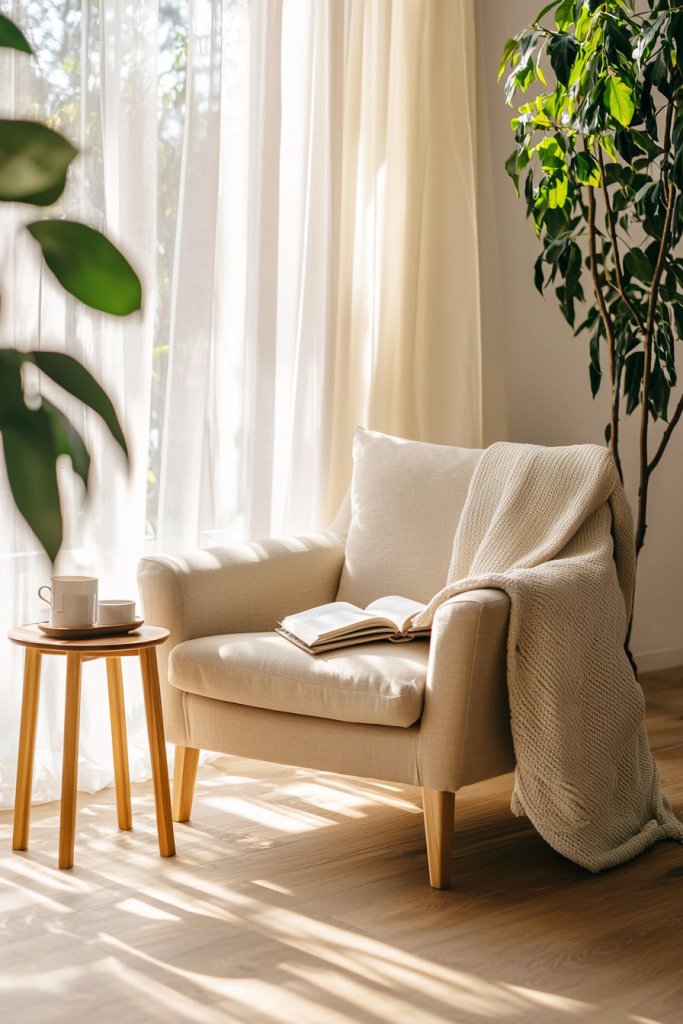
A reading nook positioned beside a large window captures the best natural light in the room while creating a defined, intimate space within the open-plan layout. Built-in bench seating with light cushions and a small side table completes this functional corner beautifully.
Add a slim floor lamp beside the nook to extend its usability into the evening hours without disrupting the rest of the room. Keep the styling simple with one knitted throw and a small stack of books to maintain that signature Scandinavian restraint.
6. Skylights Flood Rooms With Light
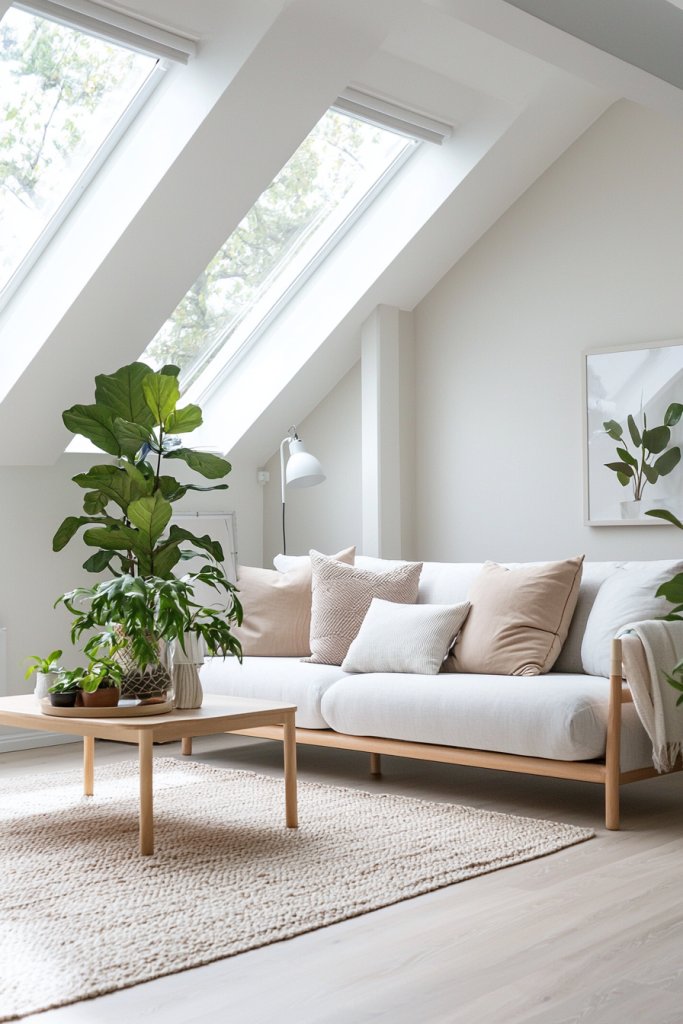
Skylights introduce overhead natural light that changes the entire atmosphere of a Scandinavian living room throughout the day. The light they deliver falls differently from window light, casting soft, even illumination across floors and furniture below.
Install a skylight above a seating area or coffee table to create a naturally lit focal zone at the heart of the room. Pair skylights with pale flooring so the incoming light reflects upward and spreads further across the surrounding surfaces.
7. Open Shelving Creates Spacious Interiors
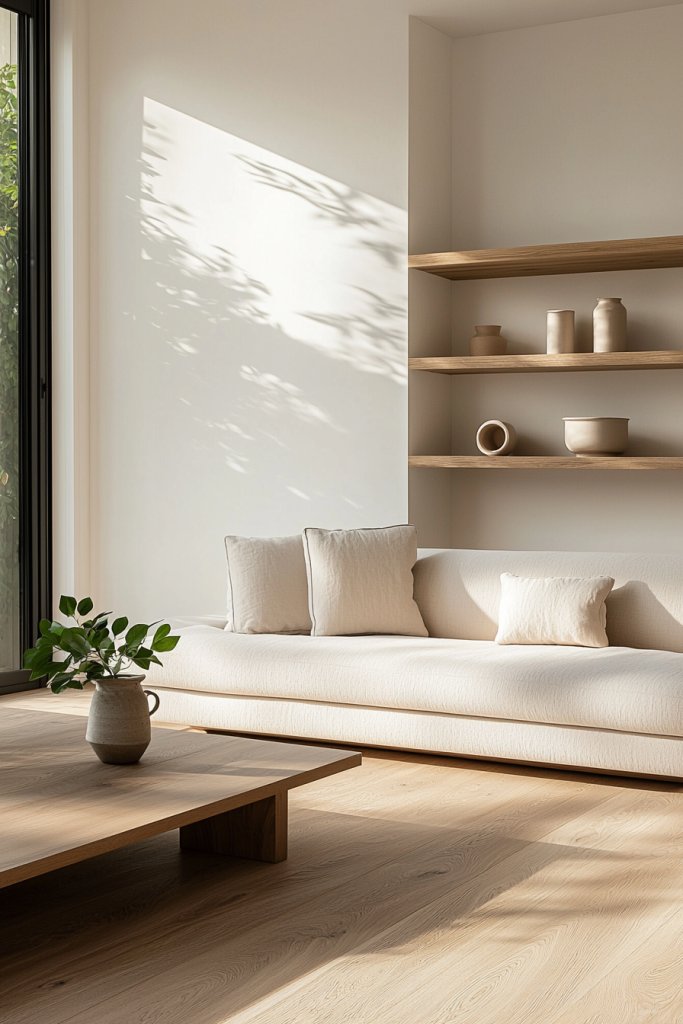
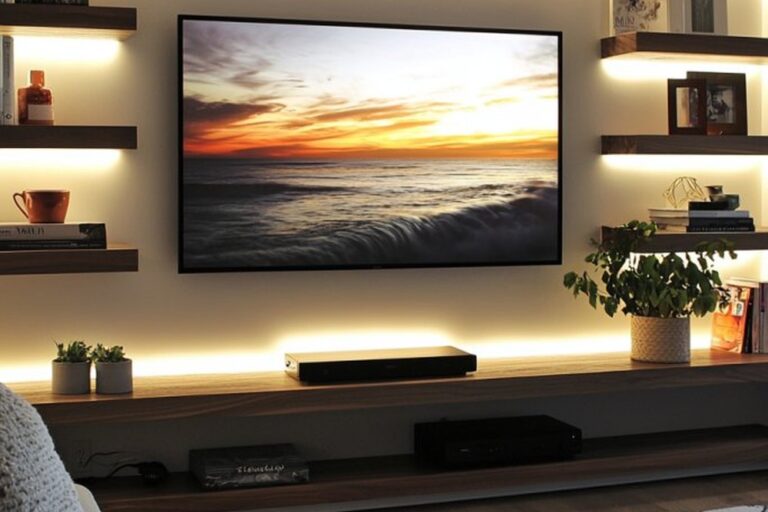
Open shelving along living room walls removes the visual weight of closed cabinetry and keeps the space feeling light and breathable. Pale timber shelves styled with a small number of curated objects suit the Scandinavian approach to organized, intentional display.
Leave generous empty space between objects on each shelf to avoid a cluttered appearance that would undermine the airy quality of the room. Use the shelves to display items in a limited palette of whites, naturals, and muted greens for a cohesive look.
8. Light Wood Flooring Brightens Spaces
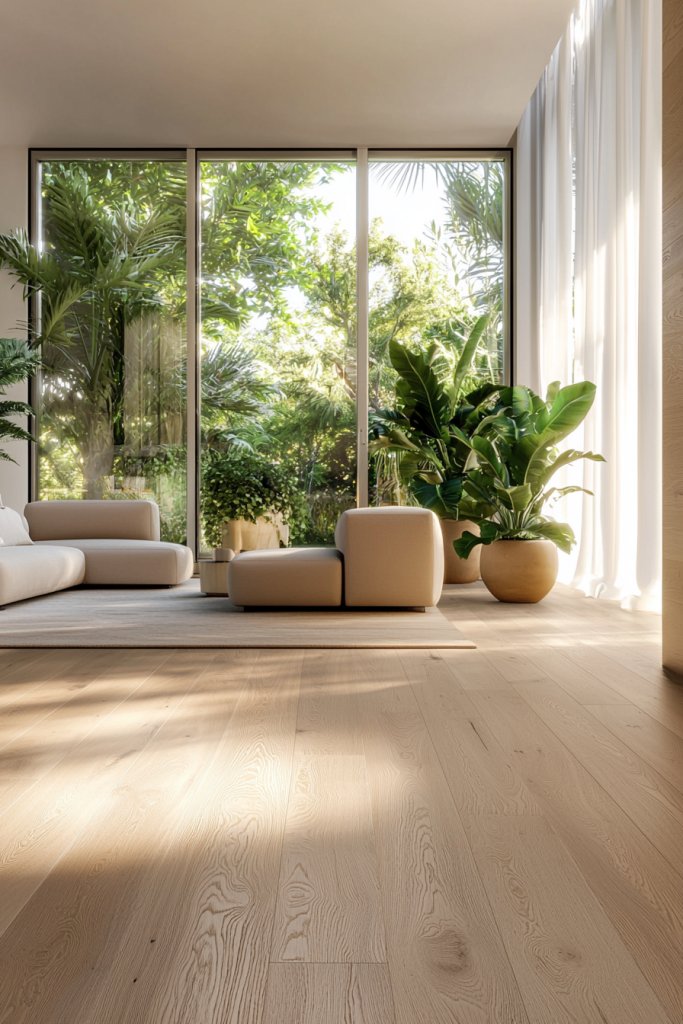
Light-toned wood flooring in ash, pine, or whitened oak reflects natural light upward and gives the entire room a warm, clean foundation. The pale grain adds natural texture without introducing heavy color that would darken the overall palette.
Choose wide planks over narrow strips to reduce visual busyness and make the floor surface feel calmer and more expansive. Finish the wood with a matte or satin sealer rather than a high-gloss coat to keep the look grounded and authentically Scandinavian.
9. Floor Lamps Add Soft Ambient Light
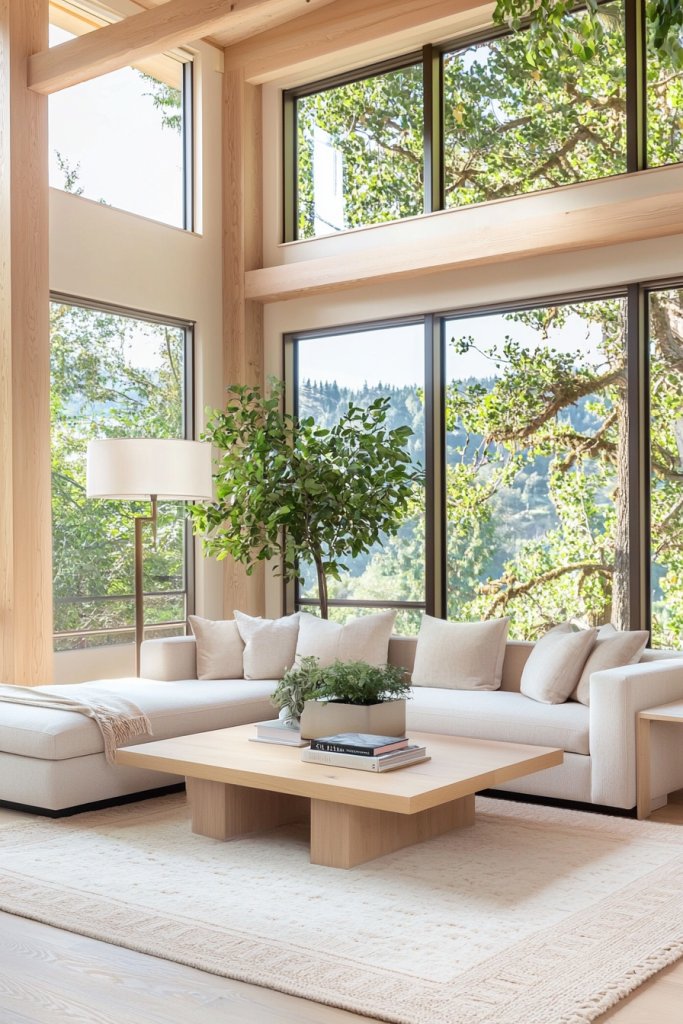
Slim floor lamps with fabric or frosted glass shades introduce warm, diffused light that softens the atmosphere in a Scandinavian living room after dark. Their vertical form adds height to a composition without occupying significant floor space.
Place a floor lamp beside an armchair or reading nook to create a warm pool of light that defines the seating area as a distinct zone. Choose a lamp in natural materials like wood, rattan, or brushed brass to keep it consistent with the organic Scandinavian palette.
10. Pendant Lighting Creates Room Focal Points
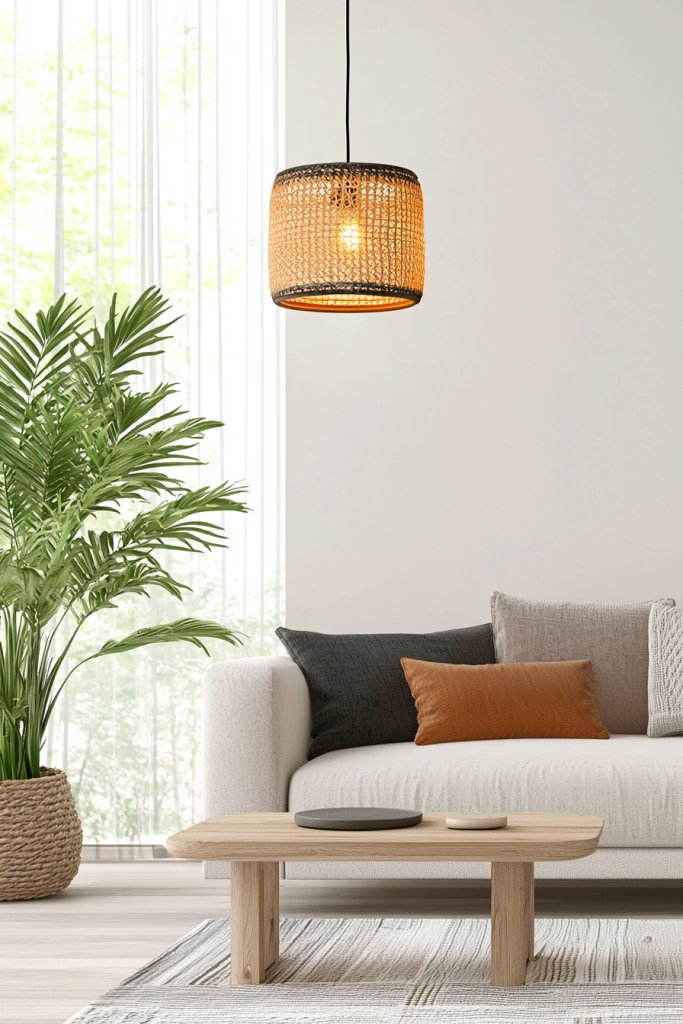
Pendant lights hung above a coffee table or seating group draw the eye downward and establish a clear focal point within the open Scandinavian living room layout. Simple geometric forms in white, glass, or natural materials reinforce the design’s clean character.
Hang pendants at a lower height than standard to create intimacy and warmth directly above the main gathering area. Group two or three pendants together at varying heights for a layered, modern arrangement that adds visual interest without complexity.
11. Multilevel Lighting Scheme Layered Design
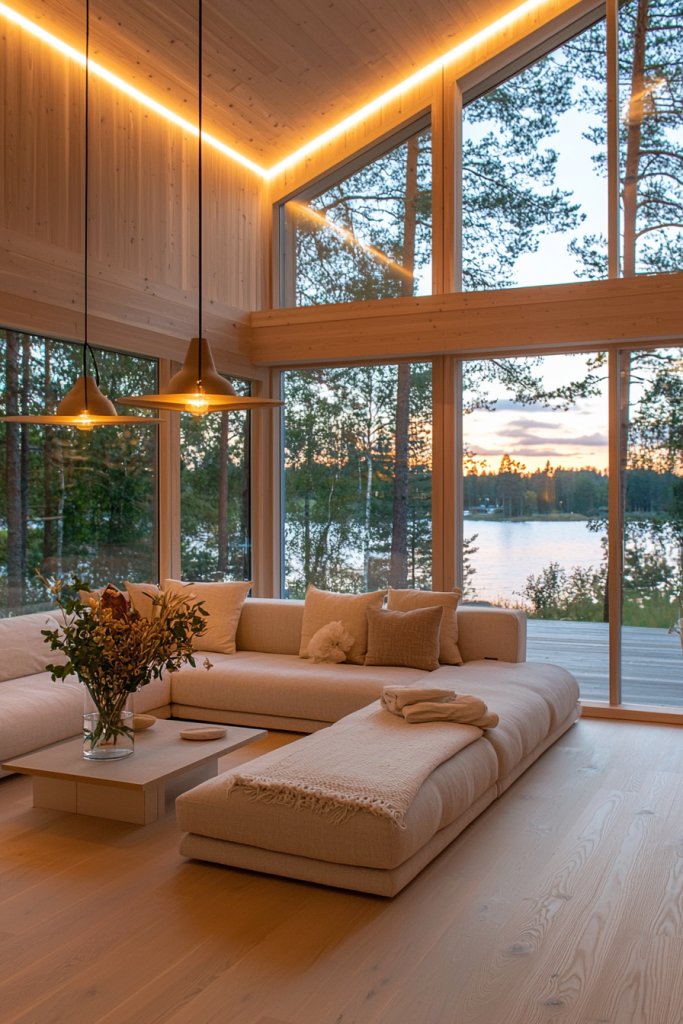
A multilevel lighting scheme combines overhead fixtures, floor lamps, and table lamps to give a Scandinavian living room depth and flexibility at any hour. Each layer serves a different purpose, from broad ambient illumination to focused task lighting near seating.
Install dimmer switches on all overhead fixtures so you can shift the mood of the room instantly without changing any fittings. Activate different lighting layers at different times of day to keep the space feeling dynamic and responsive to how the room is being used.
12. Scandinavian Gallery Wall Art Display
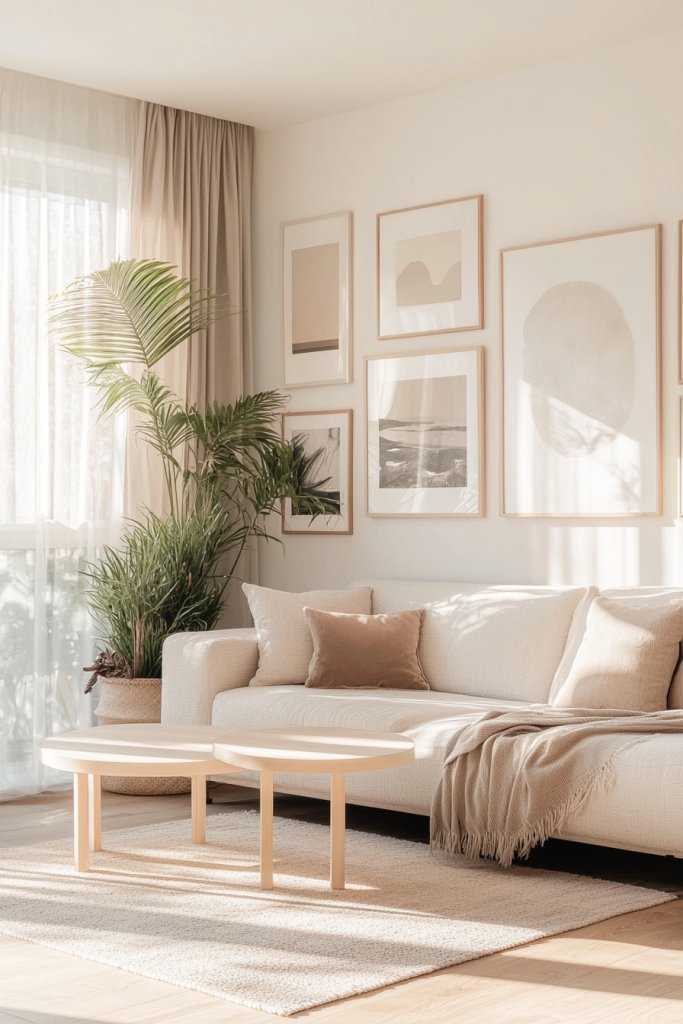
A Scandinavian gallery wall uses simple black frames, botanical prints, and abstract line art to add personality without overwhelming the light palette of the room. Spacing frames further apart than usual keeps the arrangement breathing and true to the minimalist style.
Stick to a palette of black, white, and one accent color across all prints to maintain cohesion and prevent the wall from becoming too visually busy. Arrange the frames on the floor first to finalize the layout before committing a single nail to the wall.
13. Neutral Area Rugs Enhance Room Brightness
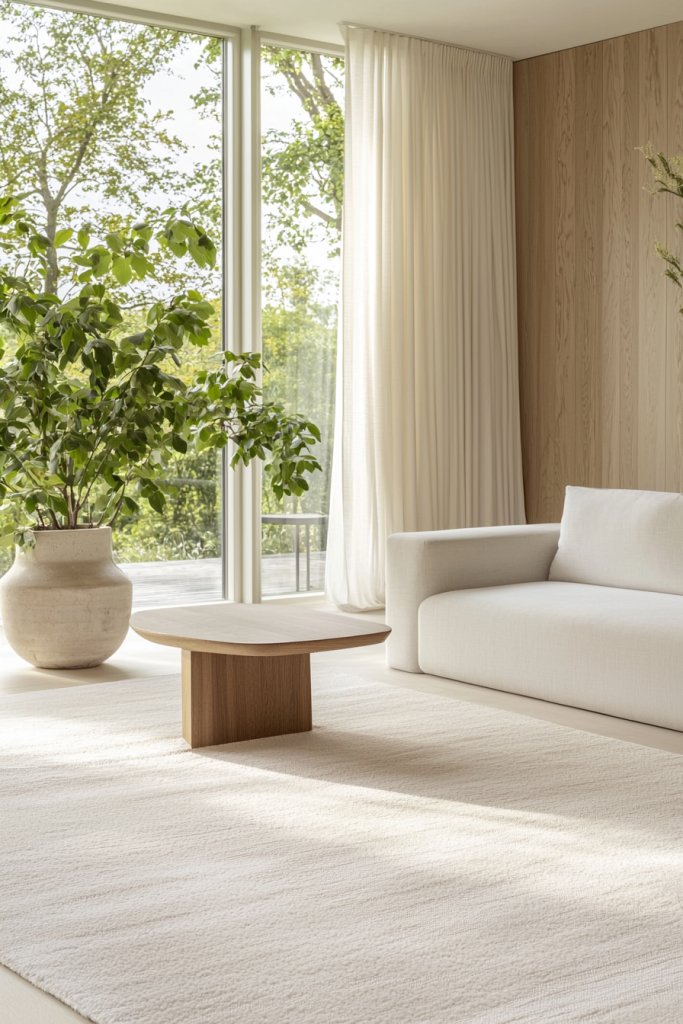
A neutral area rug in ivory, oatmeal, or soft gray anchors the seating area while keeping the floor zone light and visually consistent with the room’s pale palette. Natural fibers like wool or jute add tactile warmth without introducing heavy color.
Choose a rug large enough to sit under the front legs of all main seating pieces so the furniture reads as a unified, grounded group. Avoid dark or heavily patterned rugs, since these absorb light and work against the bright, open atmosphere Scandinavian rooms require.
14. Multi-Functional Furniture Saves Space
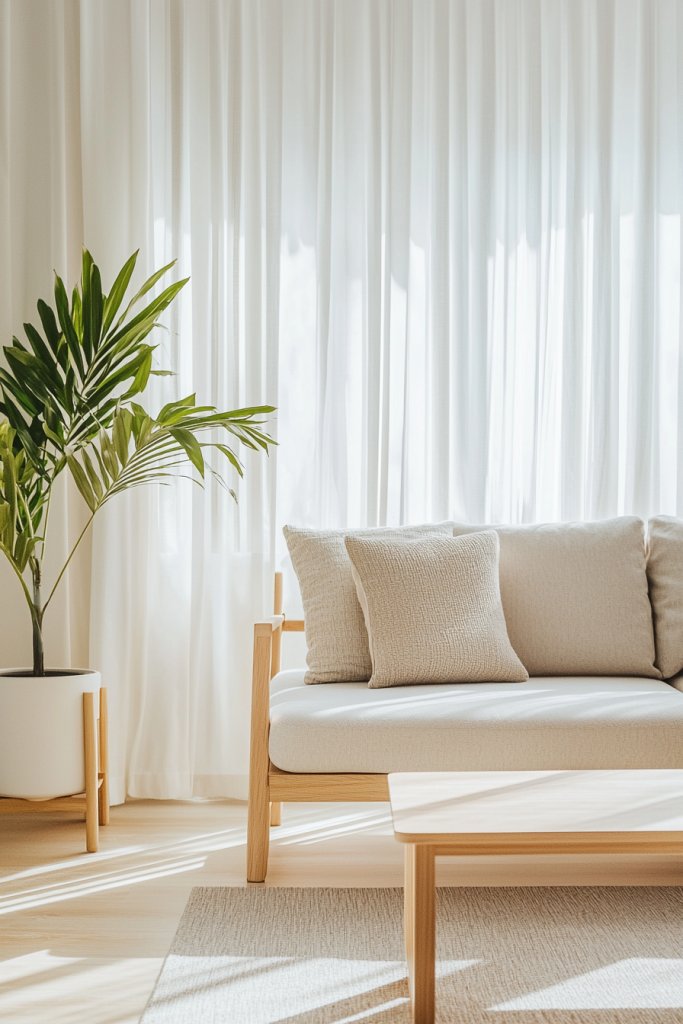
Multi-functional furniture keeps a Scandinavian living room efficient and uncluttered by reducing the number of individual pieces the space needs to hold. Storage ottomans, sofa beds, and nesting tables all serve multiple purposes without adding visual noise.
Select pieces in light wood or pale upholstery so each item blends seamlessly into the room’s neutral foundation rather than standing out as a separate object. Prioritize furniture that offers hidden storage, since keeping surfaces clear directly supports the light, airy quality of the design.
15. Minimal Clutter Keeps Rooms Light
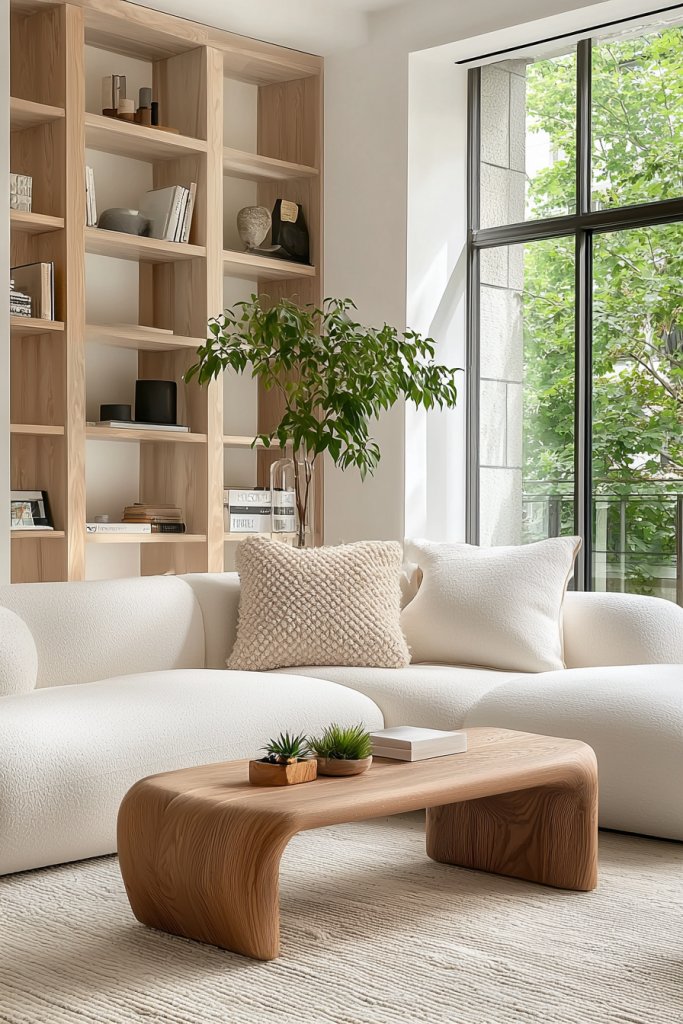
Keeping clutter to a minimum in a Scandinavian living room allows light to move across surfaces without interruption, making the entire space feel cleaner and larger. Every object on display should earn its place through beauty, meaning, or daily function.
Adopt a regular editing habit where you remove items that have stopped serving a purpose and return surfaces to a calm, uncluttered state. Invest in smart storage solutions behind closed doors so the objects you use daily stay accessible but invisible when not needed.
16. Light Upholstery Colors Brighten Furniture
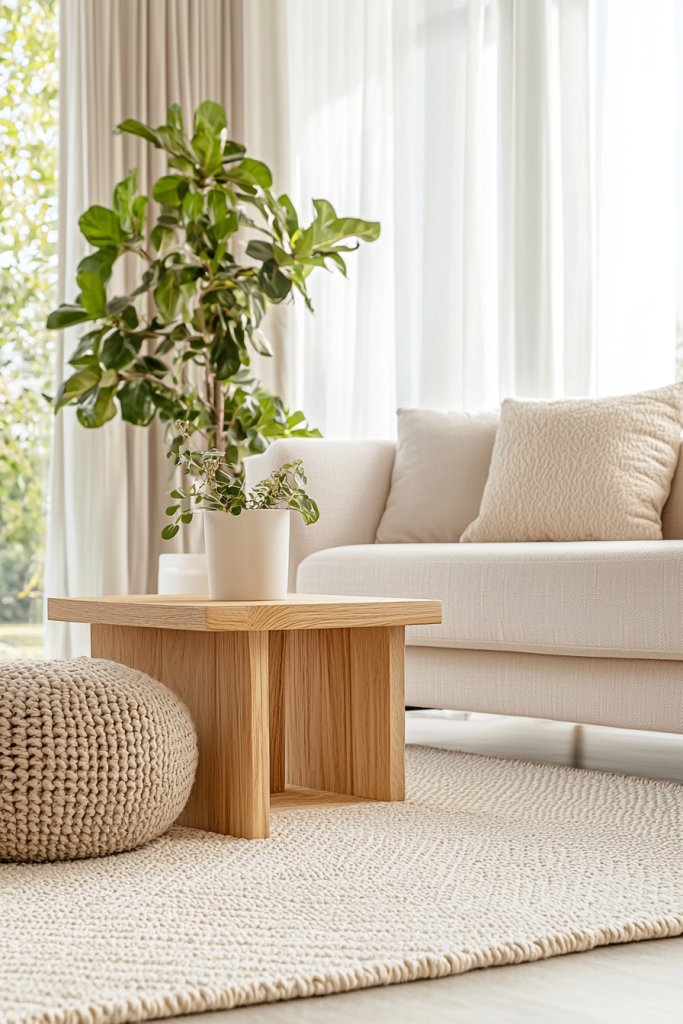
Light upholstery in cream, warm white, or soft gray keeps sofas and armchairs visually light so they recede into the room’s pale backdrop rather than dominating it. Textural fabrics like boucle, linen, and cotton add depth while maintaining the neutral tone.
Use washable slipcovers or performance fabrics in light tones so the practical concern of keeping pale upholstery clean does not discourage the choice. Layer textured cushions and throws in complementary neutral shades to add warmth and dimension to the seating area.
17. Unique Light Fixture Design Statements
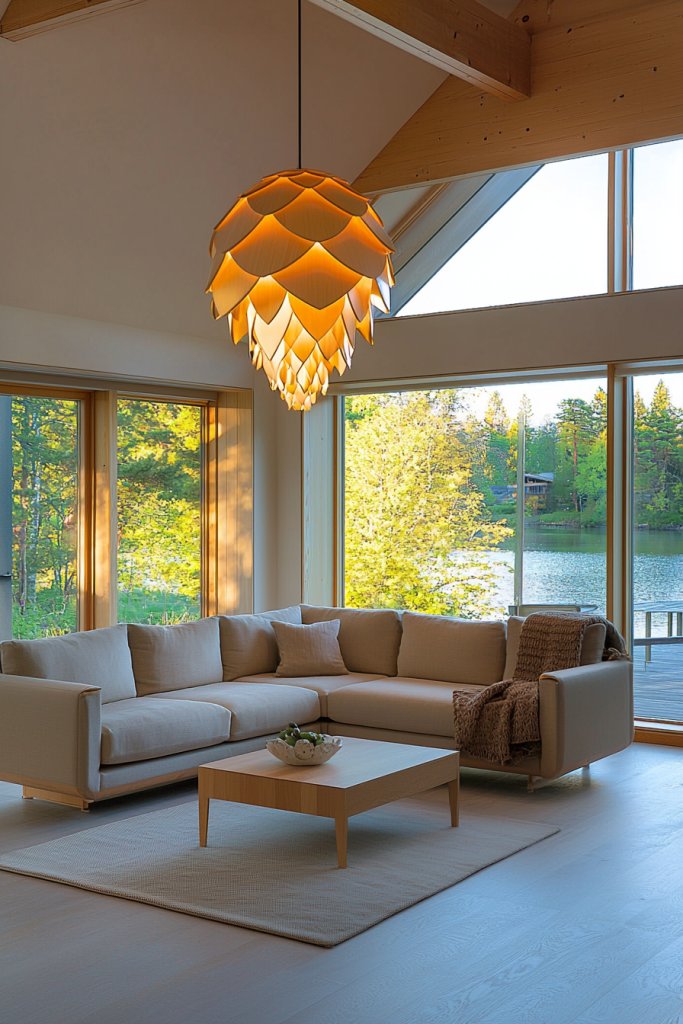
Lighting fixtures with distinctive shapes, such as sculptural pendants or woven rattan shades, function as decorative objects that add personality to a minimal Scandinavian interior. Their form becomes visible even during daylight hours, contributing to the room’s overall composition.
Choose one statement fixture per room zone and keep all supporting lighting simple so the standout piece commands appropriate attention. Select designs that use natural materials or geometric forms to stay aligned with the clean, nature-inspired Scandinavian design language.
18. Decorative Trays Organize Surface Styling
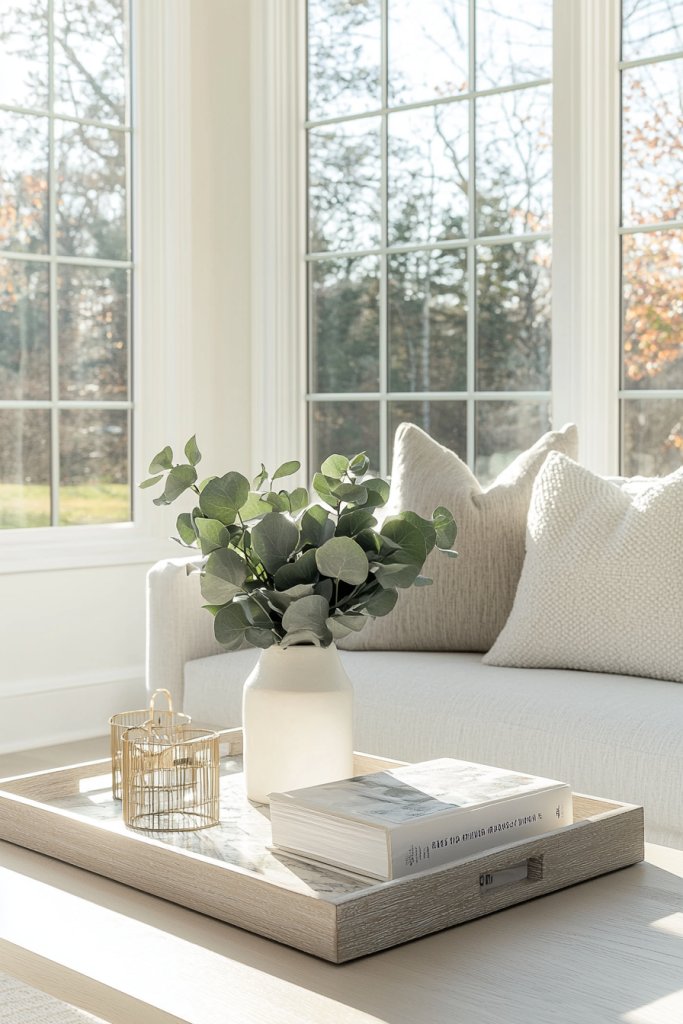
Decorative trays on coffee tables and sideboards group small objects together so surfaces look intentionally styled rather than casually cluttered. A pale wooden or white ceramic tray corrals candles, small plants, and books into a tidy, composed vignette.
Limit each tray to three or four objects maximum and leave the surrounding surface completely clear to reinforce the principle of deliberate, minimal styling. Choose trays in natural materials that match the room’s existing palette so they blend in rather than competing for attention.
19. Welcoming Entrance Area Scandinavian Styling
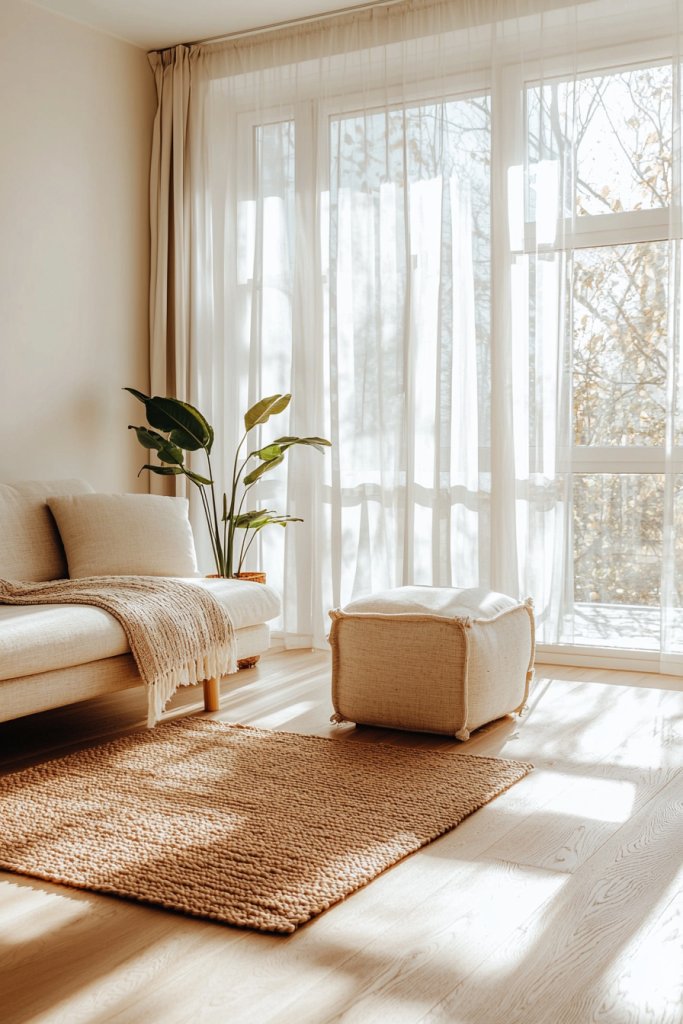
A thoughtfully styled entrance area sets the tone for the entire Scandinavian living room by greeting visitors with calm, ordered simplicity from the first step inside. A pale console table, a simple mirror, and one small plant create an arrival moment that feels considered and warm.
Keep floor space in the entrance completely clear and use wall-mounted hooks rather than a freestanding coat rack to preserve the open, uncluttered feeling. Add one small lamp on the console to ensure the entrance feels warm and welcoming even after dark.
20. Natural Material Light Fixtures Add Warmth
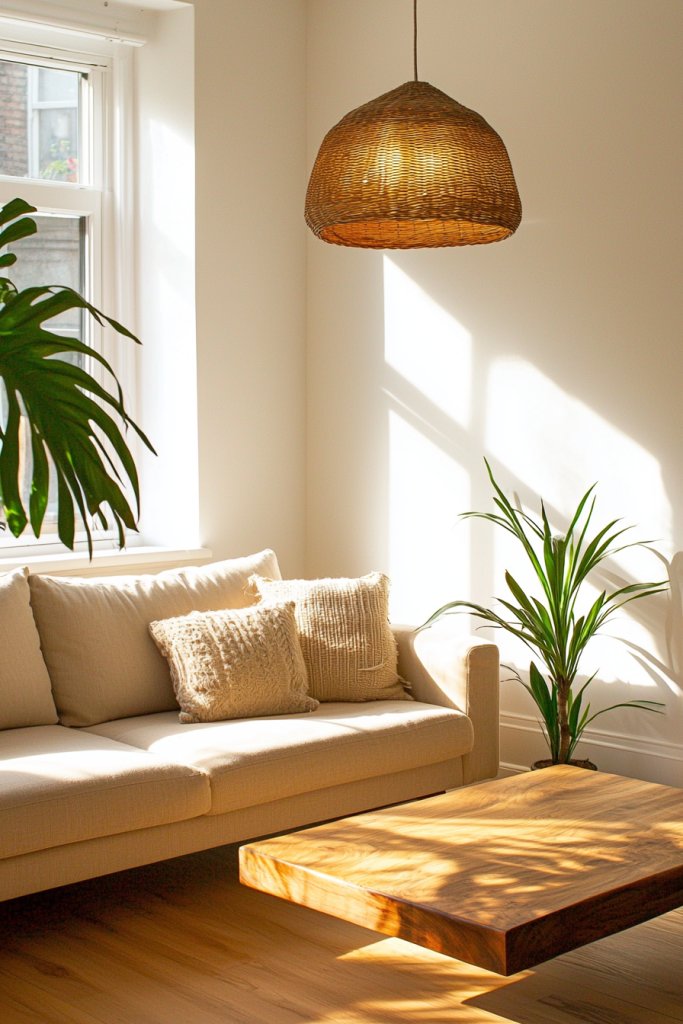
Light fixtures crafted from rattan, wood, stone, or linen bring the organic warmth of natural materials directly into the lighting layer of a Scandinavian living room. These textures glow beautifully when lit from within, casting patterned light across nearby walls and ceilings.
Pair a natural material pendant or table lamp with pale walls so the fixture’s texture reads clearly against the neutral background. Mix two different natural materials in the room’s lighting, such as wood and woven rattan, to add variety while staying within the organic design framework.
21. Artwork Enhances Natural Light Effects
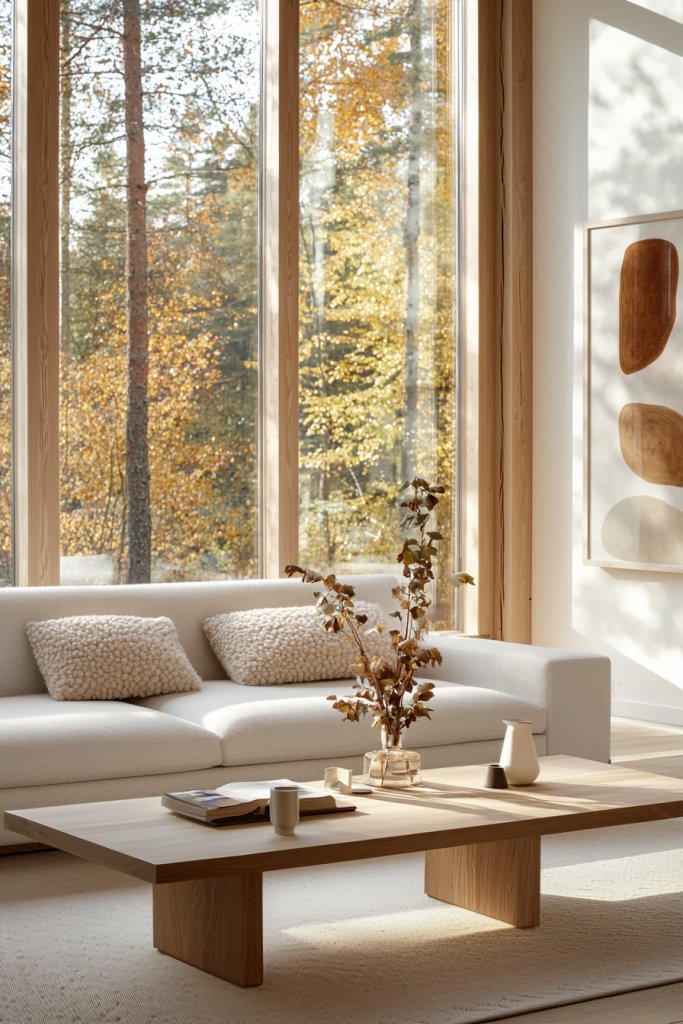
Artwork in pale tones or with reflective surfaces actively participates in the room’s relationship with natural light by catching and redirecting it across the wall. Abstract prints, watercolor landscapes, and metallic photography prints all interact with daylight in ways that add life to the interior.
Hang artwork on the wall that receives the most natural light so the colors and textures within each piece stay vivid and visible throughout the day. Choose frames with slim profiles in white or natural wood to keep the presentation clean and consistent with Scandinavian wall styling.
22. Balancing Light and Dark Decor Elements
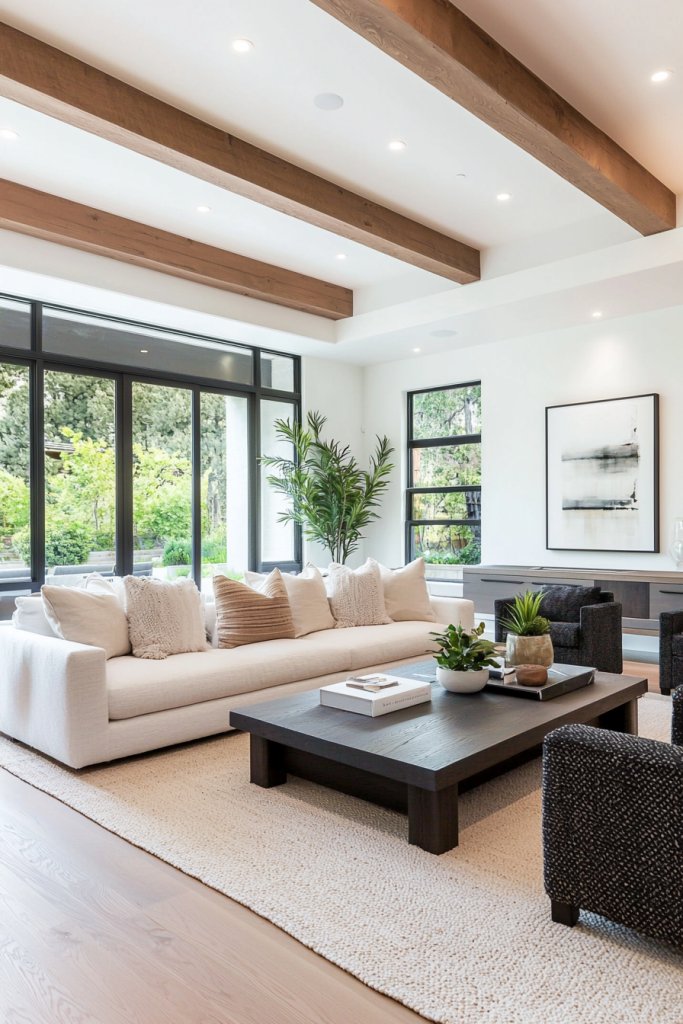
Balancing light and dark elements prevents a Scandinavian living room from feeling flat or clinical by introducing just enough contrast to give the space visual depth and definition. Dark accent cushions, a charcoal throw, or a black-framed mirror all anchor a pale room without overpowering it.
Follow a rough ratio of eighty percent light tones to twenty percent darker accents so the room retains its bright, airy quality while gaining character and warmth. Introduce dark elements in small, repeating touches across the room so the contrast feels intentional rather than accidental.
Start with one change, whether that means painting your walls a lighter shade or repositioning a mirror to catch more morning sun. Small, deliberate steps will steadily build the luminous, calm Scandinavian living room you want to create.